
-
The National Flood Insurance Program, estimated to cover over 4 million homeowners, is set to lapse next Friday along with the federal budget.
 March 6
-
The jump, which represents an ICE Mortgage Technology survey high, reflects the past cost of natural disasters like hurricanes in the Southeast.
 March 3
-
California leads the nation with over 1.5 million at-risk properties, but many threatened homes sit east including $68 billion worth of Florida real estate.
February 28
-
The rapid rise in the cost of both insurance coverage and taxes leaves close to half of homeowners worried about their ability to make payments.
 February 27
-
Between the estimated damages in Los Angeles and rising home insurance prices, policyholders are left wondering how the market will fare in 2025.
 February 25
-
As homeowners insurance becomes expensive and hard to find, mortgage loan officers should work closely with insurance agents, said Travis Hodges of Viu by Hub.
 February 21
-
Ice storms, straight-line winds and tornadoes occur more frequently than hurricanes and earthquakes and those insurance claims can stack substantially.
February 20
-
Southeast homeowners affected by the storms last fall submitted a combined over 78,500 flood insurance claims to the National Flood Insurance Program.
February 13 -
Federal Reserve Chair Jerome Powell said insurance companies and banks are already pulling out of disaster-prone areas, which could pose problems.
 February 12
-
The FEMA-operated program has over 4.7 million policies in force, and lawmakers have kept it intact via dozens of short-term extensions since 2017.
January 28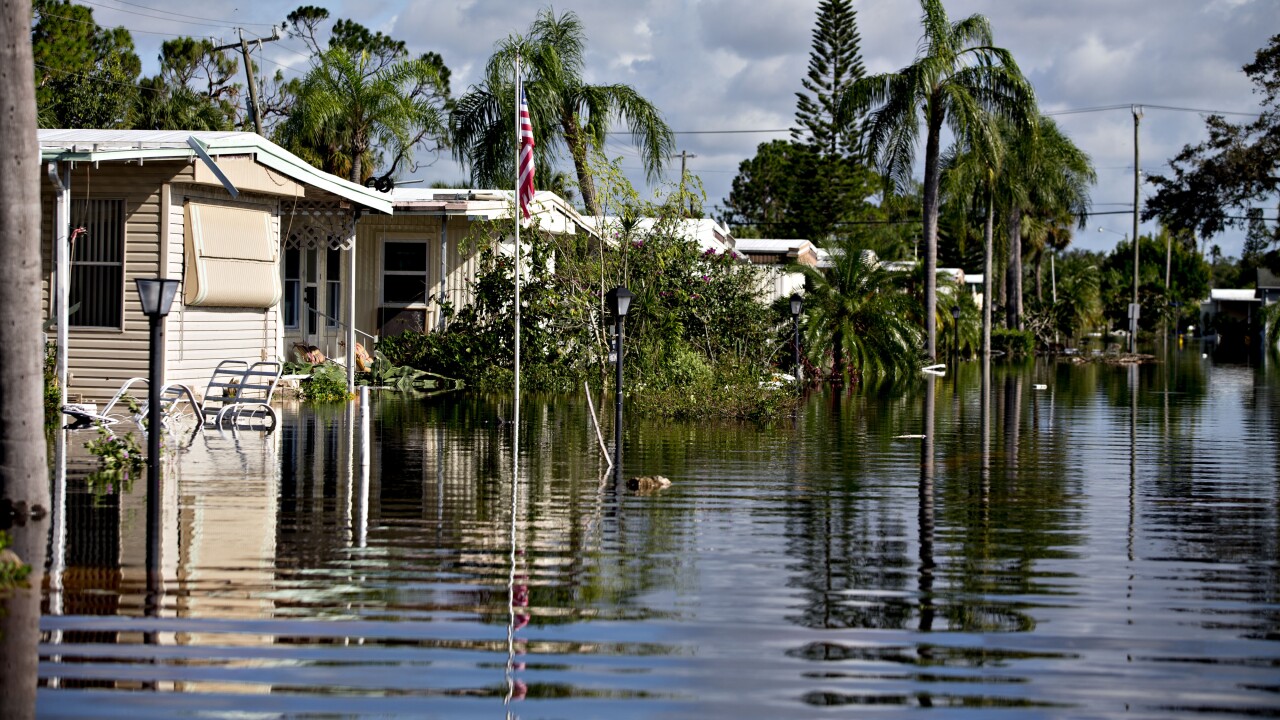
-
The nation's largest homeowners insurance providers imposed rate hikes in double-digit percentages last year, led by Farmers' 53.5% increase in Maryland.
January 27
-
The insurance market going into the Jan. 7 catastrophe already had been hit with non-renewals and cancellations -- and an overburdened state-supported insurance plan. A Morningstar analyst said the state insurance commissioner's reform strategy could have turned it around but now faces new obstacles.
 January 16
-
Californians have paid relatively less for coverage than homeowners in the storm-stricken Midwest and Southeast regions, according to Intercontinental Exchange.
January 14
-
Verisk and Moody's are the first two modeling companies to submit their models to the California Department of Insurance. A Verisk executive explained the functioning of their model and what insurers' options are.
January 10
-
A trio of blazes in SoCal have destroyed over 2,000 homes and structures in neighborhoods with average property values well above the national average.
January 9
-
Fifteen percent of residences had three or more structures, which can go undetected by insurers even when they identify a secondary structure.
December 23
-
The average surplus premium to protect property this year was roughly $46,000 in the wealthy enclave and the situation is only likely to worsen as climate change ups the odds of destructive wildfires.
December 12
-
Losses related to natural disasters and other perils rose for the seventh year, and that costs both insurers and consumers more money, LexisNexis said.
October 18
-
As this year's natural disasters bring heightened attention to the cost and availability of homeowners insurance, servicers often find themselves caught in the middle when customers see premium hikes.
October 11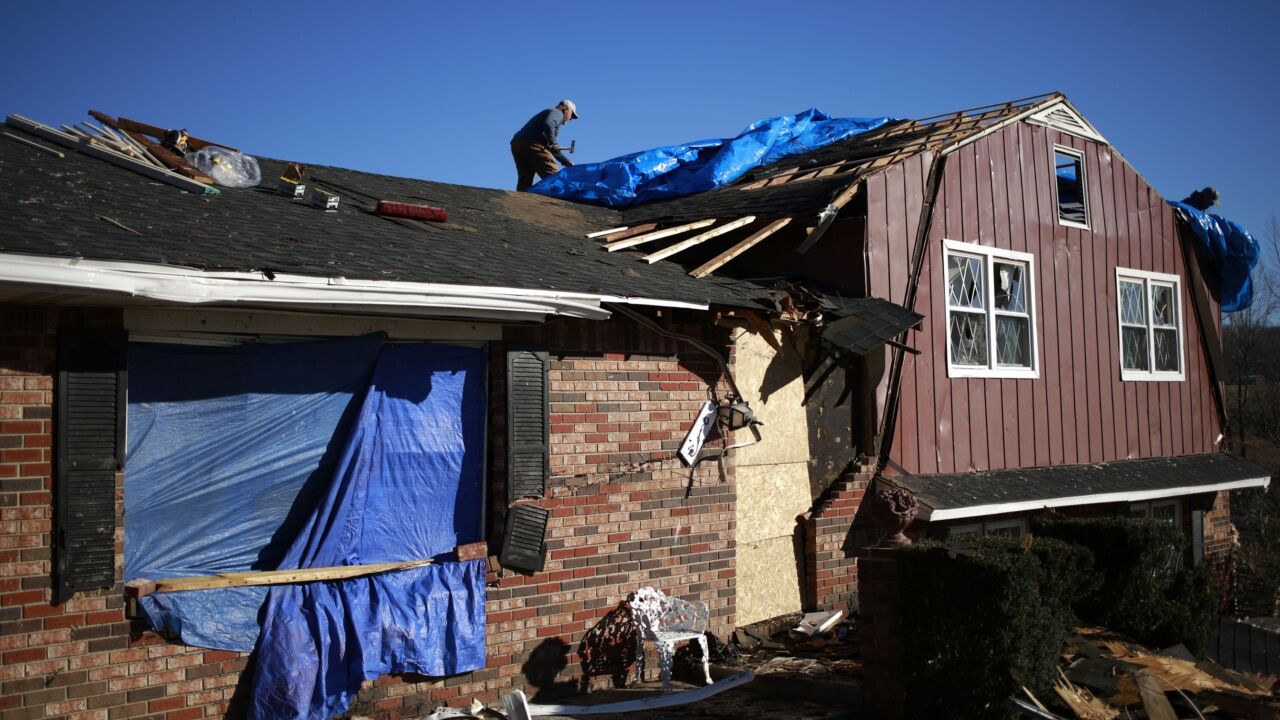
-
Over 4 million residents in the region, both coastal and inland, face dangers similar to residents in Hurricane-weary Florida, Louisiana and Texas.
October 4


