
Federal Reserve
Federal Reserve
-

Strong economic growth coupled with a solid labor market allows officials to wait for further evidence of cooling inflation before adjusting rates again. It also offers them time to evaluate President Donald Trump's policies.
January 29 -

Mortgage experts were expecting the first FOMC meeting under President Trump would have more significance in the long run than short-term, with some wild cards.
January 29 -

With the Federal Reserve touting a slower pace of easing, markets are expecting a longer pause. But Gov. Christopher Waller said the next interest rate reduction could come as soon as March because of inflation data.
January 16 -

These regulatory announcements in the banking industry are currently open to public comment.
January 13 -

Seen by many as a logical pick for the Federal Reserve's next vice chair for supervision, Gov. Michelle Bowman wants the institution to focus on safety and soundness issues, tailoring and transparency.
January 9 -

Analysts are unsure what the Federal Open Market Committee will do with monetary policy in 2025. The panel projects two rate cuts, but some analysts expect more, and others see fewer.
December 26 -
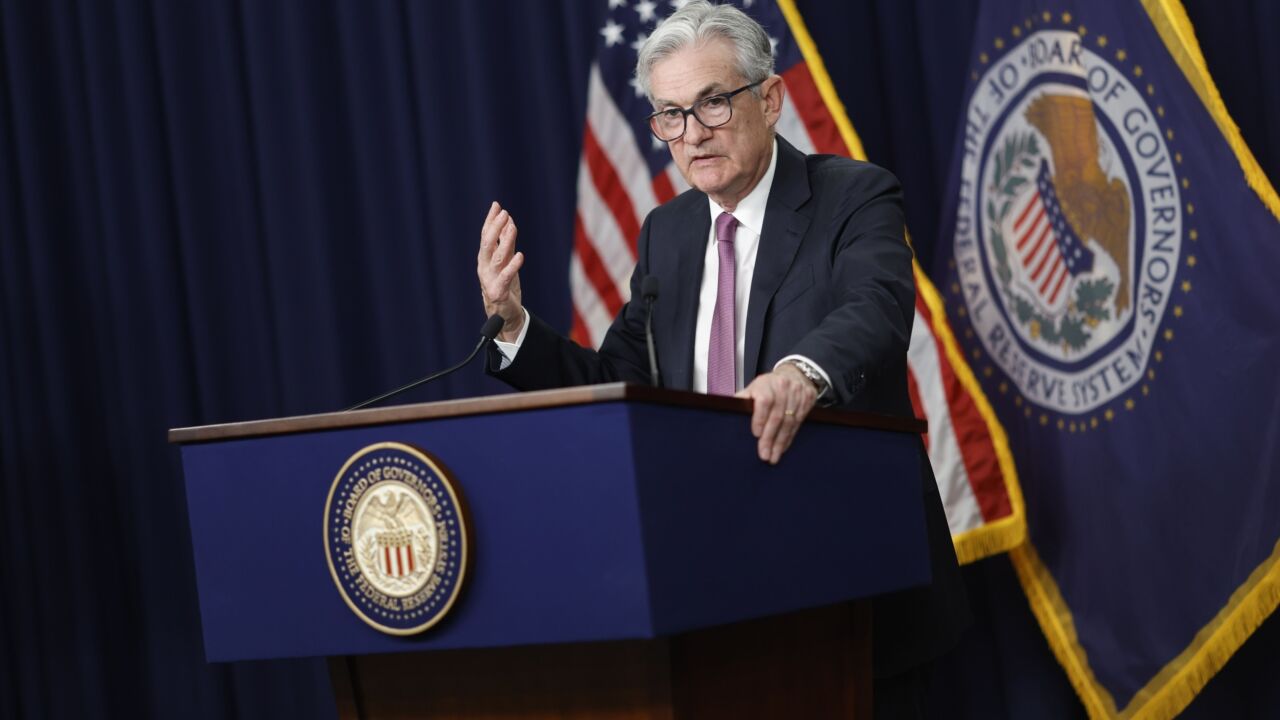
The Federal Reserve is poised to make several key decisions during the year ahead that will impact monetary policy both in the near term and for years to come.
December 25 -

The Bank Policy Institute, the American Bankers Association and others said proposed changes would address "some if not all" of banks' concerns about stress tests, but they are filing the lawsuit to preserve their legal right to do so.
December 24 -

The Federal Reserve will seek comment on the current stress-testing regime with an eye toward increasing transparency and reducing volatility. Modifications would not go into effect until at least 2026.
December 23 -

Proposals to streamline U.S. banking regulators have resurfaced with the Trump administration's focus on efficiency, but experts and history suggest such changes are unlikely amid political and industry resistance.
December 18 -

A week ahead of inauguration day, Scott Colbert, executive vice president, director of fixed income and chief economist at Commerce Trust, takes a look at how the Federal Reserve and the economy will fare in President-elect Donald Trump's second run in the White House.
-

Annualized inflation increased to 2.7% in November from 2.6% the previous month, providing further evidence that the economy remains strong despite restrictive monetary policy.
December 11 -

Economic forecasts include the possibility of higher inflation and slower growth that could stall future cuts to the federal fund rates.
December 5 -
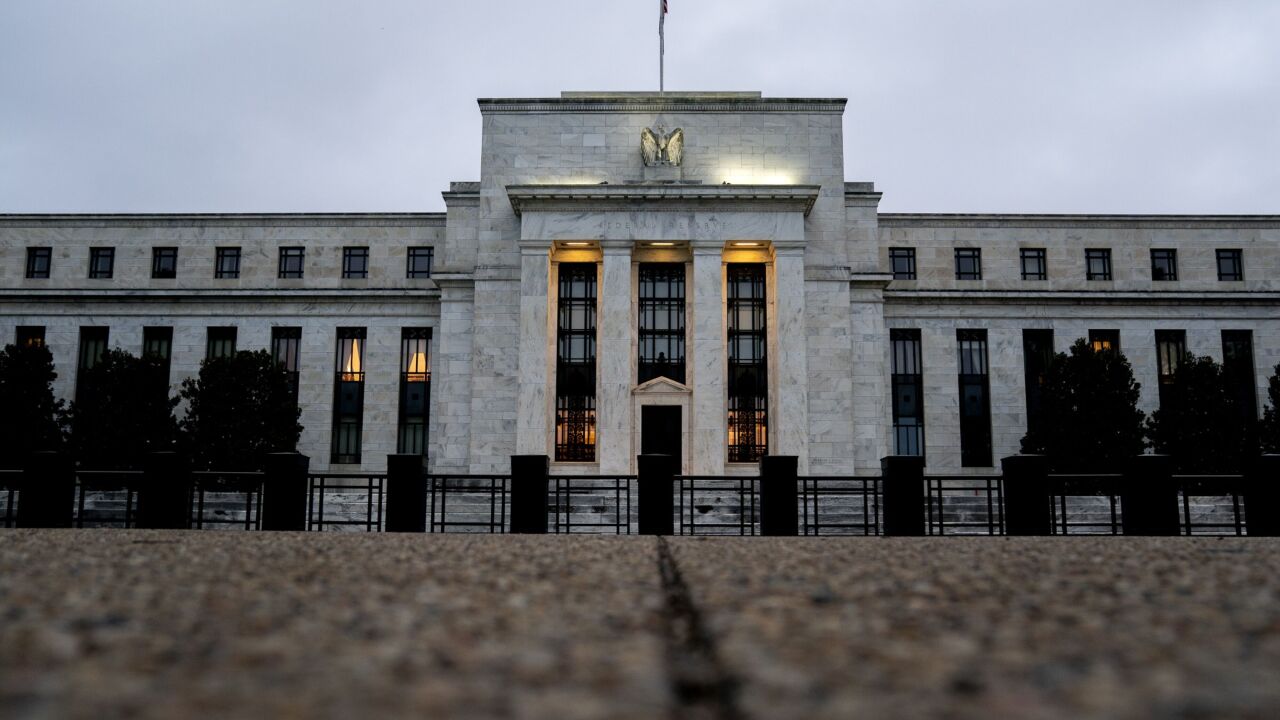
Federal Reserve Gov. Christopher Waller said the central bank's last framework review was too focused on the post-global financial crisis period and difficult to explain.
December 2 -
Yields on the U.S. five-year note added as much as six basis points to 4.10% after tumbling a quarter-percentage-point last week.
December 2 -

In its latest financial stability report, the Federal Reserve warned high equity valuations and low levels of liquidity could leave the financial system vulnerable to shocks.
November 22 -
The Federal Reserve governor said the Supreme Court ruling could bring needed transparency and efficiency to regulatory policymaking.
November 20 -

Donald Trump discussed various items related to the Fed and its independence and stated he would not nominate Jerome Powell for another term as chair. Gennadiy Goldberg, head of U.S. rates strategy at TD Securities, discusses what a Trump presidency may mean for the Fed.
-
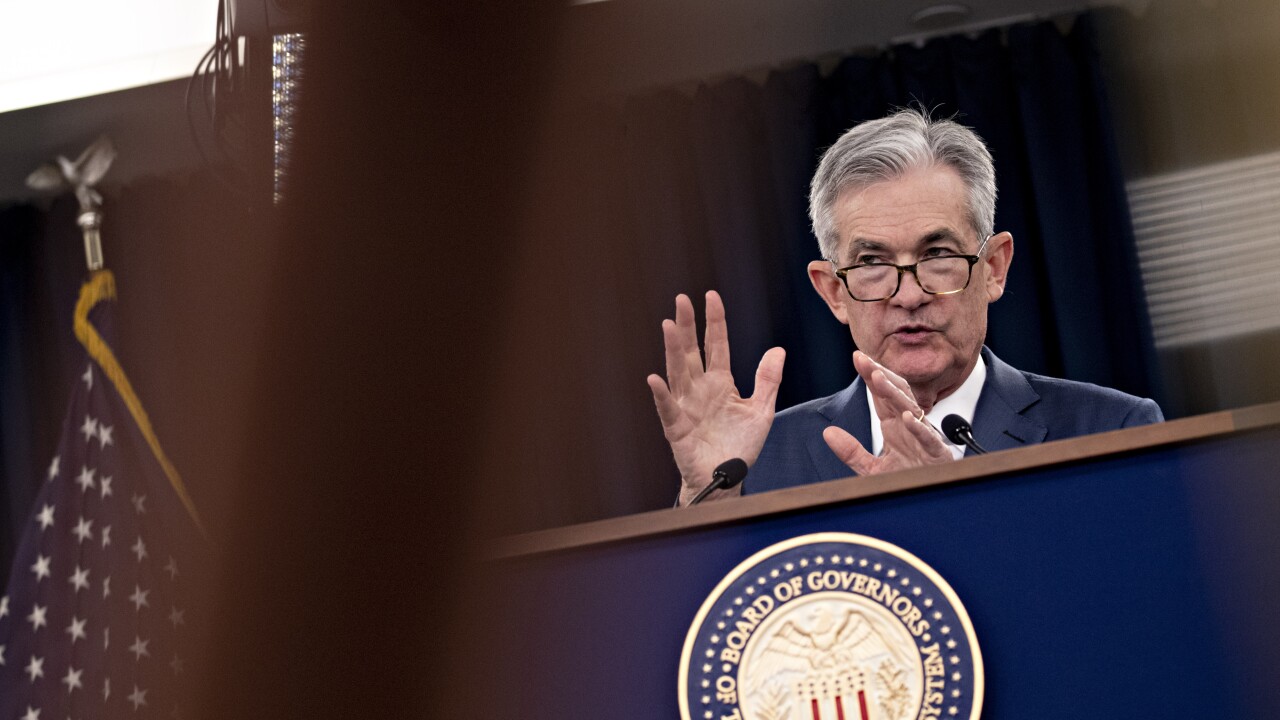
The Federal Reserve chair said there are no economic indicators calling for rapid rate cuts. He also addressed Fed independence, the impact of Trump's economic agenda and more.
November 14 -

In a speech, Federal Reserve Gov. Adriana Kugler said sound monetary policy comes when electoral politics are kept out of central banking.
November 14


