
-
The central bank has raised rates aggressively for nearly a year, but experts believe the hiking cycle is nearly over.

-
The homeownership gap between Black and white populations has widened in the years since the Great Recession, putting obstacles in the way of achieving wealth for a large percentage of Americans. How did we get here, and what do the housing and home lending industries need to do to change the current course?
November 29
-
The day after the FOMC announces its policy decision, Christian Scherrmann, U.S. Economist at DWS Group, will offer his take on the meeting, Fed Chair Powell's press conference and what comes next.

-
As the world reshapes its alliances around the Ukraine war, how will banks work with companies and governments to keep trade and the financial system running?

-
The Federal Reserve has started a hiking cycle that's expected to continue with half-point increases in June and July, Marvin Loh, senior macro strategist at State Street Global Markets, will assess the June Federal Open Market Committee meeting and tell what he expects the panel to do in the future.

-
New research shows that young Americans are finding it increasingly difficult to buy a home of their own. The co-author of a series of reports will delve into discoveries around the factors why.

-
Join industry experts to explore how financial institutions can better prepare for future compliance issues associated with the evolving landscape.
December 15
-
Community banks have played and will continue to play a key role in supporting local economies across the country. Join us in a lively conversation with Dennis E. Nixon, President & CEO of International Bank of Commerce (Laredo, Texas) & Chairman, International Bancshares Corporation and Eddie Aldrete, Senior Vice President at International Bank of Commerce as we discuss: (1) the need for bankers and the business community to become involved in political issues. From minimum wage and issues that affect small businesses to regulatory issues that directly affect the banking industry, banking and business leaders need to be thought leaders in the public conversation and (2) how bankers can play a pivotal advocacy role in the free trade process.

-
Edward Al-Hussainy, senior interest rate and currency analyst at Columbia Threadneedle, will discuss the economy, inflation and the Federal Reserve.

-
According to the latest Federal Deposit Insurance Corporation (FDIC)’s “How America Banks” report, there is an estimated 7.1 million unbanked households in 2019. Given the record levels of unemployment, the pandemic has brought on the FDIC expects this number to rise. Join Joe Adler, American Banker’s Washington Bureau Chief and Leonard Chanin, Deputy to the Chairman of the FDIC as they discuss the FDIC’s stance on financial inclusion and how banks can get millions of unbanked Americans into the traditional banking system.

-
Municipal bonds have a direct effect on the social and cultural character of cities, metropolitan areas, counties, and states. Munis and the initiatives they support such as public education, housing subsidies, public transit systems, and more, can often be linked to local or regional politics. Join Lynne Funk, Executive Editor at The Bond Buyer and Destin Jenkins, Neubauer Family Assistant Professor of History at the University of Chicago as they explore how municipal bond mismanagement can have contrasting influences on the different ethnic groups in our cities.

-
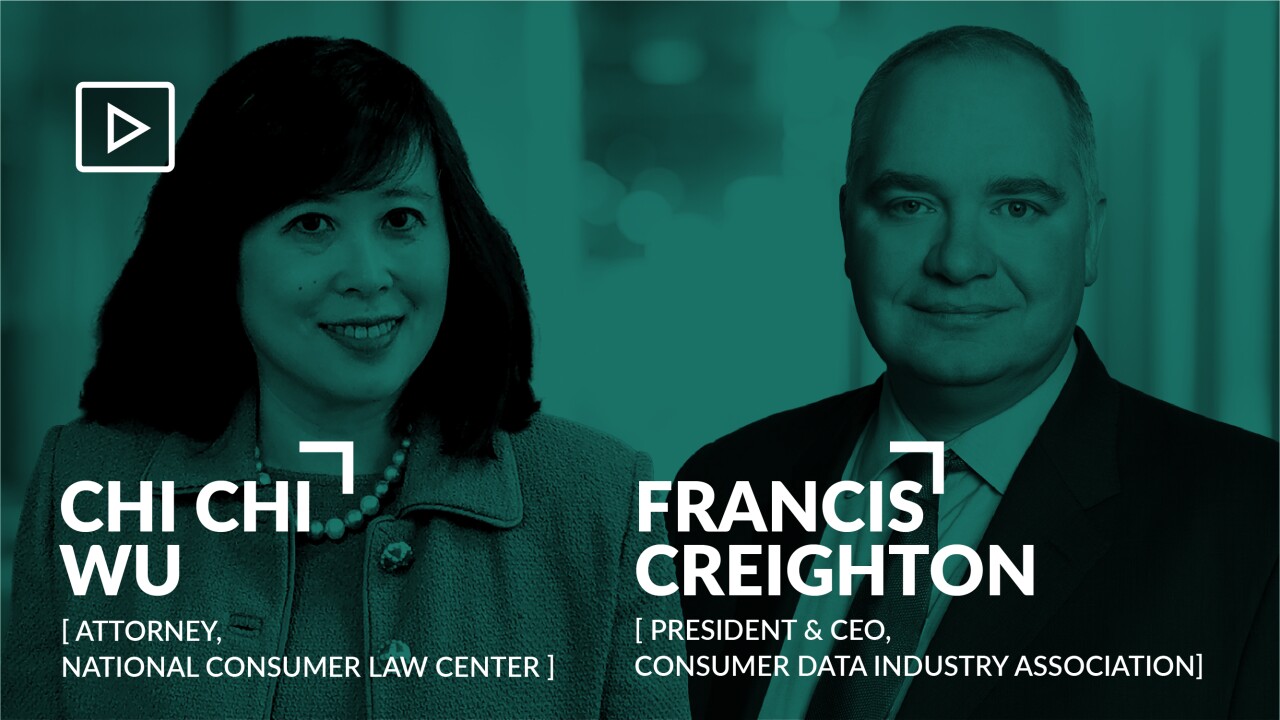
Credit scores have an effect on almost every aspect of a person's financial life. A less-than-ideal credit score can make it much harder to get a house or car loan, start a business, or even get a job. President Biden plans to change credit reporting So what does the new administration's plan mean for consumers and lenders? In this episode, we explore the pros and cons of the Biden proposal, what it means for consumers, and how it will impact lending institutions' strategy and operations.
-
-
The operating environment is dramatically different than it was pre-pandemic and presents all-new challenges for financial institutions. Tried-and-true strategies that led to high performance for many years are no longer going to be successful. Join Bonnie McGeer, Executive Editor of American Banker, and Claude Hanley, Partner at Capital Performance Group, as they highlight important trends and comb through data from top-performing banks across the country for insights that will help regional and community financial institutions thrive in 2021. Executives will learn what metrics will be most critical to focus on to maintain high performance going forward.

-
A growing number of states have chosen to decriminalize or legalize cannabis in recent years. As a result, the legal cannabis industry has experienced exponential growth. Yet banks and other financial institutions are still largely reluctant to partner with cannabis firms due to the lingering conflict between state and federal law. In this episode we will explore: (1) how financial institutions can navigate the regulatory, compliance, and operational challenges facing this sector; and (2) the steps the Biden Administration may take to improve the environment for banking this industry.

-
Come away better prepared for what’s ahead after hearing Satish Kini and David Sewell of Debevoise & Plimpton and Darin Jarrett, Deputy BSA/AML Officer at American Express, in conversation with Bonnie McGeer, Executive Editor of American Banker, as they explore: •How the new administration might change the BSA/AML Act •Are there easy wins in relieving the burden of suspicious activity reports without undermining effectiveness? •New ways that companies are innovating within AML compliance and risk •What banks are doing to drive next-gen efficiency and effectiveness of risk and compliance

-
The events of 2020 have only helped to intensify a range of potentially disruptive developments in the payment industry. As the central bank's digital currencies advance, how will the government and the private sector work together to bring projects to an effective conclusion?
November 16
-
The pivotal issue of the November vote will be a divided government versus a united government, and its possible effect on policies that can drive the economy and markets.

-
-
The regulatory road ahead is as uncertain and risky to banks as the pandemic.


