-
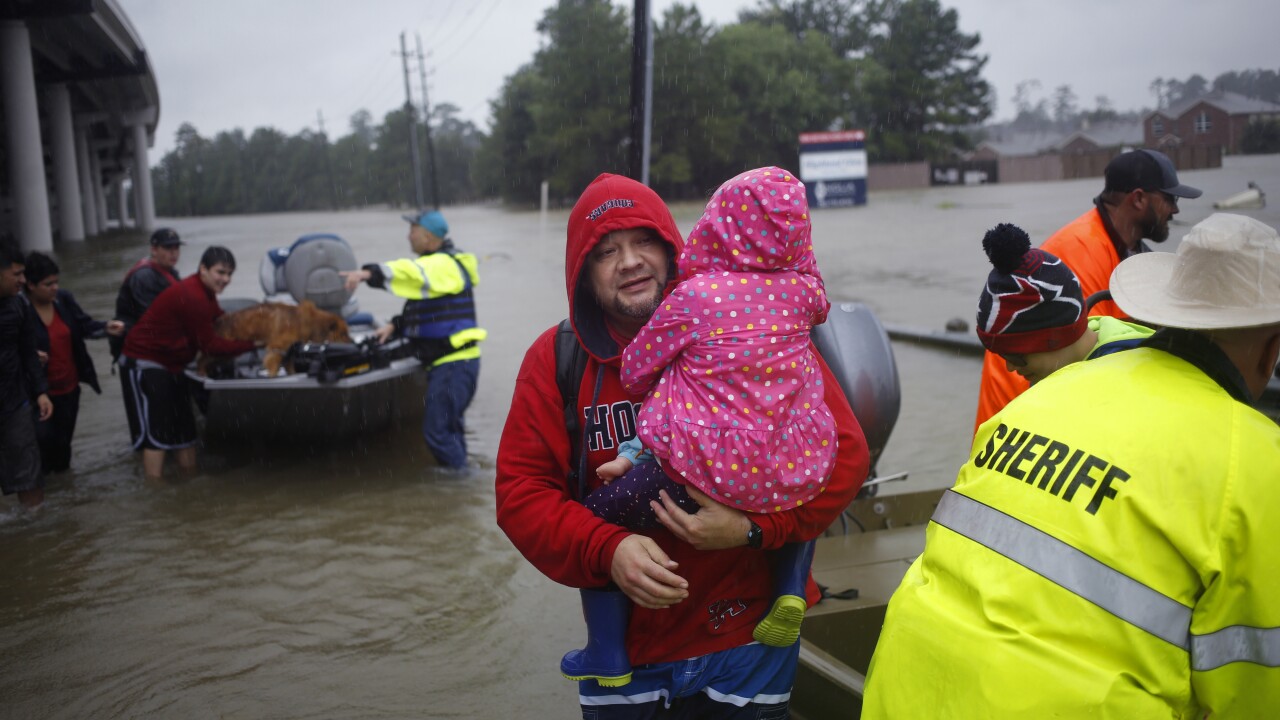
The National Flood Insurance Program, estimated to cover over 4 million homeowners, is set to lapse next Friday along with the federal budget.
March 6
-
Southeast homeowners affected by the storms last fall submitted a combined over 78,500 flood insurance claims to the National Flood Insurance Program.
February 13
-
The FEMA-operated program has over 4.7 million policies in force, and lawmakers have kept it intact via dozens of short-term extensions since 2017.
January 28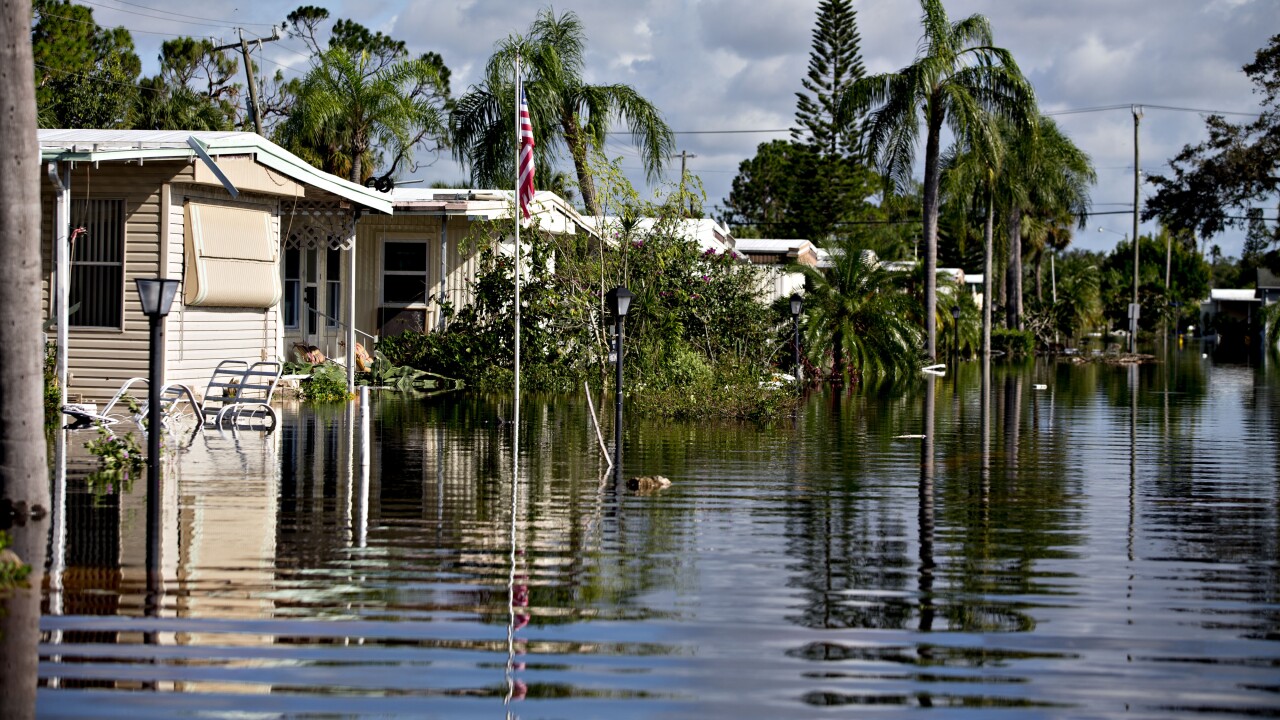
-
Financial profiles of borrowers in the coastal areas where insurance coverage is required vary significantly from at-risk homeowners inland, CFPB's analysis found.
January 14
-
Homeowners in areas affected by Hurricane Sandy have already seen growth in their property values lag behind the national median.
November 18
-
Mortgage professionals are focusing on housing policies and the Federal Reserve this November.
November 4
-
Flood maps, which designate areas where mortgage borrowers must buy policies are often out of date and don't focus on the danger of rain-caused issues.
October 9
-
Over 4 million residents in the region, both coastal and inland, face dangers similar to residents in Hurricane-weary Florida, Louisiana and Texas.
October 4
-
The incidence of at least four flood insurance payouts totaling $20,000-plus, or at least two totaling more than the building's market value, is growing.
October 4
-
The disaster underscores Americans' dangerously low levels of flood insurance coverage, especially away from coastal areas.
September 27
-
The program lapsing would've precluded mortgage applicants from closing on home loans without the required coverage in federally designated flood zones.
September 25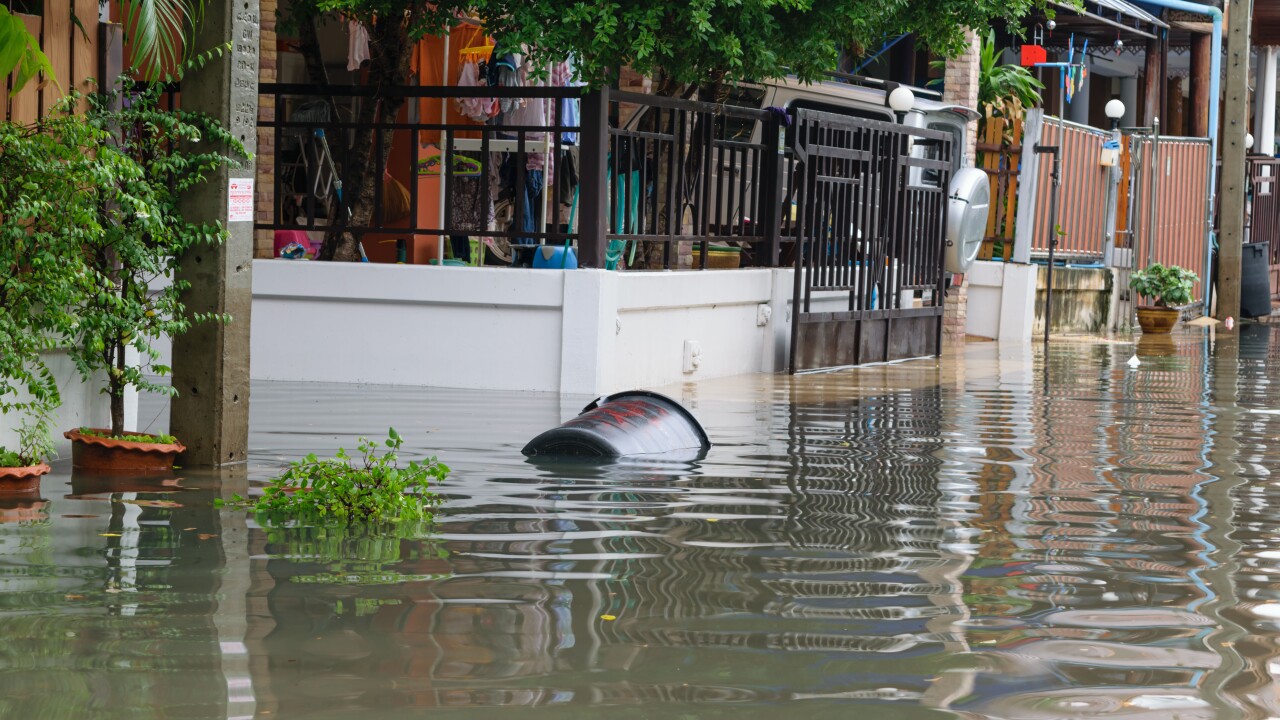
-
Awareness of disaster risk has increased in the public and private sectors, and it appears to be prompting more interest in home improvements in particular.
September 24
-
The Federal Housing Finance Agency has agreed to more regular checks on the government-sponsored enterprises' flood compliance, which impacts mortgage companies.
September 20 -
A Billings, Montana-based First Interstate Bank agreed to a five-figure penalty to resolve charges it engaged in National Flood Insurance Act violations.
September 6
-
A Congressional Budget Office study looks under the hood at homeowners insurance and considers strategies like expanding the federal coverage beyond floods.
August 29
-
The Congressional Budget Office acknowledged limitations in its research of expected flood damage data.
July 16
-
"Lax regulation and monitoring of property insurers makes Florida mortgage markets far more exposed to climate risk than people might think," said Parinitha Sastry, an author of a working paper by researchers at Harvard University, Columbia University and the Federal Reserve.
April 24
-
Prevention through new building standards and mapping technology aim to keep home insurance rates down but mortgage bankers see challenges.
April 23
-
The National Flood Insurance Program would ideally be approved yearly, but instead it has gone through 29 reauthorizations since 2017.
March 22
-
Lawmakers criticized the Biden administration's Risk Rating 2.0 effort — which was meant to reduce insurance premiums by developing more refined models — as ineffective, arguing that the program has increased rate premiums in vulnerable areas.
January 25