
-
Roughly 52% of the properties backing Tricon American Homes 2017-SFR2 were obtained through the May acquisition; 19.4% were previously securitized by Silver Bay.
 December 7
-
Maxwell Financial Labs, a provider of a digital cloud-based platform used by the mortgage industry, is getting a new $3 million round of funding led by Anthemis Group's investment arm.
 December 6
-
The Tennessee company also set high expectations for revenue opportunities while projecting it will deliver a 15% return on equity in 2019.
 December 5
-
The deal, BXMT 2017-FL1 weighs in at $1 billion, making it more than twice as large as most CRE-CLOs issued this year; its size isn't the only unusual feature, however.
December 5
-
The Trepp CMBS delinquency rate is now 5.18%, a decrease of three basis points from the October level; declines were limited to the industrial, multifamily and office subindexes.
December 5
-
Sen. Elizabeth Warren, D-Mass., was the only member of the Senate Banking Committee to oppose the nomination of Federal Reserve Board Gov. Jerome Powell to lead the central bank.
 December 5
-
Testing of the common securitization platform is taking longer than expected, but the Federal Housing Finance Agency said it won't delay the 2019 launch of Fannie Mae and Freddie Mac's new single "uniform mortgage-backed security."
 December 4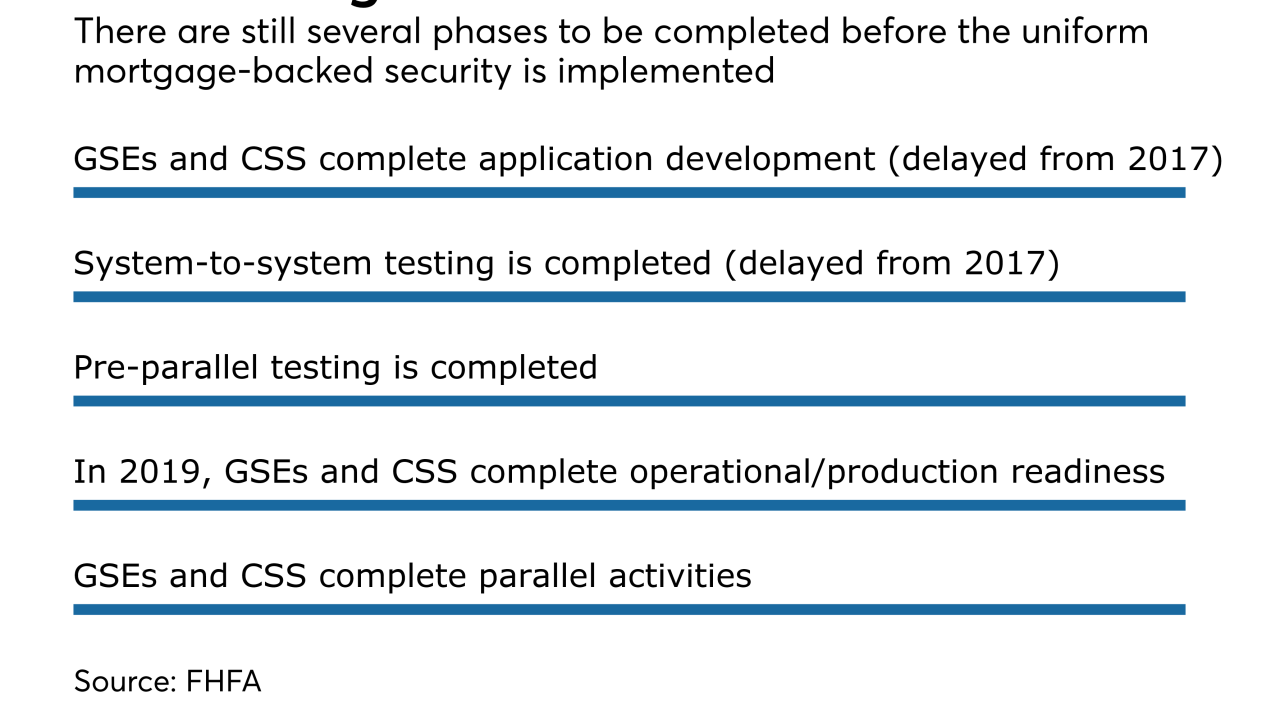
-
Private mortgage insurers are better positioned to weather a flatter or even inverted yield curve than other financials from an investment perspective, a report from FBR Capital Markets said.
December 4
-
Higher costs dampened mortgage lenders' profitability, outweighing near-term gains in origination volume and per-loan revenue during the third quarter, according to the Mortgage Bankers Association's quarterly.
December 1
-
New Residential Investment Corp. is planning to purchase Shellpoint Partners in the first half of next year for $190 million with an additional earn-out over the next three years.
November 29
-
This time it’s the JW Marriott Phoenix Desert Ridge Resort & Spa, a 950-room, full-service resort. A $365 million first mortgage on the property from Morgan Stanley is being securitized via MSC 2017-JWDR.
November 28
-
The Show Me State passed legislation enabling residential and commercial PACE financing in 2010; however, Renovate America only started funding assessments through the Missouri Clean Energy District three months ago, in August 2017.
November 27
-
Federal Reserve officials meeting earlier this month saw an interest-rate increase in the near term even as divisions persisted over the policy path forward amid tepid inflation.
November 22
-
When a $40 million round of venture funding fell through at the last minute, digital mortgage broker Sindeo all but shut down this summer. Now recapitalized and rejuvenated, founder and CEO Nick Stamos explains why Sindeo is ready to grow again.
November 21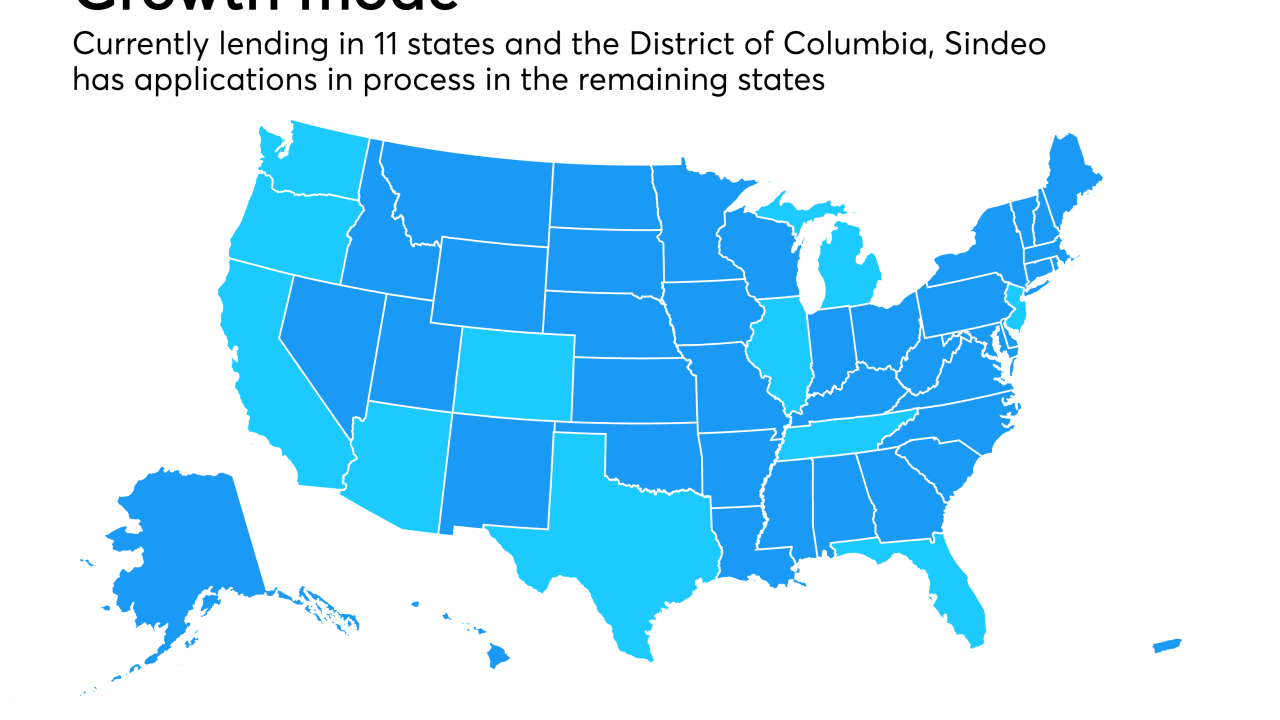
-
The senior tranche of Angel Oak 2017-3 benefits from 46.25% credit enhancement, up significantly from 37.75% for the sponsor’s July transaction, but in line with its April deal.
November 21
-
The agency's Quarterly Banking Profile said banks earned $47.9 billion in the third quarter, helped by a 7.4% increase in net interest income from the previous year.
November 21
-
Blue Lion Capital believes a heavy focus on mortgages and acquisitions is hurting HomeStreet's financial performance.
November 21 -
The impending bankruptcy of Walter Investment Management Corp. should not affect its subsidiary Ditech Financial's capability to service securitized mortgages, Fitch Ratings said.
November 20
-
Clearinghouse CDFI will use funds from the $2 million investment to support affordable-housing and economic development projects in communities and Native American reservations in California, Nevada and Arizona.
 November 20
 -
That’s an about-face from the bank’s previous transaction, completed in October, which was backed by fixed-rate mortgages, nearly half of which were underwritten to standards for purchase by Fannie Mae or Freddie Mac.
November 16


