
-
The program helped more than 23,000 consumers establish credit scores in its first year through partnerships with three fintechs, all of which were chosen to renew their participation.
November 14
-
Rather than adding the option of using two rather than three prior to score updates, the company suggested the former functionality be added after or scrapped.
November 3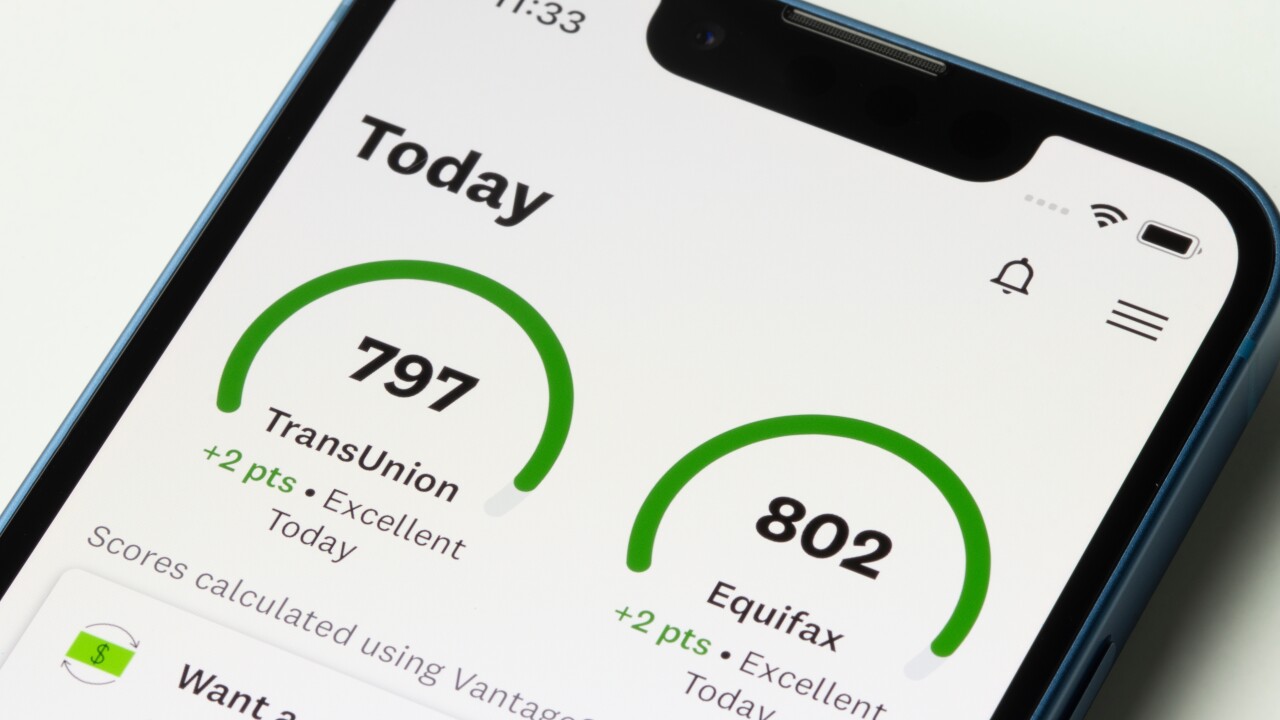
-
An analysis of previously released S&P data suggests the Federal Housing Finance Agency's initiative would have mixed impacts on the price of loans and eligibility that vary by individual.
October 16
-
The Federal Housing Finance Agency also is offering more opportunities for public dialogue as stakeholders debate how fast the process should move forward.
September 11
-
The Federal Housing Finance Agency is adding advanced models that include rental payment histories and trended data, but others tap cell phone or consumer-permissioned bank data.
August 17
-
Removing such debt information from consumer reports generated an uptick in home loan inquiries in one study and other industries have found advanced score use pays off.
August 16
-
Industry executives coming off a tough year are wondering what the transition will cost and how many borrowers it'll bring in.
August 15
-
This first step in updating borrower assessments was seen as the easiest and could reduce costs, but stakeholders fear change that reduces data inputs.
August 14 -
Transgender and nonbinary people who switch their names to fit their gender identity must send documentation to all three national credit bureaus in order to avoid a hit to their credit — and many aren't aware of the need to do so.
June 29
-
Lenders who have started using these have saved up to 71% compared to all hard inquiries, Blend's co-founder says.
May 17 Blend
Blend -
The Consumer Financial Protection Bureau said it found deficiencies in how credit-reporting companies handle complaints about consumer data.
January 4
-
The use of rent data in credit models is allowing people with low credit scores or thin credit files to get loans. But consumer advocates warn the use of that data could harm the very people it’s supposed to help.
July 11
-
The agency issued an advisory opinion warning that credit reporting bureaus and other entities using credit checks can no longer use disclaimers to bypass privacy protections.
July 7
-
The use of rent data in credit models is allowing people with low credit scores or thin credit files to get loans. But consumer advocates warn the use of that data could harm the very people it’s supposed to help.
July 5 -
While relatively few of these consumers have applied for mortgages recently, the findings point to an untapped market that lenders might be able to reach out to as refinancing dries up.
April 7
-
Esusu, a financial technology company that aims to help bridge the racial wealth gap by reporting rent payments to credit agencies, has become one of only a few Black-owned startups to reach a valuation of $1 billion after closing a Series B round led by SoftBank Vision Fund 2.
January 27 -
In a letter to the agency’s new director, top Senate Democrats recommended policy steps intended to limit mistakes in consumers’ credit files that they said “can ruin lives.”
November 11
-
Companies using only a person’s name and not other identifiers to screen job and tenant applications can produce inaccurate information, according to the bureau. The agency's advisory opinion said such practices violate the Fair Credit Reporting Act.
November 4
-
A report by the agency found that consumers in majority Black neighborhoods were more than twice as likely as those in white neighborhoods to lodge complaints with the credit bureaus over information in their files. Meanwhile, disputes were less common among older borrowers.
November 2
-
Democrats are pushing for a public-sector alternative to the three main credit bureaus, but Republicans argue that the government is ill-equipped to safely handle consumer data and produce accurate reports.
June 29


