
-
Yields across maturities were higher by less than three basis points after rebounding from session lows.
January 8
-
Yields gravitated back toward session lows — down three to four basis points on the day — after the December ISM manufacturing gauge unexpectedly dropped.
January 5
-
The rally sparked by the weekend US arrest of Venezuela's President Nicolas Maduro also faltered as oil prices rebounded from their initial declines
January 5
-
Treasury yields climbed to the highest in more than two months, following losses in most global government-bond markets, ahead of a Federal Reserve interest-rate decision that may alter expectations for monetary policy in 2026.
December 8
-
BTIG is waiting with "baited breath" for Fannie Mae and Freddie Mac to relist their common stocks, but if spreads widen, it could derail it from happening.
December 5
-
While the tone is still generally upbeat, the market is mired below October's price highs and yields are range-bound.
November 24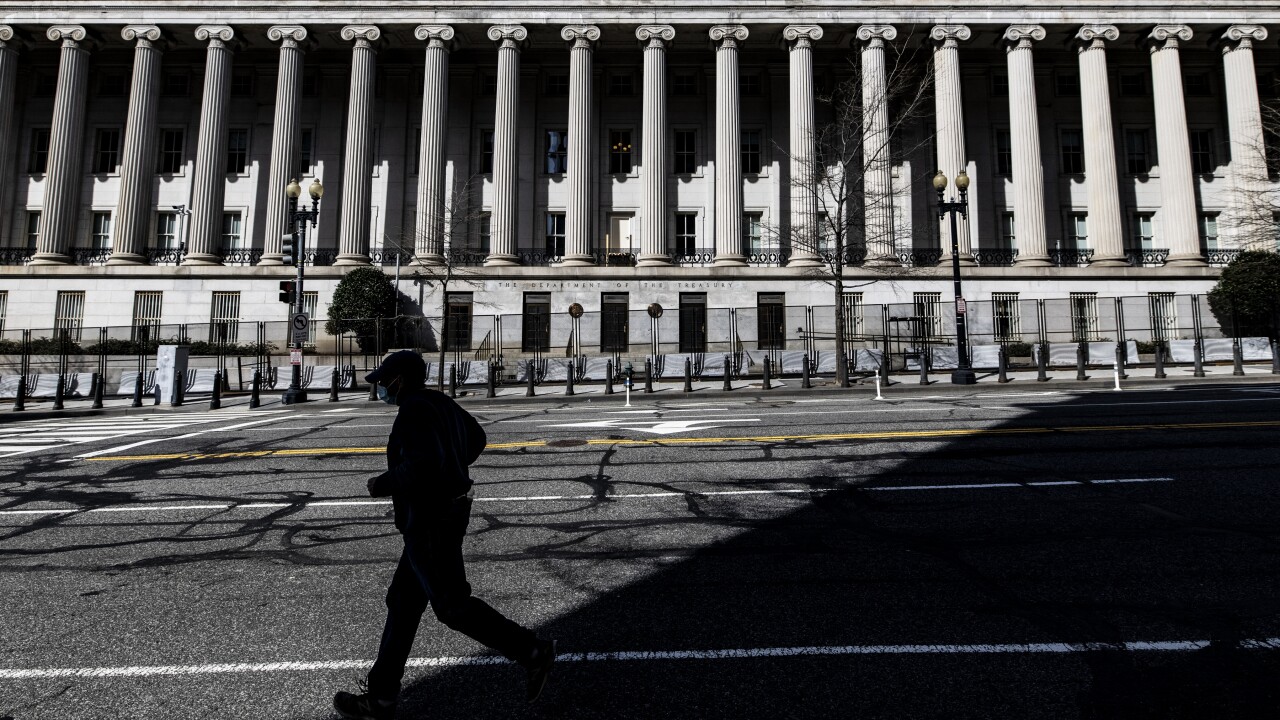
-
Yields were higher by as much as three basis points, led by tenors more sensitive to changes in Fed policy.
November 13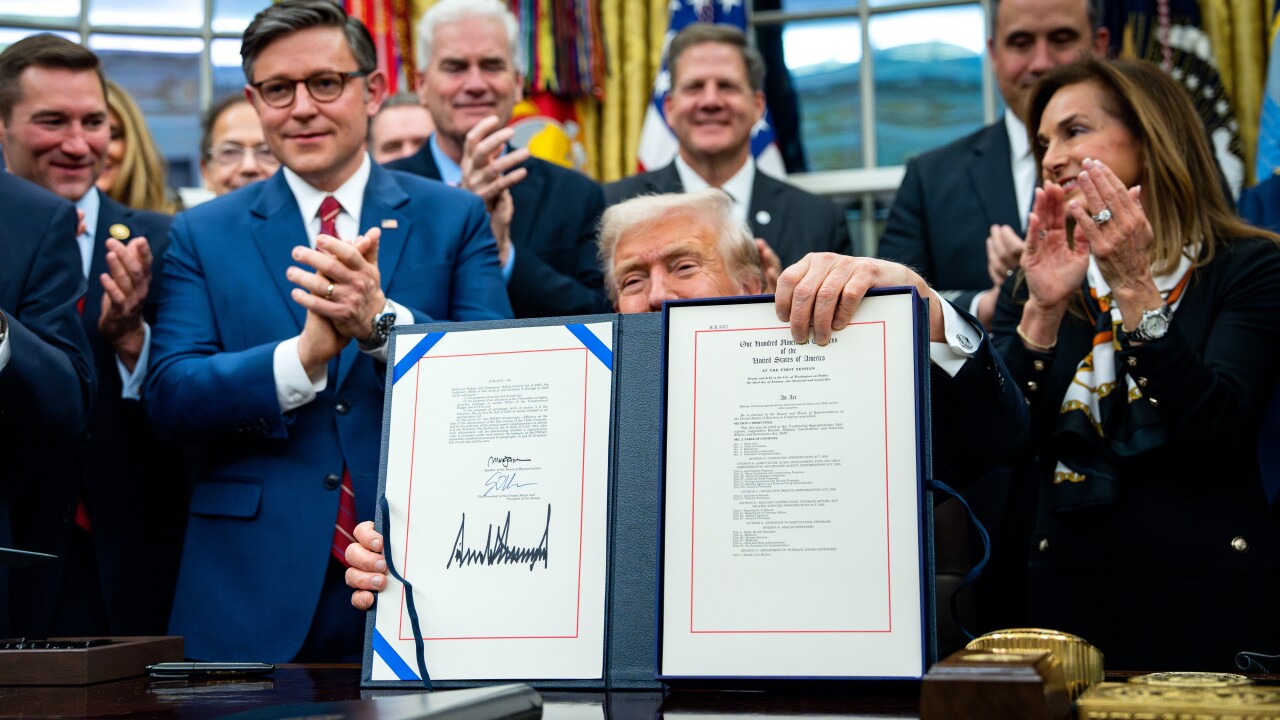
-
Treasuries fell after the US government signaled that larger auction sizes are on the horizon, while signs of economic resilience hurt the odds a Federal Reserve interest-rate cut in December.
November 5
-
In its so-called quarterly refunding statement Wednesday, the Treasury department said it anticipated keeping auction sizes unchanged for nominal notes, bonds and floating-rate notes, "for at least the next several quarters."
November 5
-
Wall Street dealers expect Bessent to signal as soon as Wednesday, when his department releases a quarterly statement on debt sales, that issuance in the $30 trillion Treasury market will keep shifting in that direction.
November 3
-
The shutdown started with a flight into treasury bonds, putting downward pressure on financing costs, but several other developments slowed mortgage activity.
October 1
-
Treasuries rose, led by short-dated notes, after a reading on wholesale inflation came in weaker than expected, cementing bets that the Federal Reserve will start to cut interest rates next week.
September 10
-
Investors are anticipating the annual preliminary benchmark revision of US payrolls data. Further signs of softening could further raise expectations for Fed easing.
September 9
-
The US 30-year yield climbed as much as four basis points to 4.999% on Wednesday before stabilizing.
September 3
-
US Treasuries retained most of their recent gains as anticipation of Federal Reserve interest rate cuts held firm after the central bank's preferred gauge of inflation matched economist estimates.
August 29
-
President Donald Trump's unprecedented and escalating attack on the Federal Reserve runs the risk of backfiring by hitting financial markets and the economy with higher long-term borrowing costs.
August 27
-
Treasury bonds jumped, widening the gap between short- and long-term yields to the most in almost four years — a typical reaction to a more dovish Fed.
August 25
-
Bond traders' big bet that the Federal Reserve is poised to lower interest rates faces a key moment this week as Chair Jerome Powell gets a chance to weigh in on the economy.
August 18
-
US Treasuries, coming off their best day so far this year on Friday, held onto most of the move to start a week featuring a heavy slate of note and bond auctions.
August 4
-
Bond investors enter a frenetic week comprising the latest Treasury view on quarterly debt sales, a Federal Reserve meeting, and plenty of data crowned by the July jobs report.
July 28


