
-
Bessent reiterated his interpretation of the decline being mainly a product of deleveraging, saying he had no evidence that sovereigns were behind the drop.
April 14
-
In a sign of how Treasuries' status as a global haven during times of turmoil may be fading, rates on longer-term debt soared last week as equities convulsed, turbocharging bets on a steeper yield curve.
April 13
-
President Donald Trump unleashes an all-out assault on global trade, the status of Treasury bonds as the world's safe haven is increasingly coming into question.
April 11
-
Pres. Trump's decision to pause most of the tariffs has sparked a rally in the stock market, but the 10-year yield, while off of its peak, remains higher.
 April 9
-
A pullback from US Treasuries sent longer-term yields surging by the most since pandemic struck in 2020, deepening losses in what's supposed to be a haven from financial turmoil and roiling markets abroad as investors sell government bonds to raise cash.
April 9
-
Treasuries surged and investors boosted their bets on Federal Reserve interest-rate cuts Monday as fear of a economic slowdown took hold across US markets.
March 11 -
The selloff in US equities accelerated Monday, with major averages tumbling to their worst day this year, as investors braced for a slowdown in the American economy.
March 10
-
The advances pushed the yield on three- to 10-year yields lower by 10 basis points on Monday, with the moves accelerating as US equities sold off.
March 10
-
Traders added to bets on interest-rate cuts from the Federal Reserve amid concern about the impact of US trade tariffs on global economic growth.
March 4
-
Treasuries gained for a sixth straight session. Morgan Stanley say the 10-year has scope to fall back below 4% if the prevailing view on the Fed shifts.
February 26
-
"Red flags are emerging for the US economy," said Elias Haddad, senior market strategist at Brown Brothers Harriman. "Another month or two of poor US economic data would deliver a blow to the US exceptionalism narrative."
February 25
-
The confabs are a sign that Republicans are getting serious about negotiating the contours of a tax deal, even as the House and Senate are pursuing separate strategies.
February 24
-
Bond traders anticipate that yields will remain elevated — and range bound — until there's a lot more clarity on where the economy is heading.
February 10
-
Treasury Secretary Scott Bessent said the Trump administration's focus with regard to bringing down borrowing costs is 10-year Treasury yields, rather than the Federal Reserve's benchmark short-term interest rate.
February 5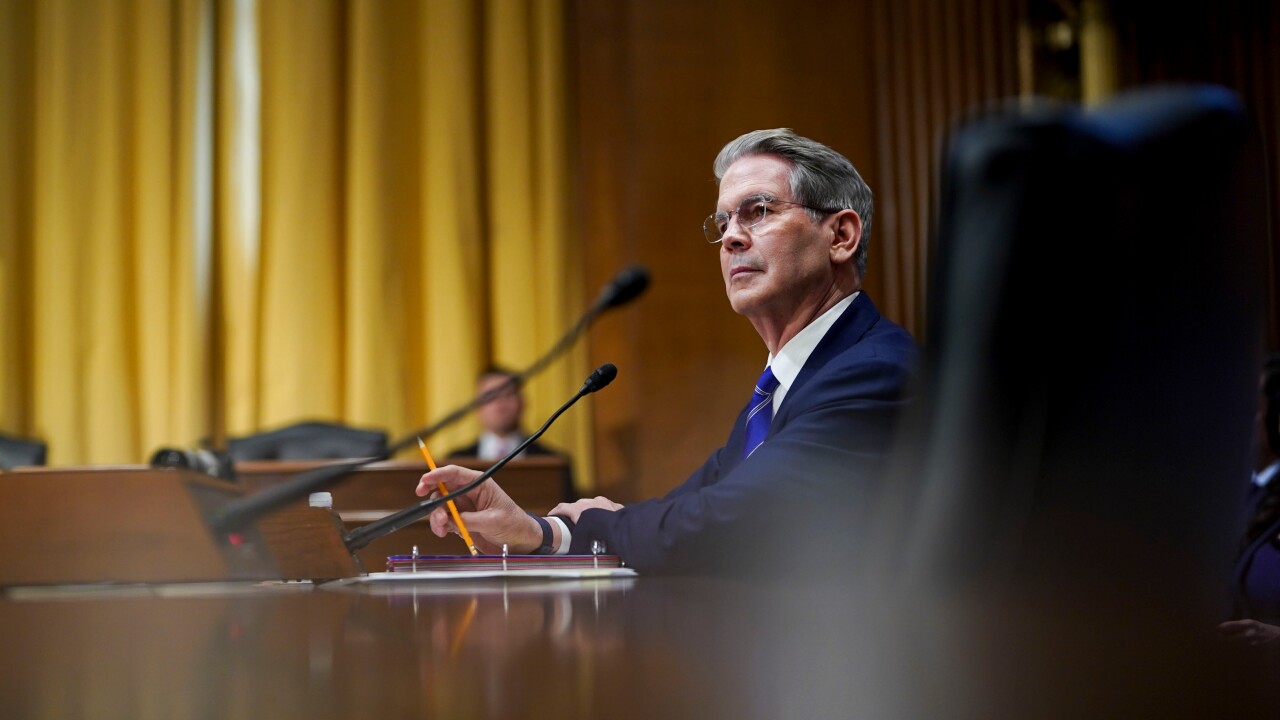
-
After repeatedly blasting Janet Yellen last year over her department's strategy for issuing federal debt, it's now up to Scott Bessent to make the call on sales of Treasuries, with bond dealers conflicted over what he'll do in a pivotal release due Wednesday.
February 3 -
For those unsettled by the relentless rise in government bond yields in the US and across much of the world lately, the message from markets is getting clearer by the day: Get used to it.
January 13
-
In the US, the 10-year Treasury yield rose as high as 4.73% Wednesday, pushing it toward the 5% peak hit in October 2023, before pulling back down.
January 8
-
The overall price drop was offset by interest payments, allowing a broad gauge of the Treasury market to post a gain of about 0.7% this year through Dec. 30.
December 31
-
Investors have wildly different takes on whether the Fed's three-month-old easing cycle — designed to bring the benchmark rate back down to neutral as inflation cools — is just beginning or getting close to the end.
December 12
-
Economic forecasts include the possibility of higher inflation and slower growth that could stall future cuts to the federal fund rates.
 December 5


