
-
The bipartisan housing package, dismissed by President Trump as a "yawn," takes effect automatically after he declined to sign it in protest over stalled voter ID legislation.
 July 11
-
The bill, which passed with wide bipartisan support, will become law at midnight if President Donald Trump doesn't veto it.
July 10
-
President Donald Trump said he wouldn't sign the housing bill, which includes several riders aimed at helping community banks, until Congress passes the SAVE Act.
June 24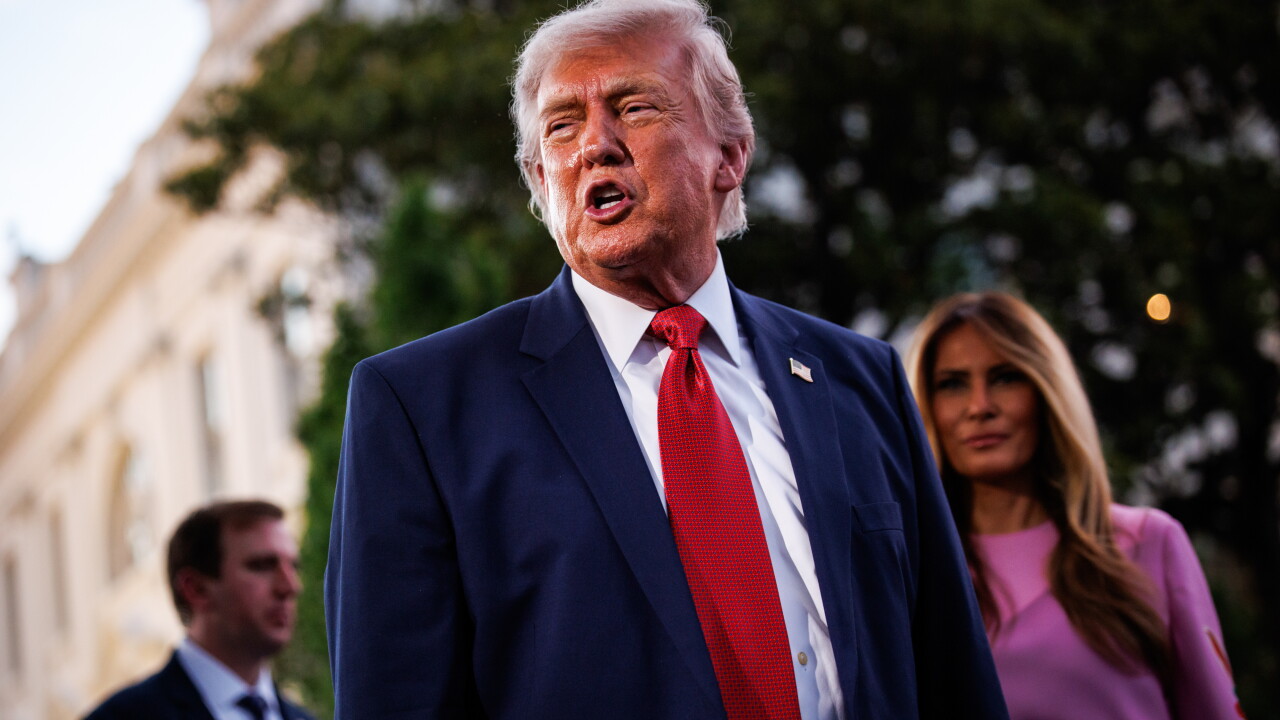
-
The bipartisan legislation aimed at reducing barriers to new home construction, which included certain community bank riders, passed the lower chamber by a 358-32 vote.
June 23
-
The Senate passed a bipartisan housing package, which includes certain community bank provisions, in an 85-5 vote. The House is set to vote on the package Wednesday.
June 22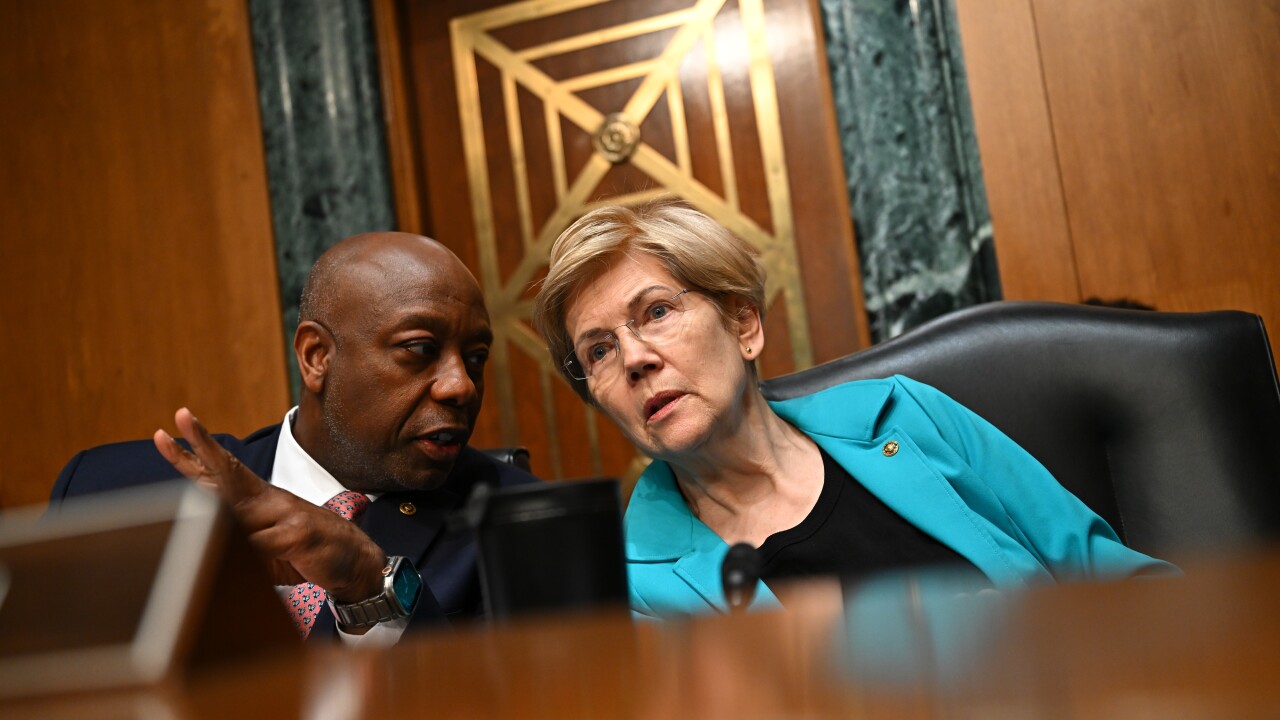
-
The House passed housing legislation that includes a slightly pared-down institutional investor housing ban, as well as a raft of community bank measures.
May 20
-
The newest version of the House housing bill would make a ban on institutional investors owning some homes less harsh than the Senate version by removing a seven year mandate on selling build-to-rent homes.
May 19
-
House lawmakers modified a ban on big-money investors from purchasing single-family homes, broadening the exemptions for build-to-rent properties and eliminating requirements in a Senate version of the bill that affected investors divest their holdings.
 May 14
-
Credit risk transfers, a means by which banks can move risk off their balance sheets, earned considerable bipartisan support in a House Financial Services subcommittee hearing Wednesday.
April 22
-
What was once a bipartisan and broadly popular housing bill has been weighed down with a pair of provisions that banks can't support. Even with those headwinds, the bill is more likely than not to pass, but not without drawn-out negotiations between the House and Senate.
March 25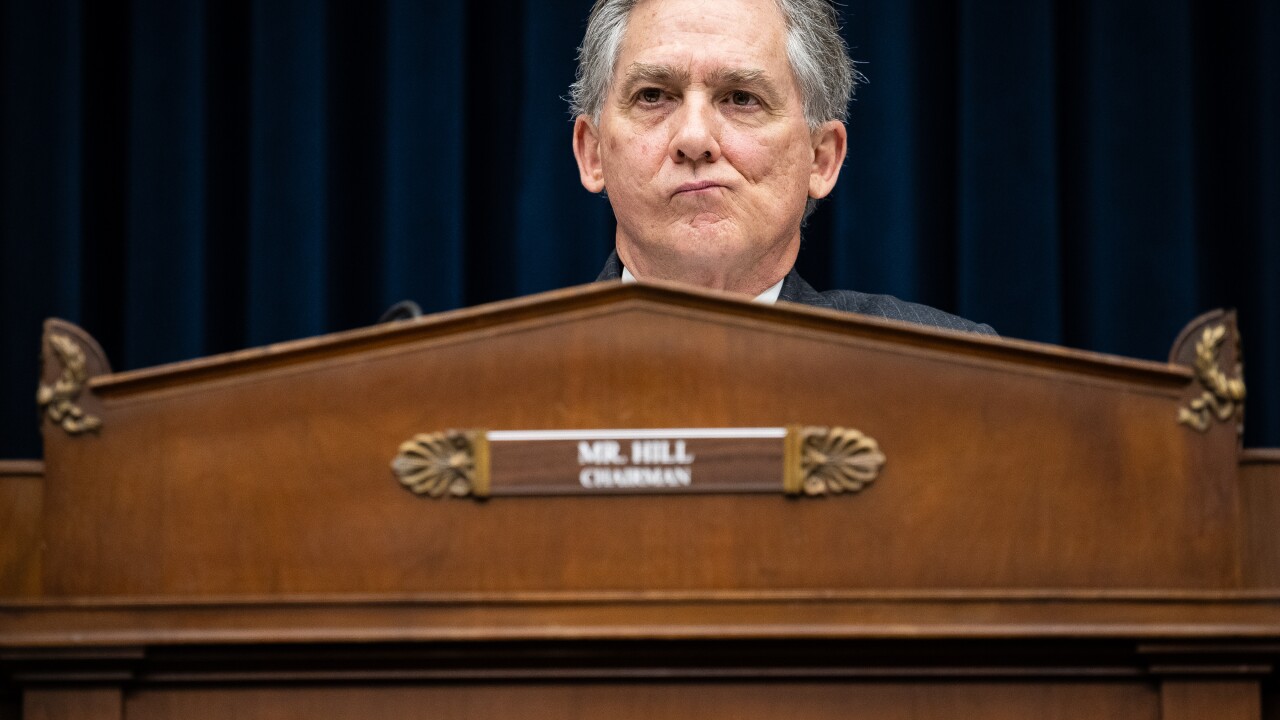
-
A White House executive order issued Friday afternoon directing regulators to ease Dodd-Frank compliance burdens comes as a bipartisan housing bill advances on Capitol Hill.
March 13
-
The Senate passed a bipartisan housing bill in an 89 to 10 vote, but how quickly and easily the bill can pass the House remains unclear.
March 12
-
Sens. Tim Scott, R-S.C., and Elizabeth Warren, D-Mass., released new legislative language Monday night that includes a ban on institutional investors' purchase of single family homes and a temporary ban on the Federal Reserve issuing a Central Bank Digital Currency.
March 3
-
Senate Majority Leader John Thune, R-S.D., moved to consider the housing package next week, but it's not clear what version of the bill senators will be voting on as the House, Senate and White House are still negotiating priorities.
February 26
-
The bill, offered by Sens. Catherine Cortez Masto, D-Nev., and Todd Young, R-Ind., would allow Federal Home Loan bank members to establish tax-exempt community infrastructure development bonds.
February 26
-
President Donald Trump talked about institutional single-family home ownership and housing affordability, as well as inflation, but left credit card rate caps, debanking and even crypto alone at the State of the Union address.
February 24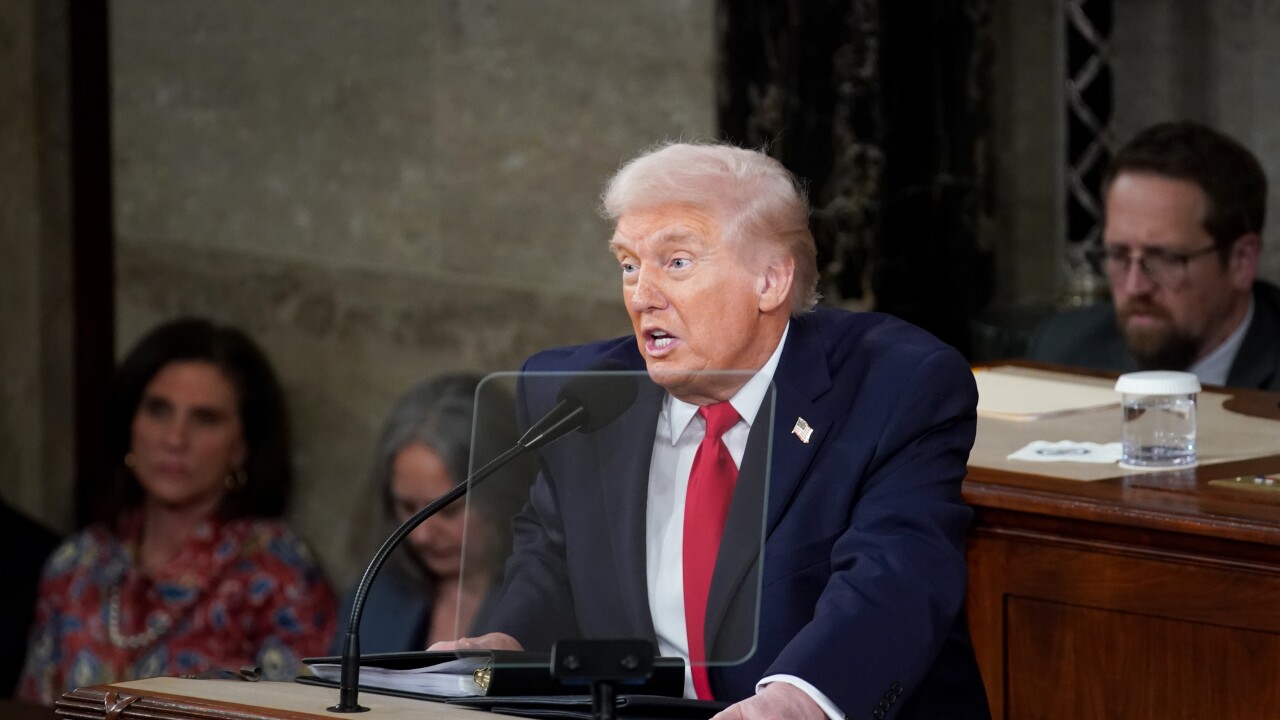
-
A housing bill that already passed the Senate cleared the House Monday evening, but included bipartisan community banking provisions that have already raised objections in the upper chamber.
February 9 -
President Trump said he would prohibit large institutional investors from buying single-family homes. While the executive couldn't bar such investments on its own, a legislative ban could gain bipartisan support.
January 7
-
The National Defense Authorization Act will be voted on by the House without the housing package that passed through the Senate Banking Committee unanimously.
December 8
-
A bipartisan housing provision has emerged as a critical negotiating point for passage of an uncommonly bank-relevant defense authorization bill.
December 4


