
-
The agency has proposed letting firms seek specific guidance, which can be applied to other institutions. But consumer groups worry the plan circumvents formal rulemaking.
July 1
-
Chris Dodd and Barney Frank said the legislation — nearing its 10th anniversary — put banks in position to be a stabilizing force during the coronavirus crisis.
June 30
-
The templates are meant to make it easier to obtain agency approval for small-dollar loan products and to accommodate mortgage servicers that want to provide online loss mitigation options.
May 22
-
The agency has freed companies from reporting requirements and provided flexibility on exams to help them deal with COVID-19 fallout. It has also finished other regulatory relief efforts that were in the pipeline before the pandemic hit.
May 18
-
The move is part of an effort by CFPB Director Kathy Kraninger to help smaller lenders by significantly raising loan thresholds for collecting and reporting mortgage data.
April 16
-
The agency has relaxed some reporting requirements and joined other regulators in encouraging banks to help borrowers, but pressure is building on the bureau to do more to aid consumers suffering financial hardship.
March 30
-
The $2 trillion deal passed by the Senate late Wednesday would aim to put banks and consumers alike on stronger financial footing as they weather the coronavirus pandemic.
March 25
-
John Roberts could play a familiar role as the swing vote in determining whether the Supreme Court curbs the consumer bureau’s power.
March 2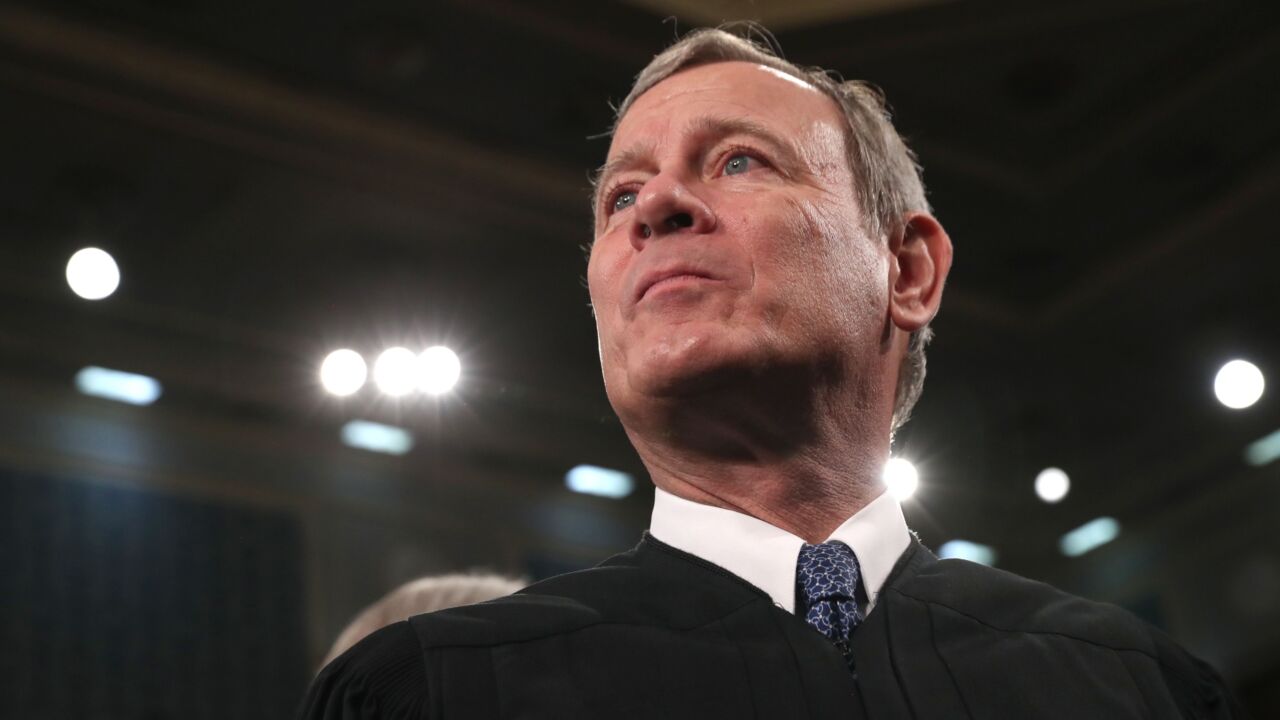
- LIBOR
Federal Reserve Chairman Jerome Powell told senators that the central bank is willing to explore a credit-sensitive interest benchmark in addition to the secured overnight financing rate, which some banks say could cause problems during economic stress.
February 12
-
Now that the Consumer Financial Protection Bureau says it will scrap an unpopular standard for so-called qualified mortgages, the big question is what will take its place.
February 3
-
In the past, the agency cited the legal term in enforcement actions without stating what it meant, but Director Kathy Kraninger has sought to give the industry clearer guidance.
January 24
-
In another sign of state officials trying to outdo the Consumer Financial Protection Bureau, governors in California and New York want greater authority to license and oversee the debt collection industry.
January 16
-
Todd Zywicki, a law professor who has sharply criticized the CFPB as an unaccountable bureaucracy, has been named chair of an agency task force identifying potential conflicts and inconsistencies in consumer finance law.
January 9
-
The Department of Housing and Urban Development has proposed an overhaul of an Obama-era rule meant to guide local jurisdictions in how they comply with the Fair Housing Act.
January 7
-
Despite assurances by Director Kathy Kraninger that the agency is cracking down on discrimination, it has not filed an enforcement action or sent a Department of Justice referral on a fair-lending violation in two years.
December 17
-
The Federal Housing Finance Agency has proposed a plan that would exempt the Federal Home Loan Banks from conducting stress tests.
December 16
-
The agency’s director previewed a policy for companies under enforcement action to have their orders terminated if they comply ahead of schedule.
December 2
-
The agency’s director previewed a policy for companies under enforcement action to have their orders terminated if they comply ahead of schedule.
December 2 -
Lenders contend the proposal goes beyond policing third-party debt collectors and could expose banks to enforcement actions and lawsuits.
November 25
-
The agency will review the TRID regulation, which combined disclosure requirements of two separate laws, as part of a mandate to evaluate major policies five years after their effective date.
November 20


