
-
Traders added to bets on interest-rate cuts from the Federal Reserve amid concern about the impact of US trade tariffs on global economic growth.
March 4
-
"Red flags are emerging for the US economy," said Elias Haddad, senior market strategist at Brown Brothers Harriman. "Another month or two of poor US economic data would deliver a blow to the US exceptionalism narrative."
February 25
-
Bond traders anticipate that yields will remain elevated — and range bound — until there's a lot more clarity on where the economy is heading.
February 10
-
Treasury Secretary Scott Bessent said the Trump administration's focus with regard to bringing down borrowing costs is 10-year Treasury yields, rather than the Federal Reserve's benchmark short-term interest rate.
February 5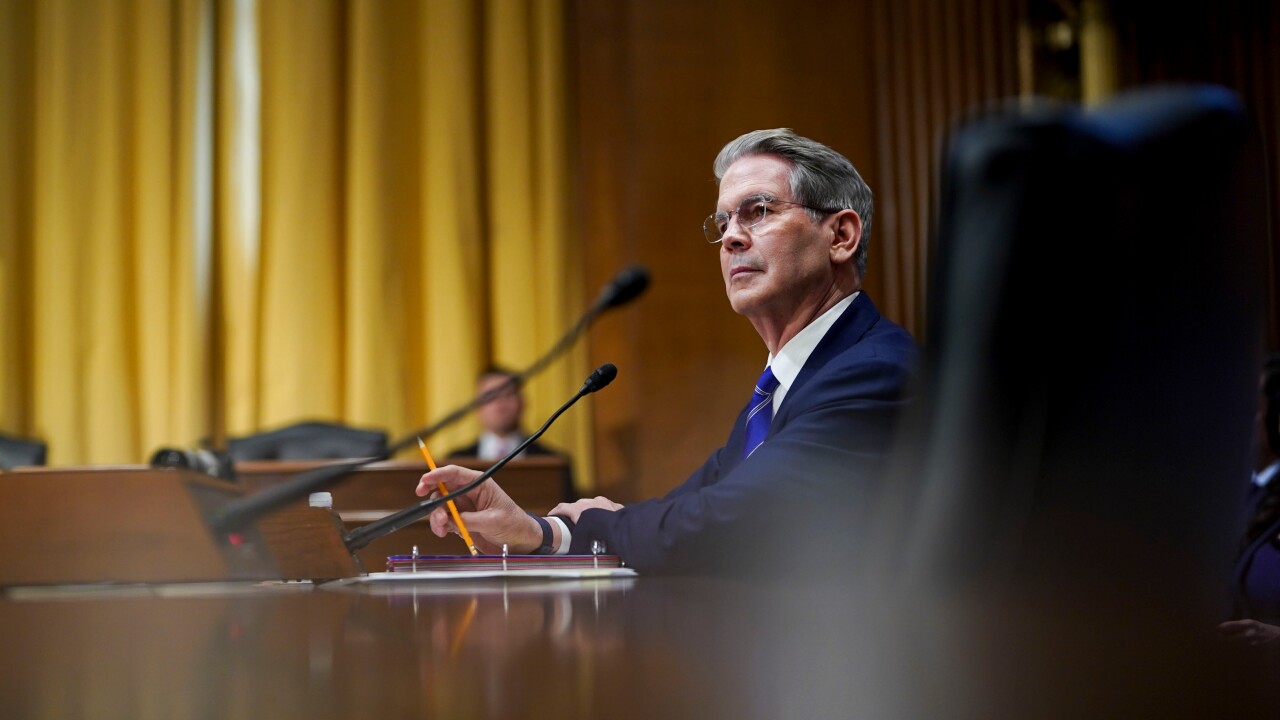
-
After repeatedly blasting Janet Yellen last year over her department's strategy for issuing federal debt, it's now up to Scott Bessent to make the call on sales of Treasuries, with bond dealers conflicted over what he'll do in a pivotal release due Wednesday.
February 3 -
For those unsettled by the relentless rise in government bond yields in the US and across much of the world lately, the message from markets is getting clearer by the day: Get used to it.
January 13
-
In the US, the 10-year Treasury yield rose as high as 4.73% Wednesday, pushing it toward the 5% peak hit in October 2023, before pulling back down.
January 8
-
Investors have wildly different takes on whether the Fed's three-month-old easing cycle — designed to bring the benchmark rate back down to neutral as inflation cools — is just beginning or getting close to the end.
December 12
-
Economic forecasts include the possibility of higher inflation and slower growth that could stall future cuts to the federal fund rates.
December 5
-
Donald Trump's presidential victory, stubbornly elevated inflation and a steady drumbeat of strong economic data have pushed 10-year Treasury yields up sharply since mid-September — and there's no clear consensus of where they're likely to go.
November 25
-
Treasury yields fell sharply and the dollar weakened as investors pared bets on Republican Donald Trump prevailing in Tuesday's U.S. election.
November 4
-
Wall Street are paring back bets on aggressive policy easing as the U.S. economy remains robust and Fed officials have sounded a cautious tone over the pace of future rate decreases.
October 22
-
Treasuries rallied the most in two weeks as tumbling oil prices eased concerns about an uptick in inflation.
October 15
-
After persisting for as long as two years in the U.S., the so-called inversion in yield curves — an unusual situation where rates on short-term debt exceed those of their longer-term counterparts — is unwinding in many parts of the world.
September 24
-
Wall Street strategists are recommending taking advantage of declines in market-based gauges of future inflation to build up protection on the cheap.
August 19
-
As Treasuries advance for a third-straight month, investors are fully pricing in at least two quarter-point rate reductions this year, slightly more than what policymakers have telegraphed.
July 29
-
Both Vanguard Group Inc. and Fidelity International have said a Republican sweep in November would pose the greatest risk to bonds by expanding Trump's ability to implement his agenda, some of which is also expected to contribute to higher inflation.
July 21
-
Investors are set to start the week scrambling to decide if President Joe Biden's decision to end his reelection campaign and endorse Vice President Kamala Harris increases or decreases Donald Trump's chances of regaining power.
July 21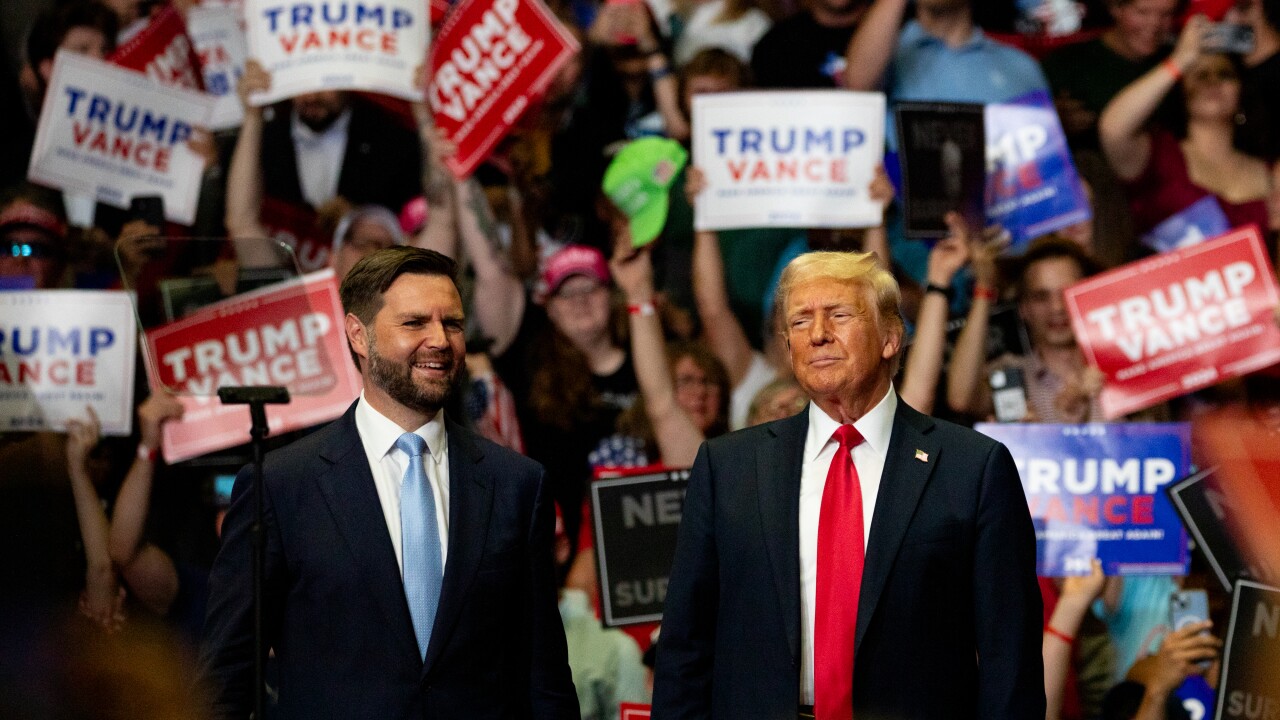
-
The resilience of the equity market has been underpinned by optimism the economy has withstood the worst of Fed tightening.
July 16
-
Potentially limiting the Federal Reserve's ability to cut rates is the growing view that the economy's so-called neutral rate — a theoretical level of borrowing costs that neither stimulates nor slows growth — is much higher than policymakers are currently projecting.
June 24


