
Home Equity Lines of Credit (HELOCs)
Home Equity Lines of Credit (HELOCs) are experiencing a resurgence due to both homeowners having trillions in tappable equity as well as many being locked into low-rate mortgages. Borrowers are seeking liquidity without refinancing. Banks and independent mortgage lenders are responding to this by expanding HELOC products, increasing limits, and embracing new technology and digitization. Current areas of focusing include securitizations gaining momentum, rising fraud threats, and intensifying competition is intensifying. HELOCs have re-emerged as a strategic growth lever for mortgage professionals.
-
Attom's data adds to signs that the market's loan performance buffer is solid but thinning in some areas, and shows the trend affects both ends of the market.
 August 20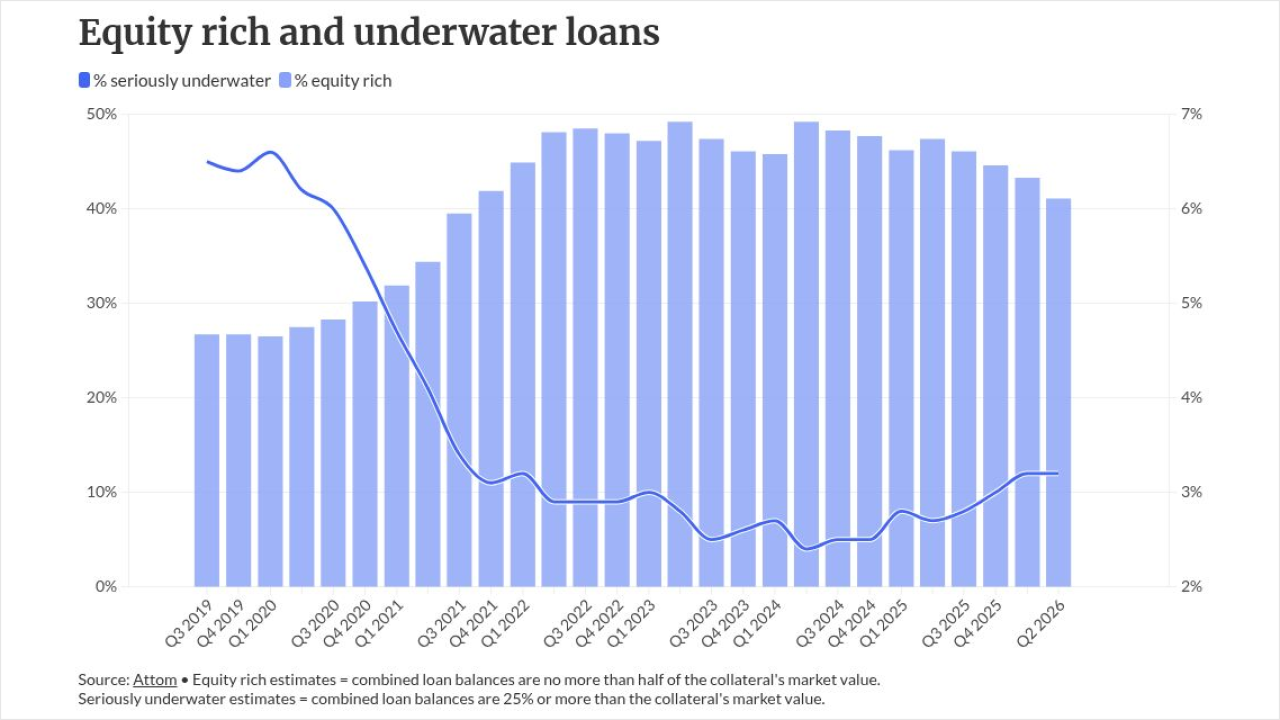
-
The notes will be issued off of a pool of 3,525 first- and junior-lien revolving HELOCs that were recently originated. The deal will repay investors on the 25th of each month, and notes have a stated final maturity date of July 2056.
 August 18
-
So far this year, the volume of closed-end second and home equity line of credit securitizations is near last year's $29 billion, Bank of America Securities said.
 July 27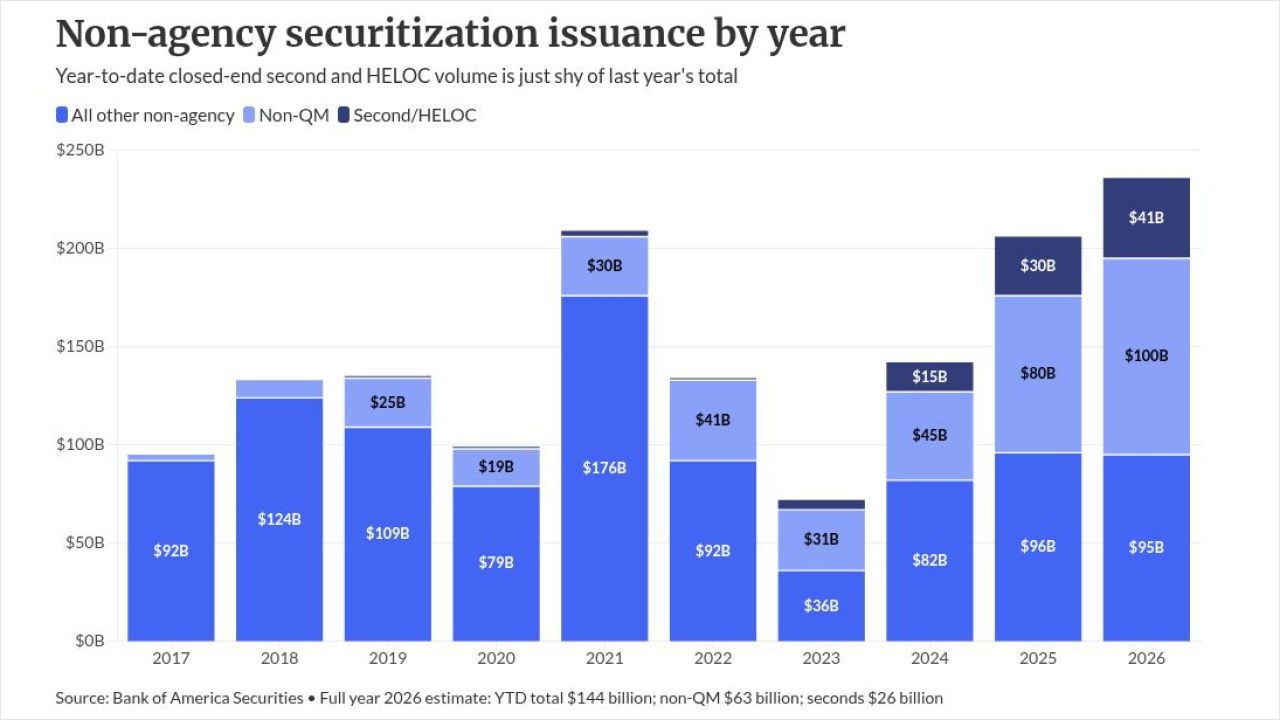
-
A new class action lawsuit accuses the banking giant of failing to lower borrowers' interest rates following a series of Federal Reserve rate cuts.
 July 9
-
Figure Lending originated the HELOCs using the FICO 9 scoring model, which treats medical debt, rental payments and repaid collection accounts differently.
July 7
-
The share of warehouse lenders offering funding lines and sublimits for seconds has risen to new heights according to a Mortgage Bankers Association survey.
June 9
-
Eligible purchases with the Better Home Equity Card, which lets homeowners instantly spend funds drawn from a home equity line of credit, earn 1% cashback.
 April 29


The first three months of the year coincide with the start of President Donald Trump's second term in office. Investors are likely to be more interested in banks' outlooks amid swings in tariff policy than the first-quarter results.


