
-
Equifax agreed to resolve allegations that it failed to conduct proper investigations of consumer disputes, ignored evidence and allowed previously deleted inaccuracies to be reinstated on credit reports. The credit reporting bureau also shared inaccurate credit scores and data about consumers with lenders.
January 17
-
Two trade groups filed a lawsuit against the Consumer Financial Protection Bureau claiming it exceeded its authority and ignored the legislative history on medical debts.
January 8
-
Experian said it has gone "above and beyond the law" to investigate consumer disputes related to the accuracy of information.
January 7
-
The Consumer Financial Protection Bureau finalized a rule that will remove medical bills from credit reports to end what the bureau called "coercive debt collection practices."
January 7
-
The Consumer Financial Protection Bureau's proposal to eliminate medical debts from credit reports is under attack from debt collectors, which claim the rule will drive up litigation costs and drive doctors out of business.
July 15
-
Banks and financial institutions face a barrage of lawsuits from consumers alleging they failed to investigate inaccurate information on a credit report. Industry blames the uptick in litigation on social media sites and the proliferation of credit repair companies.
June 26
-
Fifteen million Americans who owe a combined $49 billion in medical debt would benefit from a proposal by the Consumer Financial Protection Bureau to scrub medical debts from credit reports and ban their use in underwriting decisions.
June 11
-
At an industry conference, Consumer Financial Protection Bureau Director Rohit Chopra said he was open to suggestions on how to increase choice and competition to benefit mortgage lenders and borrowers.
May 20
-
The company has linked tradeline information to lien data in ways designed to help mortgage portfolio managers keep pace with property values as they change.
January 10
-
Some proposed changes to uniform mortgage-backed securities, apartment loans and derivatives will be made while one involving credit reports and scores was pulled.
November 21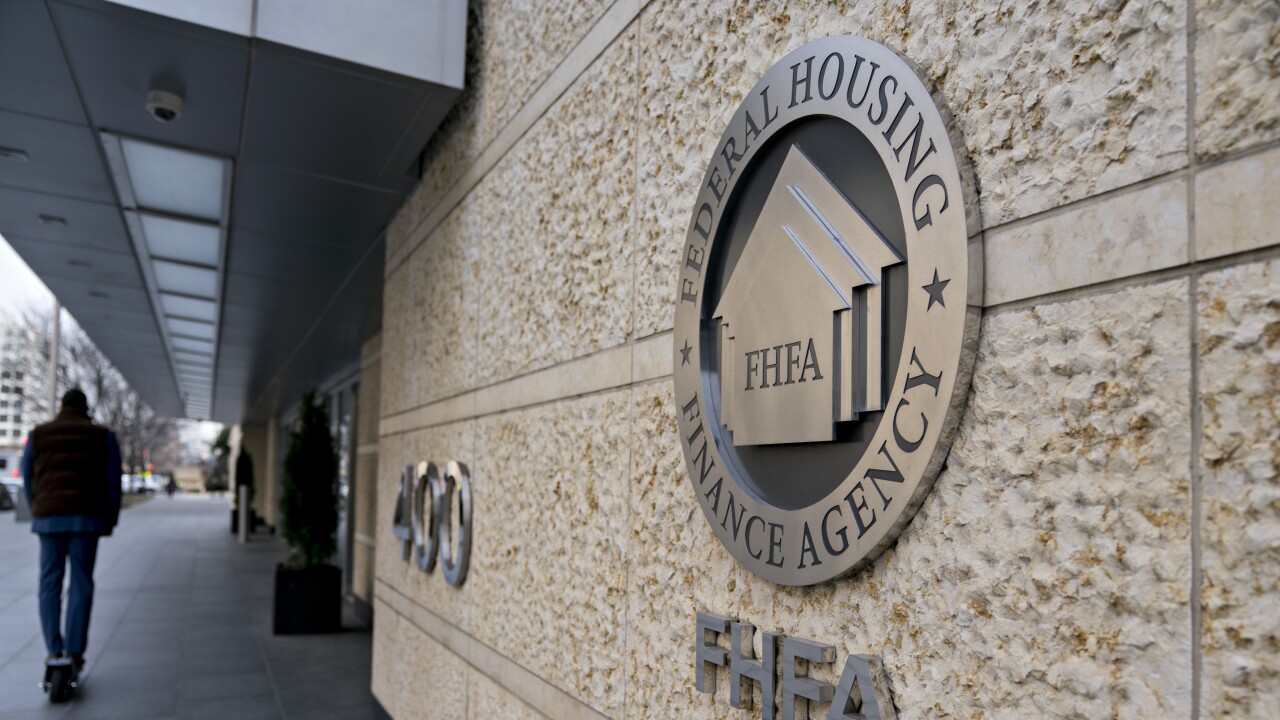
-
The program helped more than 23,000 consumers establish credit scores in its first year through partnerships with three fintechs, all of which were chosen to renew their participation.
November 14
-
Rather than adding the option of using two rather than three prior to score updates, the company suggested the former functionality be added after or scrapped.
November 3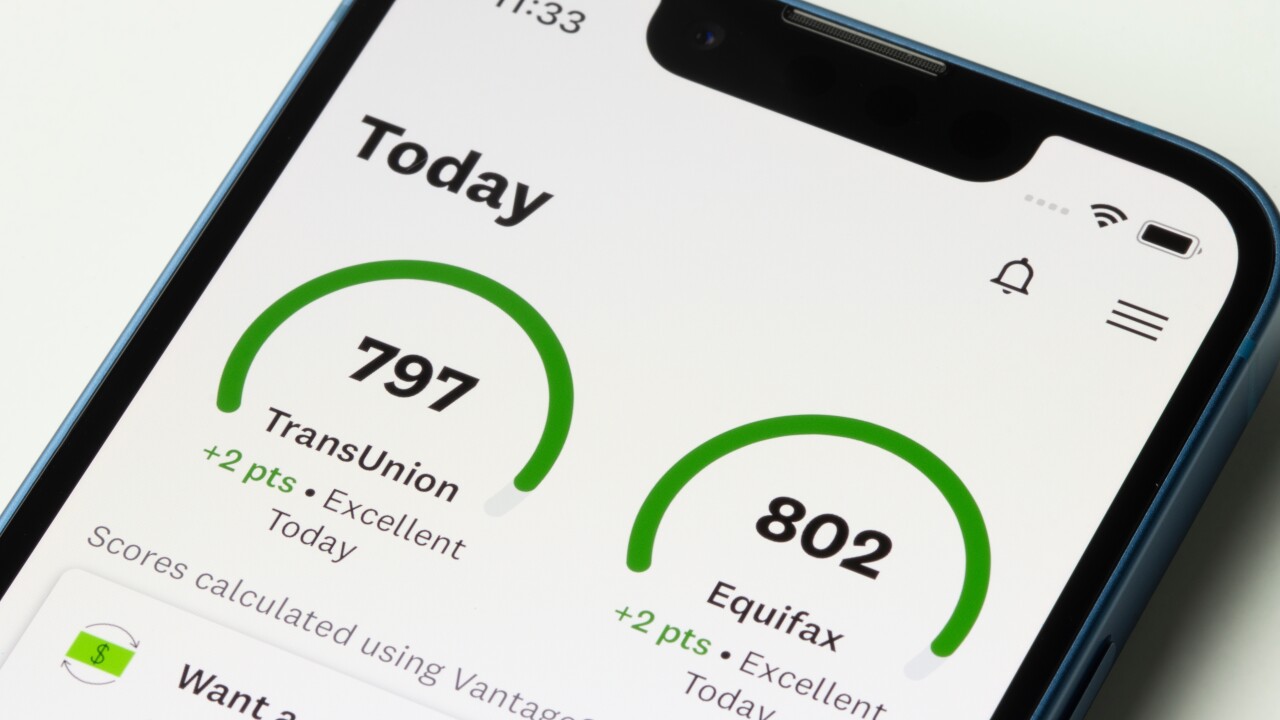
-
An analysis of previously released S&P data suggests the Federal Housing Finance Agency's initiative would have mixed impacts on the price of loans and eligibility that vary by individual.
October 16 -
The Federal Housing Finance Agency also is offering more opportunities for public dialogue as stakeholders debate how fast the process should move forward.
September 11
-
The Federal Housing Finance Agency is adding advanced models that include rental payment histories and trended data, but others tap cell phone or consumer-permissioned bank data.
August 17
-
Removing such debt information from consumer reports generated an uptick in home loan inquiries in one study and other industries have found advanced score use pays off.
August 16
-
Industry executives coming off a tough year are wondering what the transition will cost and how many borrowers it'll bring in.
August 15
-
This first step in updating borrower assessments was seen as the easiest and could reduce costs, but stakeholders fear change that reduces data inputs.
August 14 -
Transgender and nonbinary people who switch their names to fit their gender identity must send documentation to all three national credit bureaus in order to avoid a hit to their credit — and many aren't aware of the need to do so.
June 29
-
Lenders who have started using these have saved up to 71% compared to all hard inquiries, Blend's co-founder says.
May 17 Blend
Blend


