
-
The agency’s final rule modernizing the Fair Debt Collection Practice Act limits calls to seven per week, but collectors won stronger protections from liability claims and other key changes to the original proposal.
October 30
-
The agency’s consolidation of supervision and enforcement policy into one office could compromise the independence of those deciding when to investigate alleged wrongdoing by banks and others, critics of the move say.
October 22
-
The agency sought to provide certainty that most actions from the past eight years remain in effect despite the ruling that the bureau's leadership structure is unconstitutional.
July 7
-
The Supreme Court threw out a key statutory provision concerning the agency’s leadership structure, but the presidential election and possible legislative reforms could bring about more changes to the embattled bureau.
June 29
-
With just 13 decisions remaining on the docket this session, the high court's highly anticipated ruling in a case challenging the agency's leadership structure could come as early as next Monday.
June 25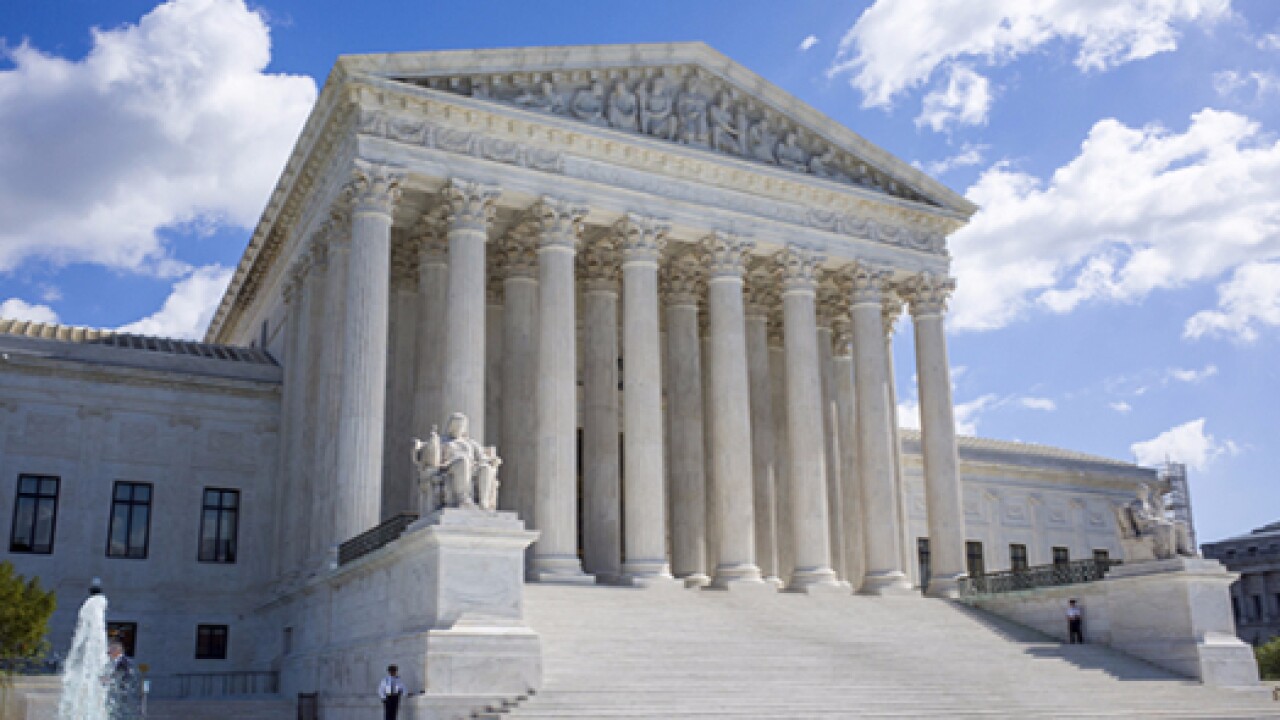
-
A lawsuit filed Tuesday argues that the bureau's establishment of the panel looking into regulatory changes violated the Federal Advisory Committee Act.
June 16
-
Democratic lawmakers, state attorneys general and others filed briefs with the Supreme Court rebutting claims that the agency’s leadership structure is unconstitutional.
January 24
-
The Supreme Court appointed Paul Clement to represent the agency after the bureau’s current director questioned its constitutionality.
January 15
-
The case before the court deals mainly with a statutory clause limiting the president’s ability to fire a CFPB director. But briefs filed with the court say striking that provision does not fully solve the bureau’s constitutional problems.
January 3 -
The agency’s director previewed a policy for companies under enforcement action to have their orders terminated if they comply ahead of schedule.
December 2
-
The agency’s director previewed a policy for companies under enforcement action to have their orders terminated if they comply ahead of schedule.
December 2 -
The high court scheduled oral arguments on March 3 in the lawsuit dealing with a president's ability to fire the head of the Consumer Financial Protection Bureau.
November 26
-
The 2015 decision posed new legal challenges for institutions trying to sell loans to third parties, but the federal regulatory agency proposed steps Monday for banks and debt parties to evade state interest rate caps.
November 18
-
Black Knight and PennyMac Financial Services are suing each other in separate disputes linked respectively to the latter's creation of a servicing platform and the former's dominant position in the market.
November 6
-
The Supreme Court is ready to weigh in on the CFPB’s leadership structure, but both agencies are facing similar constitutional challenges, suggesting a broader impact of any decision.
November 4
-
Will the justices go further than answering constitutional questions about the bureau's leadership structure?
October 21
-
The high court will decide how much latitude a president has to fire the director of an independent agency.
October 18
-
In her second day of congressional testimony, Kathy Kraninger took heat from Senate Democrats for weighing in on constitutional questions about her agency and for her enforcement track record.
October 17
-
CFPB Director Kathy Kraninger faced a barrage of questions from Democrats on the House Financial Services Committee over why the agency has not demanded refunds for consumers in recent settlements.
October 16
-
A list of upcoming cases published by the high court did not include a challenge to the bureau's constitutionality, but the justices could still decide to review it at a later date.
October 15


