-
A federal judge in Texas sided with bank trade groups, agreeing that bank regulators might have overstepped their authority in reforming parts of the Community Reinvestment Act.
April 1
-
The plaintiffs allege that the loan-mod errors in the case are different from the ones in two other proposed class-action lawsuits, which stem from a systems issue.
March 19
-
Top banking regulators reaffirmed their commitment to bolstering the Community Reinvestment Act despite a court challenge, emphasizing their personal dedication to seeing the rule implemented.
March 5
-
At issue is whether convenience fees for last-minute payments are governed by the Federal Debt Collection Practice Act, and if so, when they should be disclosed.
February 28
-
Litigation in the mortgage industry sees lenders and servicers featuring as both plaintiffs and defendants.
February 20 -
The original lawsuit was one of several filed in 2014 in a coordinated effort among federal and state regulators aimed at fraudsters trying to cheat distressed mortgage borrowers.
February 8
-
Banks historically have been averse to challenging their regulators in court, but a suit over the recently finalized Community Reinvestment Act implementation rules is a signal that the times have changed.
February 7
-
The Independent Community Bankers of America, American Bankers Association and other groups filed a lawsuit arguing that recent reforms to implementing regulations for the Community Reinvestment Act exceed statutory authority.
February 5
-
First National Bank of Pennsylvania, a unit of FNB Corp., ran into trouble in connection with North Carolina operations it acquired from Yadkin Financial in 2017.
February 5
-
The megabank failed to adequately protect and reimburse customers who were victims of wire-transfer fraud, according to a lawsuit by the New York Attorney General. Citi said that it follows all relevant laws and regulations.
January 30
-
Over 70 loans were allegedly sent to competitors by the independent mortgage banker, a suit filed by UWM alleges.
January 30
-
By overturning so-called "Chevron deference," the Supreme Court could compel lawmakers to be less ambiguous in their legislative language, limiting agencies' interpretative power.
January 18
-
The Supreme Court will hear oral arguments in two cases seeking to overturn the legal principle known as "Chevron deference," that could usher in a new era of litigation by corporations against government agencies.
January 16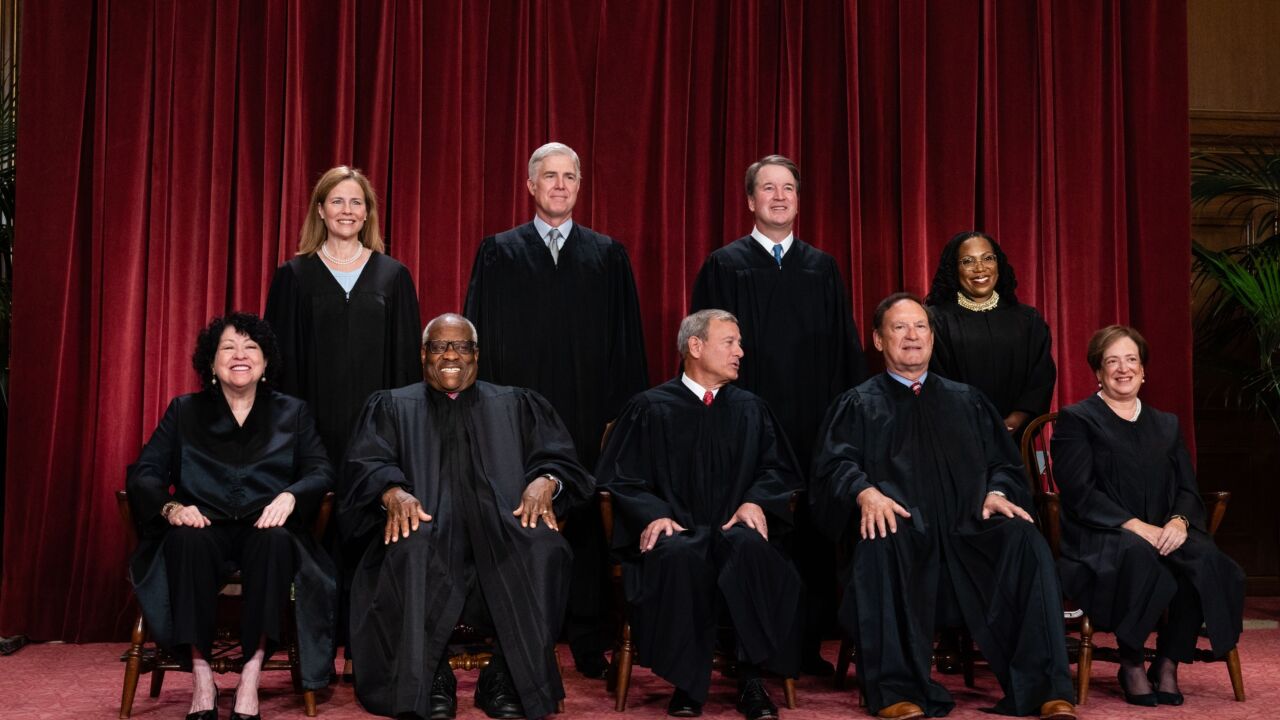
-
A coalition of financial trade groups issued a joint comment letter asserting that the federal bank regulators' proposed capital rule lacked justification and evidence required by the Administrative Procedure Act, threatening legal action if regulators don't delay and significantly amend the rule.
January 12
-
The Justice Department and the Consumer Financial Protection Bureau are suing a real estate developer over an alleged bait-and-switch land-sale scheme near Houston. The developer used TikTok and other social media sites to lure Hispanic immigrants into predatory loans, the government alleges.
December 20
-
Banks and dissenting policymakers have raised the possibility of challenging regulators' Community Reinvestment Act overhaul in court, but it remains unclear whether they intend to walk the walk.
October 25
-
In a case challenging the funding of the Consumer Financial Protection Bureau, justices across the political spectrum questioned where — and whether — the Constitution placed limits on Congress' power to delegate funding for federal agencies outside of annual appropriations.
October 3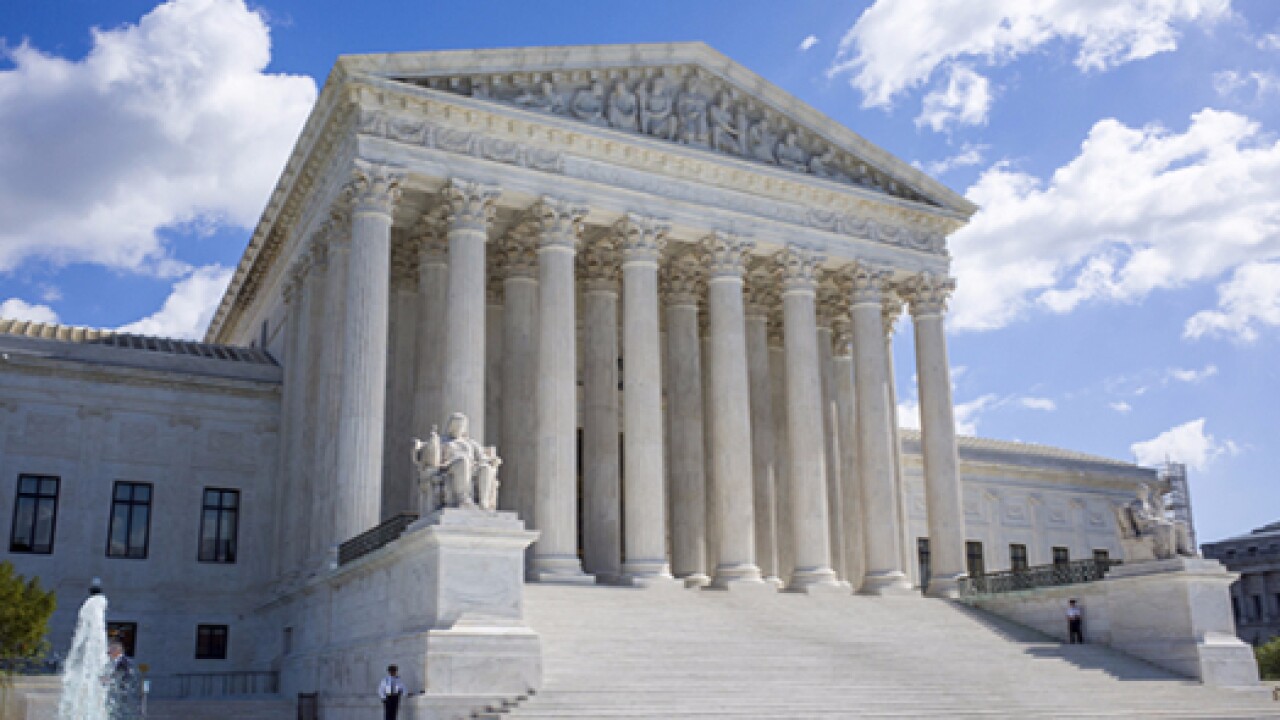
-
The head of the Consumer Financial Protection Bureau defended the agency and its mortgage rules in particular on the 15th anniversary of the collapse of Lehman Brothers.
September 12
-
A district court judge ruled that Congress did not give the Consumer Financial Protection Bureau broad authority to look for discrimination, putting a major dent into the bureau's efforts to apply anti-discrimination principles to non-lending products such as advertising.
September 10
-
The settlement resolves allegations dating to 2014 and covers 85 minority employees who alleged they were paid lower wages than their white counterparts and faced retaliation.
September 6