
-
Consumer advocacy group Better Markets filed a lawsuit in federal district court Thursday claiming the Federal Reserve's top regulator coached bankers on how to comment on proposed capital rules in "secret meetings."
 September 10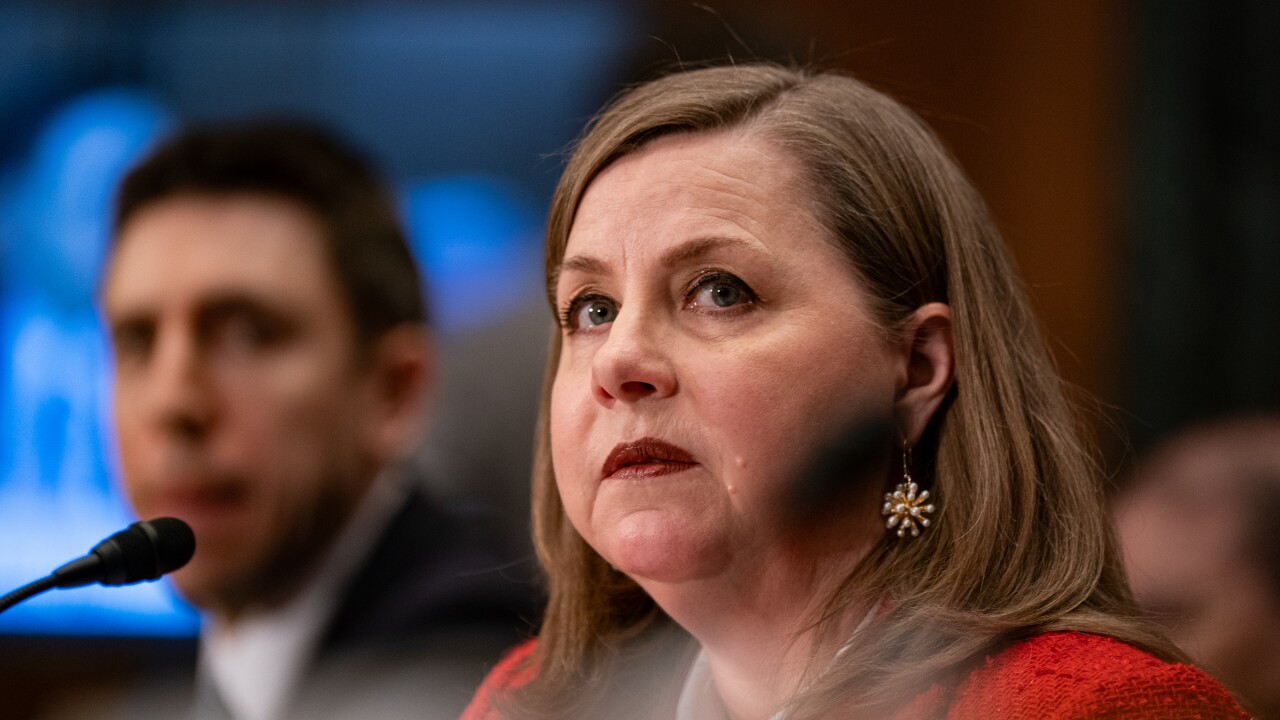
-
JPMorganChase and Bank of America raised concerns about the proposed removal of risk-weighted assets from the denominator of the short-term wholesale funding component of the GSIB surcharge — changes backed by Goldman Sachs and Morgan Stanley.
 June 26
-
Federal regulators issued proposals Thursday to implement the final elements of the Basel III accords, adjust the global systemically important bank surcharge and implement standardized approaches for risk-weighted assets. The changes would reduce capital requirements for banks of all sizes affected by the rules.
 March 19
-
Federal Reserve Vice Chair for Supervision Michelle Bowman outlined upcoming changes to the bank regulatory capital framework in a speech Thursday, focusing on streamlining bank capital requirements through Basel III and global systemically important bank surcharge rules.
March 12
-
Federal Reserve Vice Chair for Supervision Michelle Bowman said in comments Wednesday that the central bank plans to publish its Basel III endgame capital proposal for public comment before the end of March.
February 18
-
Federal Reserve Vice Chair for Supervision Michelle Bowman said in a speech Monday morning that the central bank will introduce two capital proposals that she said are aimed at boosting banks' role in the mortgage market.
February 16
-
In a relatively mild oversight hearing in the House Financial Services Committee Tuesday morning, regulatory heads at the Federal Reserve, Office of the Comptroller of the Currency, National Credit Union Administration and Federal Deposit Insurance Corp. outlined plans for reduced capital requirements and debanking enforcement.
 December 2
-
The Federal Reserve Friday issued a set of proposed changes to its stress testing program for the largest banks that would disclose the central bank's back-end stress testing models, a move that the Fed had long opposed out of fear of making the tests easier for banks to pass.
October 24 -
Senate Banking Committee ranking member Elizabeth Warren, D-Mass., led a group of congressional Democrats in a letter to bank regulators telling them that loosening capital rules wouldn't improve the Treasury market's functioning.
September 29
-
The ranking Democrat on the Senate Banking Committee said growing uncertainty and risks in the financial system mean the central bank should increase the countercyclical capital buffer for the nation's largest lenders.
August 8
-
The largest U.S. banks took less of a capital hit under the Federal Reserve's hypothetical stress scenario than they did last year, but averaging the two sets of results could impact next year's regulatory requirements.
June 27
-
As the Federal Reserve considers changes to the supplemental leverage ratio, Fed Board Chair Jerome Powell said that effort is one piece of a broader deregulation package that will also address the Basel III capital rules.
June 25
-
Federal Reserve Chair Jerome Powell testified in the House Tuesday on the heels of yet another pointed social media post from President Donald Trump. But House Republicans largely avoided landing political blows against the central bank chair.
June 24
-
The Federal Reserve's vice chair for supervision said changes to the supplemental leverage ratio are needed to bolster the Treasury market and ensure banks are not incentivized to take on excessive risks.
June 23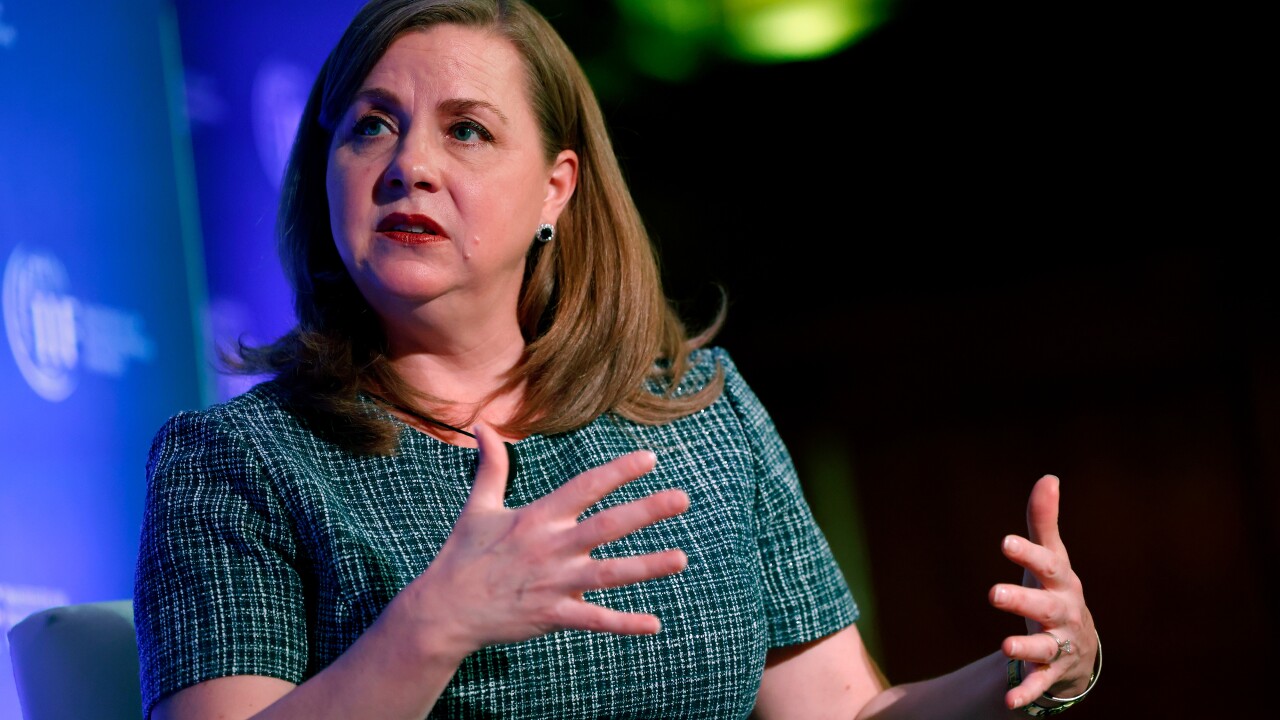
-
The past two Federal Reserve vice chairs for supervision failed to implement the final installment of the Basel III capital framework. Newly installed Vice Chair for Supervision Michelle Bowman is taking a new approach to the thorny question of bank capital.
June 11
-
In her first speech since being confirmed as the Federal Reserve's vice chair for supervision, Michelle Bowman outlined a set of ambitious pursuits that would overhaul bank regulation and examination.
June 6 -
Acting Comptroller of the Currency Rodney Hood signals rollback of key safeguards like the supplemental leverage ratio, aligning with administration's push to ease bank capital demands and spur credit.
 June 3
-
The Federal Reserve, Federal Deposit Insurance Corp. and Office of the Comptroller of the Currency took a measured approach to developing the international capital standards, according to a Government Accountability Office report.
March 26
-
Known as a pragmatic moderate before arriving at the Fed, Vice Chair for Supervision Michael Barr is now synonymous with an aggressive and divisive approach to bank regulation. Can he still accomplish his goals under President Trump?
December 16
-
The new chair of the Basel Committee on Banking Supervision called for member nations to finish the job of implementing post-financial crisis regulations. He also warned them not to put economic goals over safety considerations.
October 23


