
-
Steel, aluminum, and automobiles already subject to Trump's duties will not face reciprocal tariffs. Lumber products expected to soon be hit with a tariff investigation will also be exempt.
April 2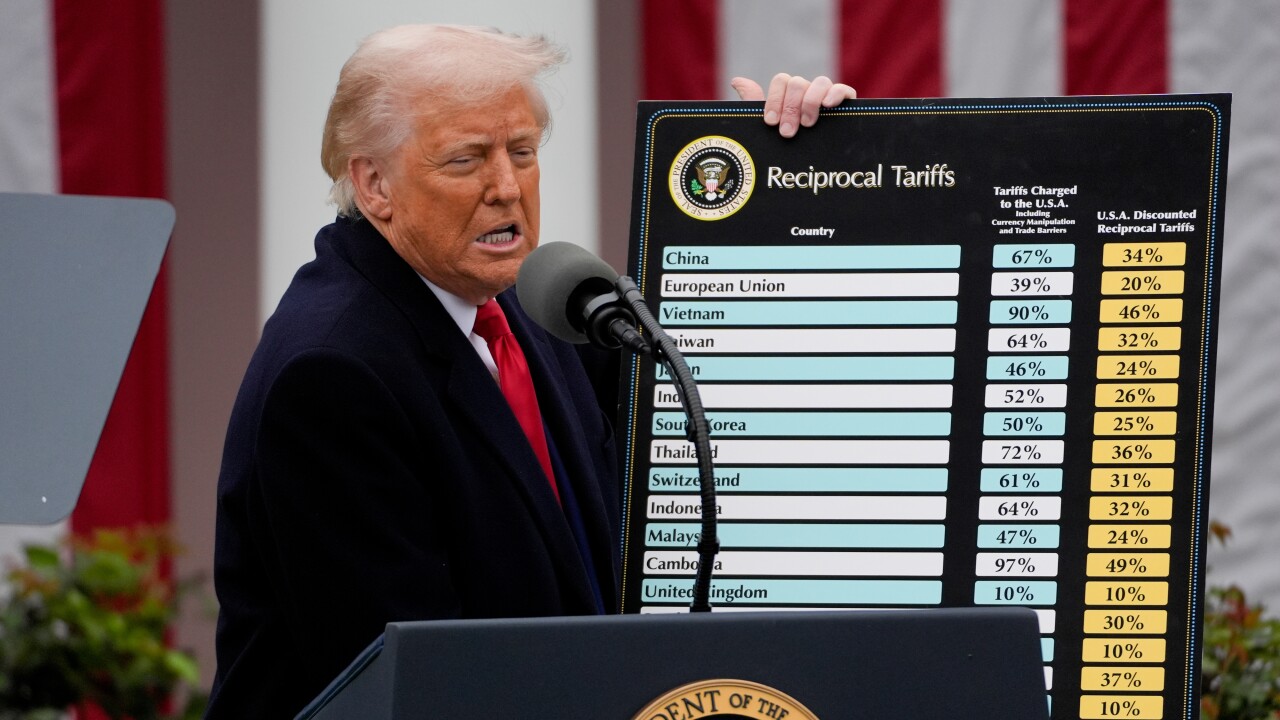
-
Some members of the Senate, where the GOP majority is thinner, also are asking the Federal Housing Finance Agency to reveal more about planned mortgage reforms.
 April 2
-
The housing regulator has been mum on details about its reshuffling, but Secretary Scott Turner has emphasized mission-critical functions would persist.
 April 2
-
A three-judge panel will hear an appeal by the Trump administration of a preliminary injunction that has blocked the government from dissolving the Consumer Financial Protection Bureau.
 April 2
-
The measure applies to mortgages closed in the months prior to the Southern California wildfires, which are now experiencing early-stage distress.
 April 2
-
An Internal Revenue Service division that helps authorize the release of tax transcripts used in lending through form 4506-C is tied to core functions.
April 2
-
The Trump administration is leapfrogging the normal process by taking its fight over a district court injunction blocking efforts to shut down the Consumer Financial Protection Bureau to a federal appeals court, according to the CFPB workers' union.
April 1
-
Former Capital One Multifamily executive Grace Huebscher departed recently and the Federal Housing Finance Agency appointed a successor amid broader reform.
March 31
-
The Trump administration continues to battle the Consumer Financial Protection Bureau's union by seeking a stay of a preliminary injunction that reinstated the CFPB's workforce and contracts and preserved its data.
March 31
-
Policy shifts and economic headwinds could reshape mortgage finance under Trump II says the Chairman of Whalen Global Advisors.
March 30 Whalen Global Advisors LLC
 -
The government conservatorship of Fannie Mae and Freddie Mac wasn't meant to last forever, but releasing the companies is complicated and should involve a diffident Congress, housing policy experts said during a Federal Reserve Bank of Atlanta housing panel.
 March 28
-
A federal judge granted a preliminary injunction that preserves the Consumer Financial Protection Bureau's existence, reinstates fired employees and contracts, requires data be preserved and mandates that employees go back to work.
March 28
-
The Federal Reserve governor said it is healthy to examine the regulatory architecture, but stressed the importance of the central bank having insight into the banking system.
 March 28
-
The new state law can't ban the calls outright, but requires solicitors to disclose to mortgage consumers their identity and how they purchased the lead.
March 28
-
The Treasury Department told the OMB that all 11 programs in the CDFI Fund are statutorily mandated. The White House said "no final decisions have been made" about the programs.
 March 28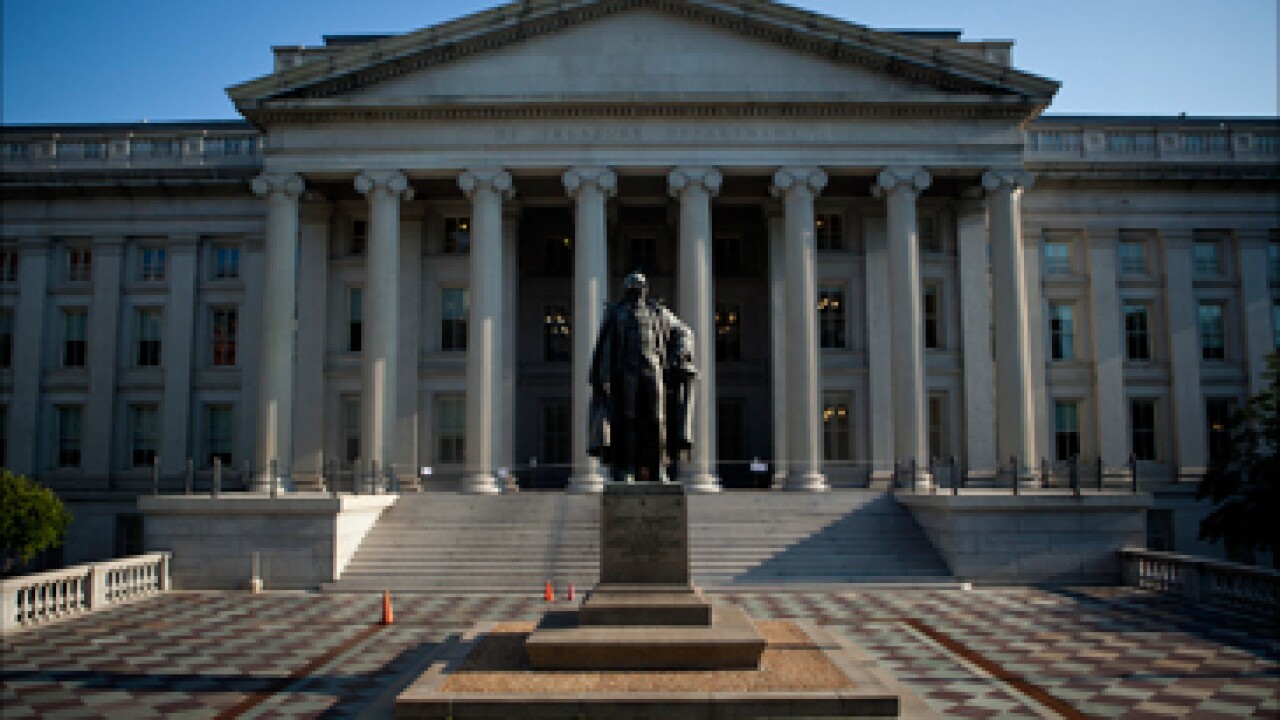
-
The Federal Reserve, the Federal Deposit Insurance Corp. and the Office of the Comptroller of the Currency say they will move to rescind a 2023 reform to the Community Reinvestment Act, citing litigation concerns about the rule.
March 28
-
Perspective homebuyers with work visas, asylum seekers and DACA recipients seeking the government-backed mortgage will be impacted by this sweeping change.
 March 27
-
The most tangible concern is in the commercial real-estate market. But the rating agency's crystal ball is cloudy when it comes to single-family home loans.
March 27
-
The Senate Banking Committee considered the nomination of Paul Atkins to lead the Securities and Exchange Commission, whose track record on deregulation in the lead up to the 2008 financial crisis was questioned by Democratic lawmakers. Lawmakers also considered the nomination of Jonathan Gould to lead the Office of the Comptroller of the Currency and Luke Pettit for a key bank regulatory role at Treasury.
March 27
-
Uncertainty is ruling the markets that are used to set mortgage rates and as a result, they remained in the same tight range since the start of the month.
 March 27


