
-
State agencies supervise about 79% of U.S. banks. Their umbrella group just published the questions, documents and risk tiers examiners may use.
 September 16
-
Christopher Peterson, a law professor at the University of Utah and former senior advisors at the Consumer Financial Protection Bureau, is the latest top hire for a Democratic state stepping up consumer protection.
 July 28
-
The Consumer Financial Protection Bureau has finalized changes to Regulation B, which implements the Equal Credit Opportunity Act, to eliminate any liability for indirect discrimination by lenders. The change represents a major shift in how the agency polices lending discrimination.
April 22
-
Banks are pushing back on the Consumer Financial Protection Bureau's draft of a five-year strategic plan, which includes a notable pullback from supervising nonbanks.
April 20
-
The real estate firm resolved two other NTRAP lawsuits in late 2025 and may find itself in front of another following a recent Nevada investigation.
 March 12
-
The Consumer Financial Protection Bureau has backed off enforcement and supervision of consumer protection laws, leaving states to fill the void — and potentially creating a "patchwork" of state laws that banks will have to comply with.
January 21 -
As commissioner of Virginia's Bureau of Financial Institutions since 1997, Joe Face emphasized strengthening the dual banking system.
 December 29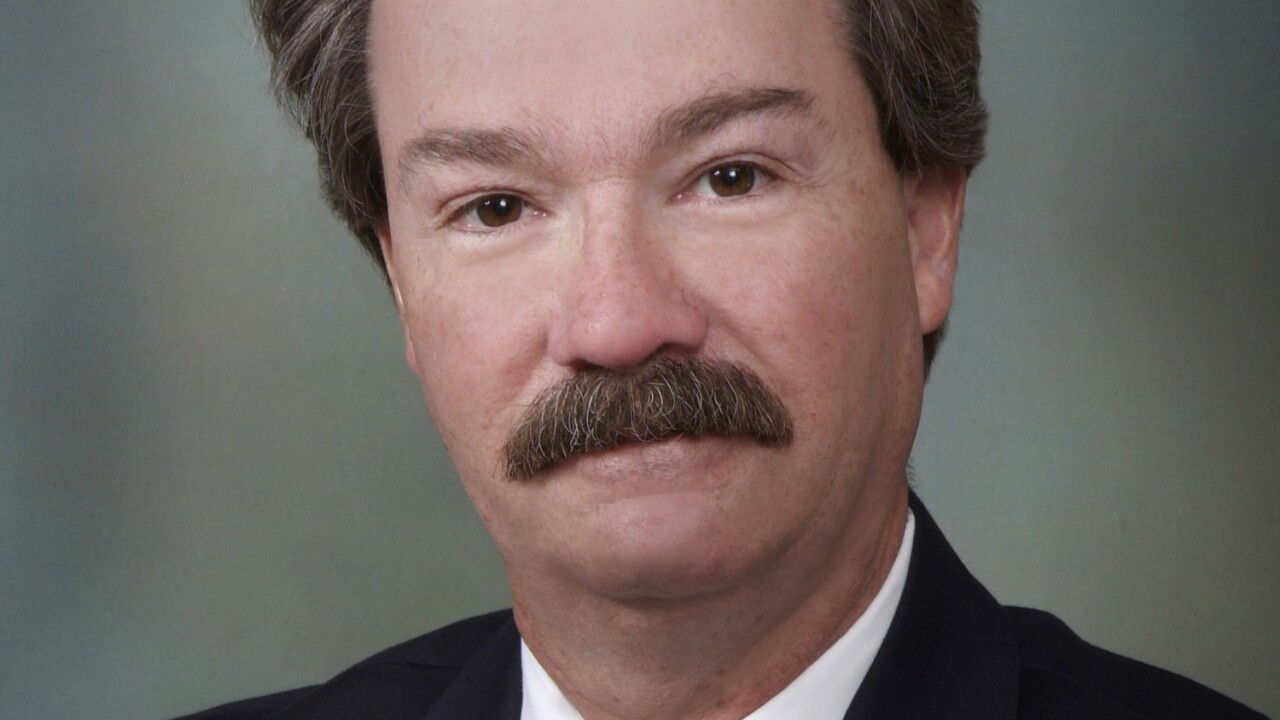
-
The bill's signing comes weeks after one of the most notorious NTRAP providers agreed to legal settlements in two states, nullifying existing contracts.
December 17
-
In the New Jersey case, MV Realty and its principals agreed to pay $28 million in fines and restitution for these "Homeowner Benefit Agreements."
 December 2
-
The Ocean State is the latest to enact rules prohibiting the agreements that end up tying older homeowners to long-term contracts with real estate brokers.
July 15
-
The law would have expanded the state's 12% interest rate cap in a manner that would have effectively banned fintech lending in the state.
 March 25
-
California's Department of Financial Protection and Innovation is requiring registration by mid-February of debt settlement firms, earned wage access providers, private secondary education financing and student debt relief services.
October 24
-
The memorandum creates channels for sharing information about nonbanks between the Federal Housing Finance Agency and the Conference of State Bank Supervisors.
 April 10
-
The Old Dominion State has joined 30 others with pending or existing legal protections against the real estate agreements, which affect the right to sell.
February 29
-
States have the option of adopting the oversight framework issued by the Conference of State Bank Supervisors, which resembles capital and liquidity plan proposed by the Federal Housing Finance Agency.
July 27
-
Manny Alvarez, the head of California’s Department of Financial Protection and Innovation, told staff that he plans to leave on June 18. Chief Deputy Commissioner Chris Shultz will be appointed to lead the agency on an interim basis.
June 4
-
The CFPB’s allegations are similar to unresolved accusations Connecticut first levied against the company in 2018.
January 15
-
The new complaint filed by the lender in the state’s Superior Court is aimed at compelling a January decision on the 2018 allegations.
January 13
-
The FHA’s deadline was extended as part of its latest renewal of other coronavirus-related contingencies. The move follows a request from state regulators to provide ample notice of the forbearance program’s expiration.
December 22
-
The complaint dates back to 2014 state regulator examinations when the Dallas company was known as Nationstar.
December 7


