-
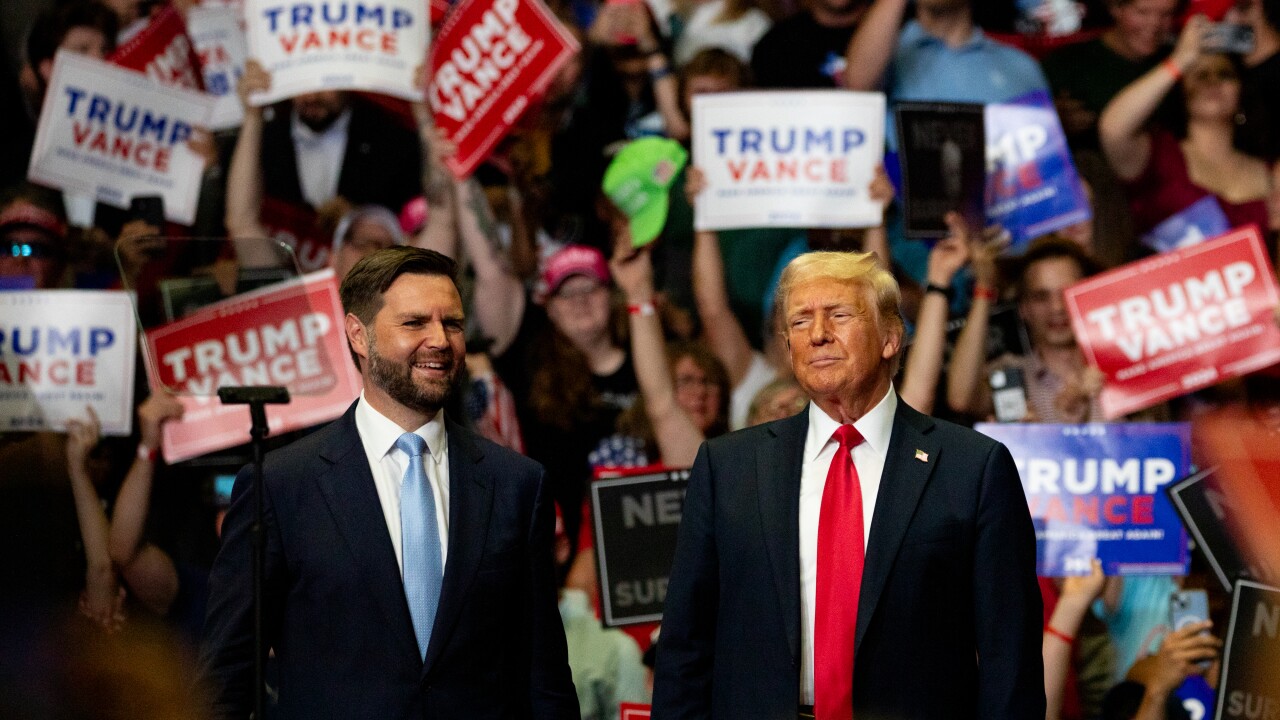
The Federal Reserve's vice chair for supervision said changes to the supplemental leverage ratio are needed to bolster the Treasury market and ensure banks are not incentivized to take on excessive risks.
 June 23
-
The declines on Thursday pushed two- to 10-year yields higher by at least 10 basis points on the day after President Donald Trump urged people to buy stocks based on the latest trade developments.
May 9
-
The "Sell America" trade that gripped markets this month has left a potentially lasting dent in investors' willingness to hold the US government's longest-maturity debt, a mainstay of its deficit-financing toolkit.
April 28 -
Long-maturity Treasury yields tumbled Wednesday as part of a broader rally in dollar-denominated risk assets, after US President Donald Trump said he wasn't inclined to fire the head of the Federal Reserve and suggested tariffs on Chinese imports could drop.
April 23
-
Moody's Corp., a company that grades bonds and analyzes corporations' financial performance, said it expects to earn less this year than it had previously forecast.
April 22
-
Bessent reiterated his interpretation of the decline being mainly a product of deleveraging, saying he had no evidence that sovereigns were behind the drop.
April 14
-
A pullback from US Treasuries sent longer-term yields surging by the most since pandemic struck in 2020, deepening losses in what's supposed to be a haven from financial turmoil and roiling markets abroad as investors sell government bonds to raise cash.
April 9
-
Treasuries gained for a sixth straight session. Morgan Stanley say the 10-year has scope to fall back below 4% if the prevailing view on the Fed shifts.
February 26
-
The confabs are a sign that Republicans are getting serious about negotiating the contours of a tax deal, even as the House and Senate are pursuing separate strategies.
February 24
-
The overall price drop was offset by interest payments, allowing a broad gauge of the Treasury market to post a gain of about 0.7% this year through Dec. 30.
December 31
-
The economist, who runs Roubini Macro Associates, is positioning for a curve steepener, a popular Treasuries trade where the gap between long- and short-dated yields widens.
November 27
-
Tuesday's declines lifted yields by one to four basis points across maturities after Trump said he'd impose additional 10% tariffs on goods from China and 25% tariffs on all products from Mexico and Canada.
November 26
-
Treasury yields rose the day after President-elect Donald Trump was picked. The short-term result: It's harder for commercial real estate lenders and borrowers to find common ground.
 November 15
-
Wall Street are paring back bets on aggressive policy easing as the U.S. economy remains robust and Fed officials have sounded a cautious tone over the pace of future rate decreases.
October 22
-
Treasuries rallied the most in two weeks as tumbling oil prices eased concerns about an uptick in inflation.
October 15
-
Treasuries are sliding after companies added more jobs than expected last month, sending a mixed signal to traders who are watching the labor market for signs the Federal Reserve needs to aggressively cut interest rates.
October 2
-
There's been a marked change in trading volume over the past four years at that time as well as a drop in transaction costs that coincide with the growth of passive funds that track index changes.
September 24
-
Treasuries have returned 1.7% this month through Aug. 28, on pace for a fourth straight monthly gain, according to the Bloomberg US Treasury Total Return Index.
August 29
-
Both Vanguard Group Inc. and Fidelity International have said a Republican sweep in November would pose the greatest risk to bonds by expanding Trump's ability to implement his agenda, some of which is also expected to contribute to higher inflation.
July 21
-
Investors are set to start the week scrambling to decide if President Joe Biden's decision to end his reelection campaign and endorse Vice President Kamala Harris increases or decreases Donald Trump's chances of regaining power.
July 21