
Federal Reserve
Federal Reserve
-

President Donald Trump's threats to fire Federal Reserve Chair Jerome Powell have had a significant impact on financial markets, Goldman Sachs Chief Economist Jan Hatzius said.
April 22 -

Federal Reserve officials want to see how exactly new trade policies impact the U.S. economy before adjusting interest rates. Markets and monetarists have different ideas about what that might look like.
April 8 -

The central bank wants to let Trump's policies play out across the economy before deciding which way to move interest rates, and it's too soon to know what the impacts will be, the Federal Reserve chair said.
April 4 -

The Federal Reserve governor said it is healthy to examine the regulatory architecture, but stressed the importance of the central bank having insight into the banking system.
March 28 -

The personal consumption expenditures index showed headline inflation flat at 2.5%, but the details of the report explain the Federal Reserve's reluctance to adjust interest rates.
March 28 -

Bostic now sees price growth returning to the Fed's 2% goal at some point in early 2027.
March 24 -

The Federal Reserve governor voted against the decision to slow the pace of balance sheet reduction earlier this week, preferring to allow the current pace of reduction.
March 21 -

Get expert analysis of the May FOMC meeting, inflation outlook, and Powell's comments.
-

President Trump's selection of Federal Reserve Gov. Michelle Bowman as the next vice chair for supervision comes as banking groups and their allies in Congress asked the administration to fill the position quickly. Bowman was the preferred choice for many in the industry.
March 17 -
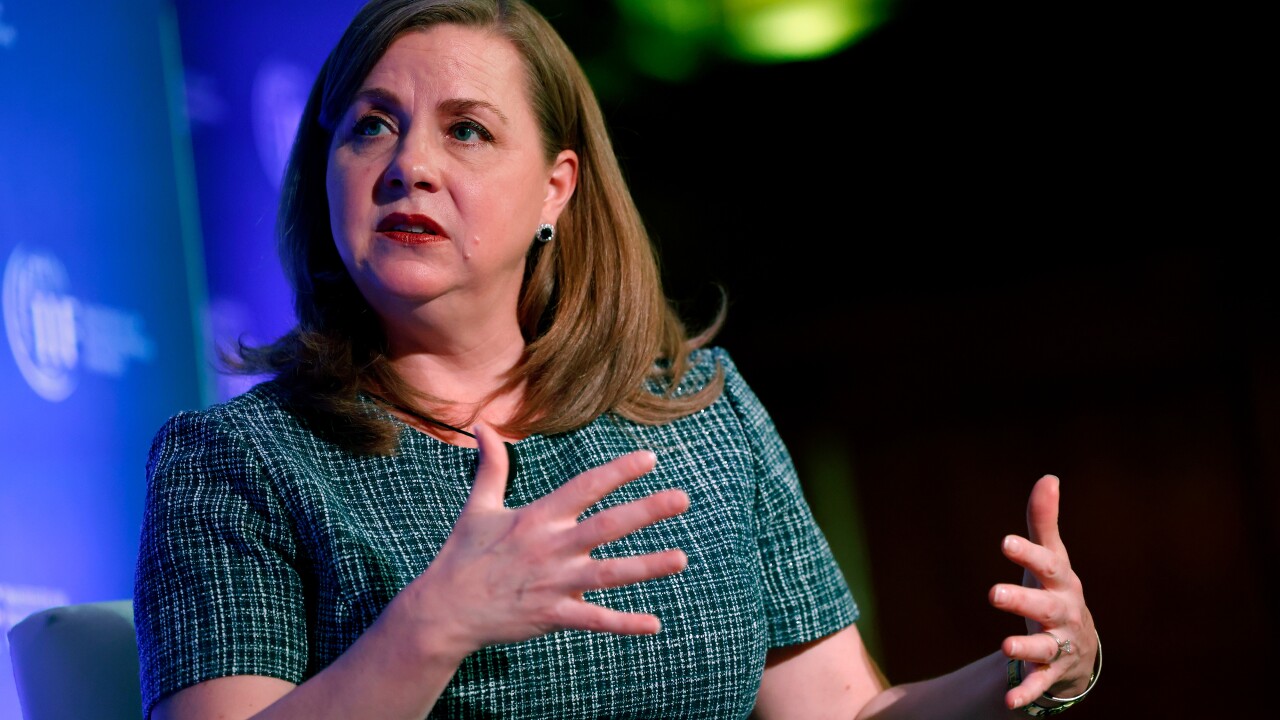
The president is likely to nominate Federal Reserve Gov. Michelle Bowman to be the central bank's next vice chair for supervision, a post vacated by Michael Barr.
March 12 -
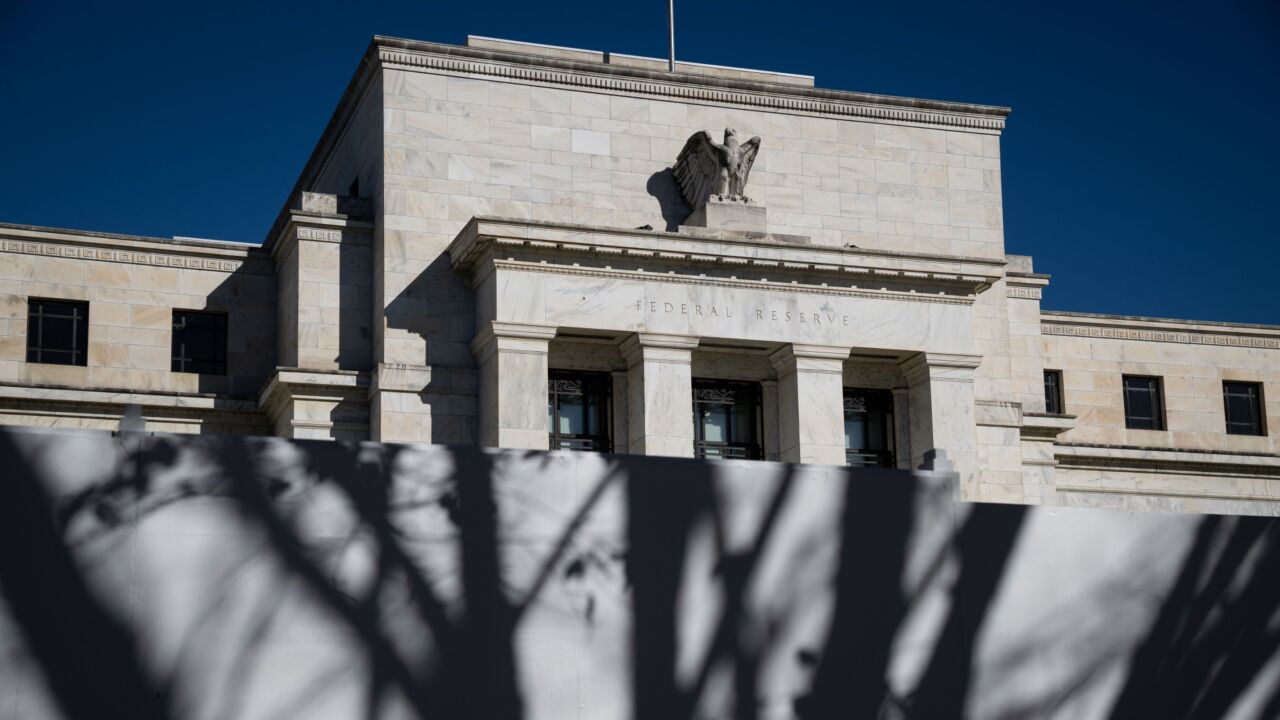
In a positive sign for the economy, headline inflation slowed in February. But the reading alone likely is not enough to break the Federal Open Market Committee out of its wait-and-see mode.
March 12 -

Federal Reserve Chair Jerome Powell emphasized the need for patience amid uncertainty over the Trump administration's policies, saying there would be no immediate rate changes but that the Fed would proceed carefully.
March 7 -

Federal Reserve Gov. Michelle Bowman, one of the central bank's more inflation-wary officials, said the balance of risks for monetary policymaking could soon shift.
March 7 -

President Donald Trump's new executive order could have dramatic implications for bank regulation by subjecting agencies to White House political control.
February 18 -

Mike Goosay, Chief Investment Officer of Global Fixed Income at Principal Asset Management, breaks down the Federal Open Market Committee meeting, Chair Powell's press conference and the SEP.
-

Federal Reserve Chair Jerome Powell said insurance companies and banks are already pulling out of disaster-prone areas, which could pose problems.
February 12 -

The Federal Reserve is set to refrain from cutting interest rates for "quite a while," following a hotter-than-expected inflation report, according to Mohamed El-Erian.
February 12 -

As the Federal Reserve's overnight reverse repurchase agreement program nears zero, pressure could mount on the central bank to slow or stop its asset runoff as it fights inflation.
February 5 -

Strong economic growth coupled with a solid labor market allows officials to wait for further evidence of cooling inflation before adjusting rates again. It also offers them time to evaluate President Donald Trump's policies.
January 29 -

Mortgage experts were expecting the first FOMC meeting under President Trump would have more significance in the long run than short-term, with some wild cards.
January 29


