
Federal Reserve
Federal Reserve
-

The Federal Open Market Committee thinks that confusing everyone completely is good for confidence, that intangible but entirely necessary ingredient for financial stability, writes the Chairman of Whalen Global Advisors.
May 7 -

What ultimately keeps the balance-sheet reduction going, the bank said, is the fact that the Federal Reserve will likely be undeterred by any brief spikes in a key overnight funding benchmark — the rate on overnight repurchase agreements.
May 6 -

The Federal Open Market Committee held the federal funds rate at current levels, citing "lack of further progress" toward meeting inflation goals.
May 1 -

Recent economic data have shown inflation stubbornly above the Fed's 2% target, putting rate cuts in jeopardy. Lauren Saidel-Baker, an economist with ITR Economics, parses the FOMC meeting, Chair Powell's press conference and takes a look at future policy.
-

The Federal Reserve's Office of the Inspector General says the Fed has yet to fulfill 65 recommendations, and also identified 18 outstanding issues at the Consumer Financial Protection Bureau.
April 22 -

The Federal Reserve chair's comments coincide with the spring meeting of the International Monetary Fund and the World Bank Group in Washington. They also come as groups like the Basel Committee on Banking Supervision are being scrutinized.
April 16 -

The Federal Home Loan Bank System stepped up advances by 37% or more to Silicon Valley, Signature and First Republic banks ahead of their failures, the GAO says in a post-mortem on last year's banking crisis. The findings add to the debate about whether the system should be a lender of last resort.
April 16 -

With Americans expected to owe more than usual this year due to higher incomes and a booming stock market, bank reserves could potentially fall below a key level many speculate is critical to funding-market stability.
April 12 -

The Federal Reserve Board governor and frequent regulatory critic says it would be appropriate for the U.S. to deviate from the agreed-upon international standards to reflect "unique characteristics" of the American banking system.
April 10 -

Logan, whose remarks are closely watched by investors given her prior role managing the central bank's asset portfolio at the New York Fed, said she's increasingly concerned that inflation progress could stall out.
April 5 -

Federal Reserve Vice Chair Michael Barr Wednesday discussed regulators' ongoing concerns over banks' unrealized losses and commercial real estate values — particularly in the office sector.
April 3 -
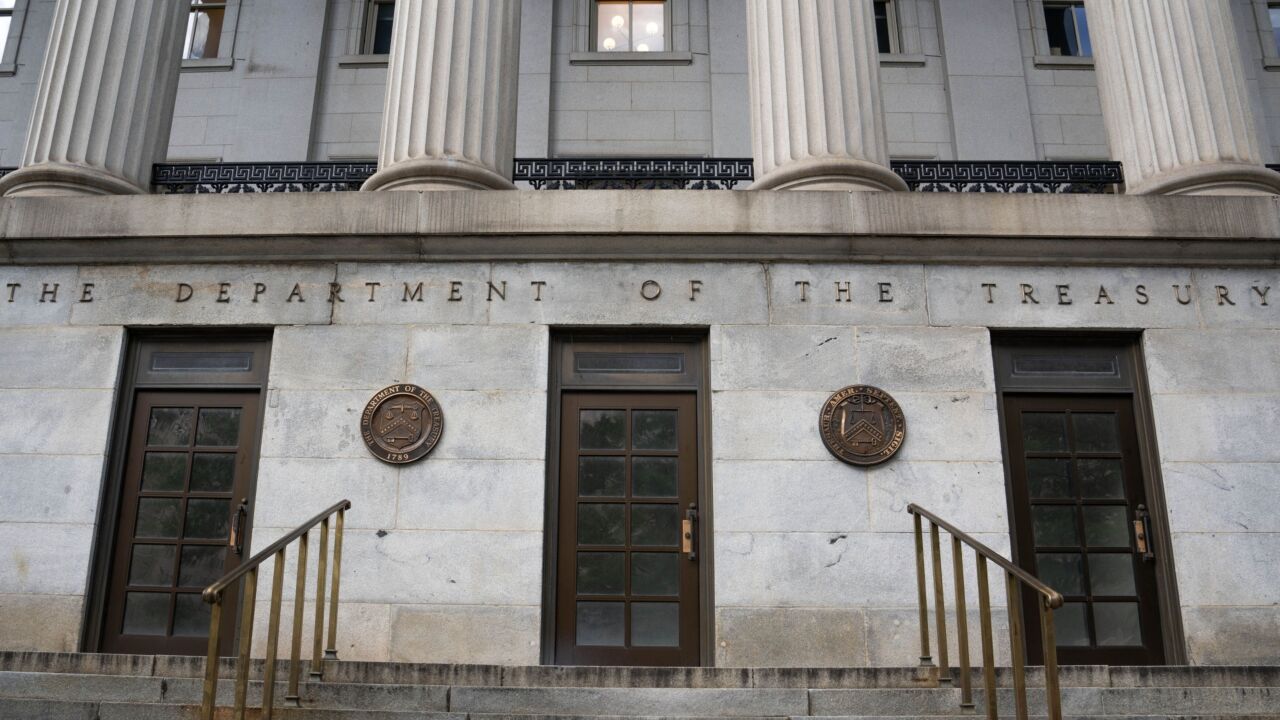
JPMorgan Chase & Co.'s latest client survey showed that outright short positions in US Treasuries rose to the most since the start of the year in the week leading up to April 1.
April 2 -

Harmonizing standards for liquidity coverage ratios and discount window pledges could prevent the type of strains that led to last year's bank failures, according to a new paper whose authors include former Federal Reserve Govs. Dan Tarullo and Jeremy Stein.
March 27 -

D.A. Davidson Director of Wealth Management Research James Ragan will review and analyze the March Federal Open Market Committee meeting.
-

Federal Reserve Chair Jerome Powell said at the Federal Open Market Committee press conference Wednesday that a slower pace of reduction could help the central bank avoid shrinking its holdings further without disrupting the banking system.
March 20 -
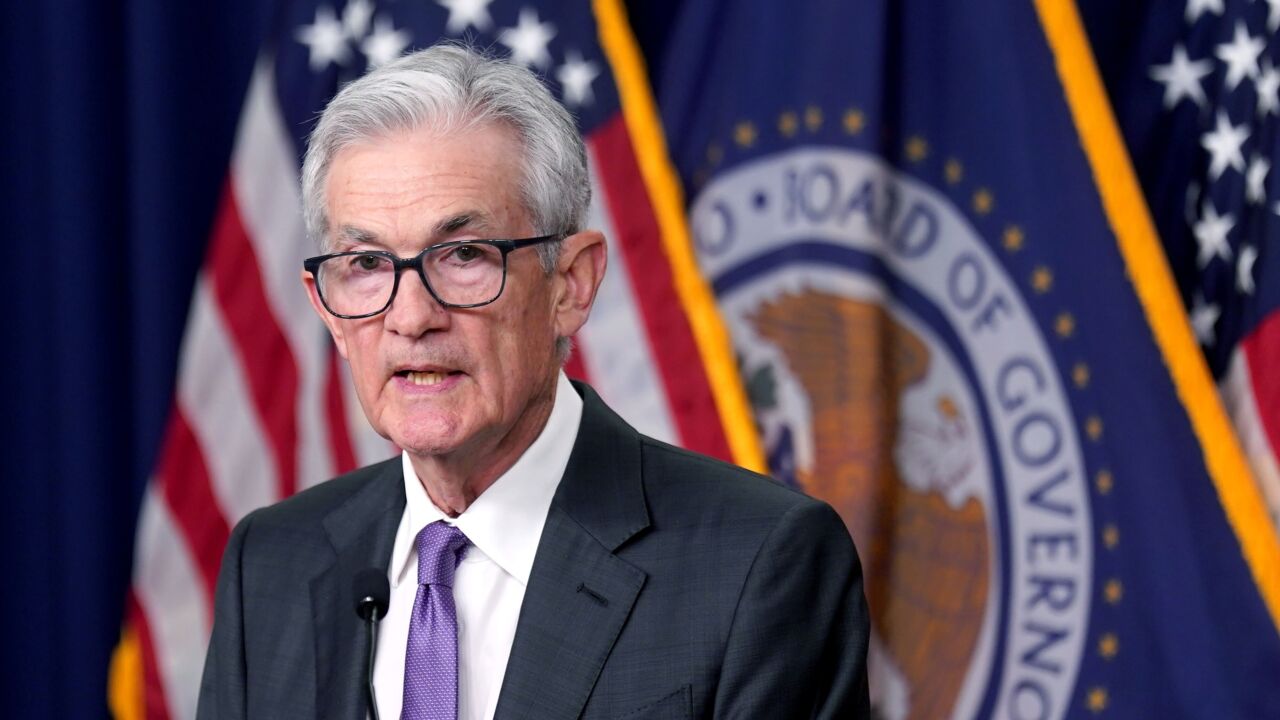
Rates won't fall far enough to drive meaningful mortgage volume gains this year, according to a Fitch Ratings analyst.
March 20 -
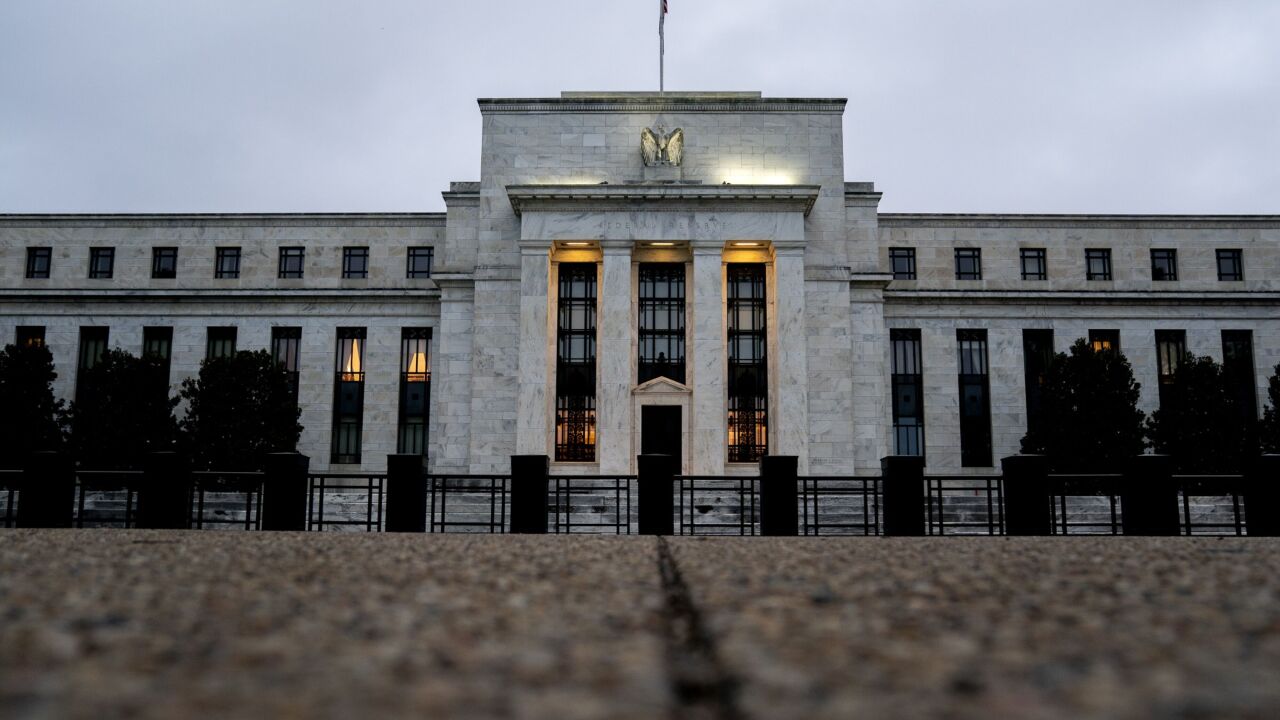
Federal Reserve officials have hammered home the importance of bank readiness to borrow from the discount window. Getting banks to actually do so may require the Fed to make structural improvements to the system.
March 13 -

During a contentious exchange on his second day of congressional testimony this week, the Federal Reserve chair drew a line between the central bank's response to last year's bank failures and its current capital proposal.
March 7 -

Market participants have been so focused on determining when and how much the Federal Reserve will slow its balance-sheet unwind that they haven't even started to consider another wrinkle: the composition of the U.S. central bank's assets.
March 5 -

Until Congress addresses the federal deficit, the tendency will be for higher long-term interest rates regardless of what the Fed does with the short end of the yield curve, writes the Chairman of Whalen Global Advisors.
March 1


