
-
The share of home loans late by more than 30 days or in foreclosure in August inched back down to 2.8% from 3% the previous month, according to CoreLogic.
 October 27
-
However, from a historical perspective, vacant pre-foreclosure homes remain "nearly extinct" heading into the fourth quarter of this year, according to Attom Data Solutions.
October 27
-
The numbers contrast other loan performance statistics that show payments that have been late for less than 90 days have been creeping up a little.
October 20
-
Households with no income or a debt-to-income ratio greater than 55% qualify for reinstatement of their loans plus up to three months of future outlays.
 October 14
-
Compliance is crucial in light of regulatory attention to mortgage companies' ability to provide continuity of care to distressed borrowers in particular.
October 13
-
The difficult job of rebuilding communities pummeled by Hurricane Ian is expected to be made even worse by a problem that's lingered since the early days of the pandemic: snarled supply chains.
September 30
-
Three percent of all mortgages were 30 or more days past due on their scheduled payment or in foreclosure in July.
 September 29
-
The month ended with 54,000 less properties for which the borrower was at least 30 days or more late on their payments, Black Knight said.
September 23
-
The Federal Housing Finance Agency's quarterly report said that the government sponsored enterprises prevented a total of 96,952 foreclosures
September 23
-
The Consumer Financial Protection Bureau's latest request for information floats the idea of an "auto-refi" and potentially extending pandemic-related options like forbearance for permanent industry use.
September 23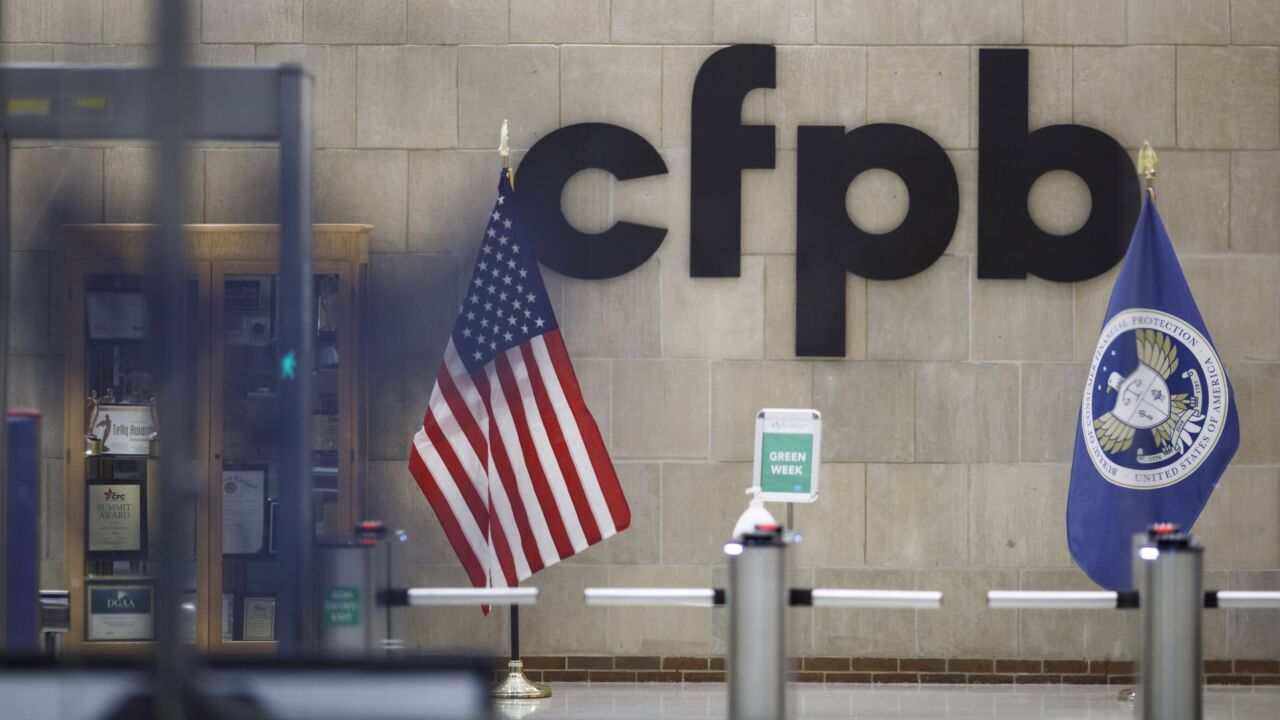
-
And the rate of distress in second-lien home loans ticked up from the previous month, according to Standard & Poor's Dow Jones and Experian.
September 21 -
Payment suspensions on loans securitized through the government-backed market stopped falling in May, plateaued over the summer, and reversed course last month, according to an industry trade association.
September 19
-
Roughly 16% of home loan borrowers likely have education debt, less than one-third of those may be distressed, Mr. Cooper executives told investors at a conference this week.
September 16
-
Still near historic low levels, the share of borrowers entering the early stages of delinquency in June increased 0.1 percentage point.
September 13
-
Completions in August remained far lower than before COVID-19 arrived in the United States but initial actions rose fast enough to potentially meet expectations that they'll normalize in 2023.
September 8
-
A mix of new distress and declining cures drove the uptick, according to dv01.
September 1
-
The number of these mortgage borrowers getting back on track with payments has been roughly halved since March, according to Black Knight's initial take on July numbers.
August 24
-
The latest increase suggests the housing finance industry is half done with its transition from extraordinary pandemic relief back to more normal loan performance.
August 17
-
Pandemic-related payment suspensions dropped notably for loans held in bank portfolios and private-label securities, but numbers for large government-related markets leveled off, according to the Mortgage Bankers Association.
August 15
-
Recent reports highlight the question of how much wage growth can do to sustain loan performance as pandemic relief gets rolled back, consumer costs rise and the housing market cools.
August 12


