
Fraud
Fraud
-
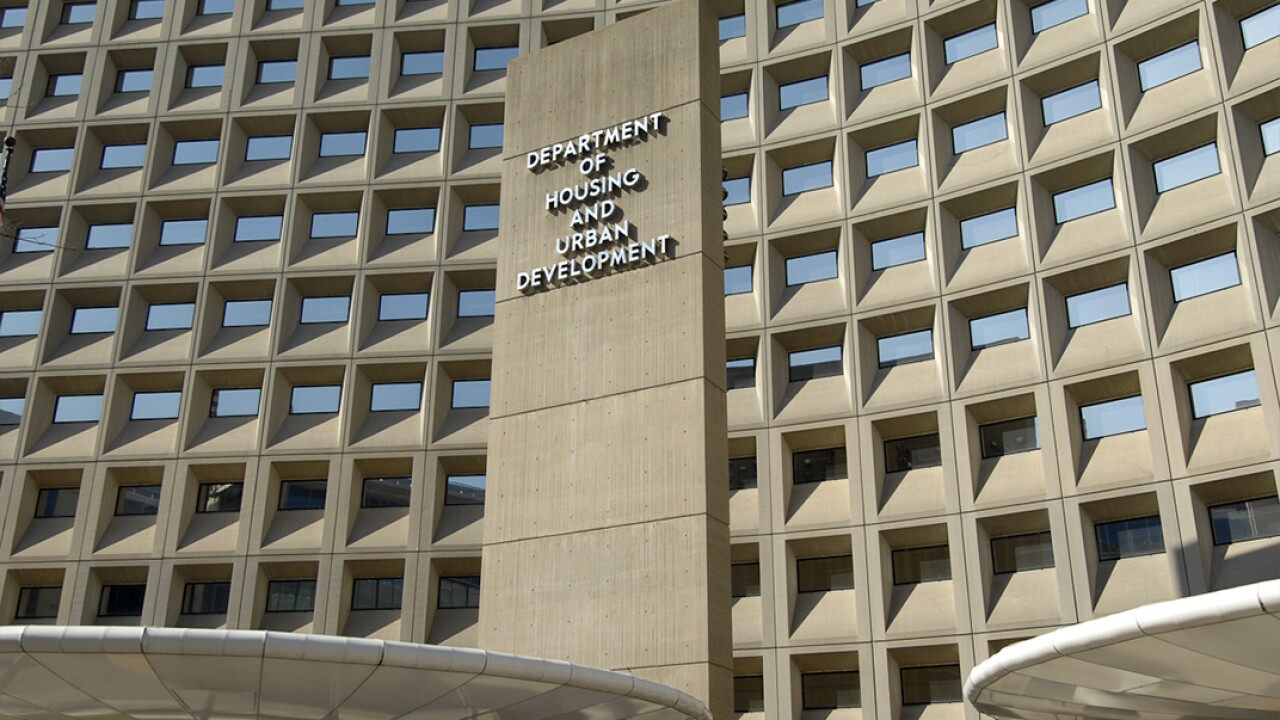
The perpetrator faces up to 150 years in prison, with sentencing scheduled for December.
October 3 -

The Bay Area lender said an unauthorized party was in its servers for over five weeks this spring.
October 3 -

As home prices rise, leading to larger transaction amounts, Certifid doubled the amount of wire fraud insurance coverage provided for transfers it vets.
September 19 -

The scam involves unlicensed lenders offering phony warehouse lines of credit that have led to monetary losses in the thousands and the compromise of confidential borrower information.
August 27 -

Following a breach at National Public Data, the National Consumer Law Center recommended consumers consider a credit freeze, but that could also hinder a mortgage applicant's home purchase depending on where they are in the process, an expert says.
August 21 -

Rule changes would come after a fraud investigation uncovered falsified numbers at a leading finance firm, according to the Wall Street Journal.
August 7 -

The litigation involved more than 100 loans, many insured by the Federal Housing Administration, with volume totaling approximately $55 million.
August 5 -

In a new survey of bank executives from IntraFi, 90% of respondents said instances of check fraud have increased in recent years and half want law enforcement to make check fraud a bigger priority to stop criminals from stealing checks in the mail.
July 29 -

Not every audit will save a dollar, but paying for check-ups will stem further expenses, industry veterans say.
July 23 -

Issues or errors in closing-protection letters appeared in over 45% of loans, a record-high share, according to Fundingshield.
July 22 -

The new law, which went into effect on July 19, also has provisions that deal with heirs property, an issue that clouds ownership.
July 22 -

Banks reported that they have far more protections against fraud in digital channels versus branches or call centers, according to survey research.
July 16 -

Mortgage companies and third-parties they partner with represent potential prime targets for certain criminal schemes due to the frequent transfer of large sums of money, cybersecurity experts say.
July 11 -

The cloud storage provider has notified 165 potentially exposed businesses.
June 27 -

The overall critical defect rate trickled down to 1.53% in the fourth quarter of last year, according to Aces Quality Management.
June 20 -
The Federal Housing Administration floated a mortgagee letter that increases a funding entity's responsibility for the actions of correspondents or brokers.
June 18 -

The title insurance giant was one of several major mortgage players to suffer a hack late last year.
May 31 -

Companies are seeing evidence of income falsification, which previous research shows is the most common type of fraud or defect risk.
May 23 -

Mortgage-related businesses need to use a variety of low-cost tools to mitigate their risks, according to a panel of cyber risk leaders.
May 23 -

The hack that occurred in December affected 27,746 mortgage customers, the South Carolina-based lender said.
May 21


