
Federal Reserve
Federal Reserve
-

Federal Reserve officials are moving closer to when they can start reducing massive support for the U.S. economy.
July 29 -

Consumer price spikes, which in June surged the most since 2008, will likely be a temporary feature of an economy that’s quickly recovering from the pandemic, said Federal Reserve Bank of San Francisco President Mary Daly.
July 14 -

The president has a chance to make his mark on the central bank as the terms of Federal Reserve Chair Jerome Powell and Vice Chair of Supervision Randal Quarles near their end. He will face pressure from progressives to pick reform-minded leaders, while moderate Democrats and Republicans in the narrowly divided Senate might favor reappointing Powell.
July 14 -

Officials responded to a more elevated outlook for prices by penciling in two interest-rate hikes for 2023, according to the median of their projections, while seven of 18 wanted to raise interest rates next year.
July 8 -

Federal Reserve officials who favor prioritizing mortgage-backed securities when they begin to scale back asset purchases have added Governor Christopher Waller to their ranks.
July 1 -

Edward Al-Hussainy, senior interest rate and currency analyst at Columbia Threadneedle, will discuss the economy, inflation and the Federal Reserve.
-

Corresponding Treasury yields seesawed over the past week, as some experts see “transitory” inflation persisting.
June 24 -

Signs from the Fed regarding tapering and interest rate hikes could spell the end to the year’s low rates.
June 17 -

Federal Reserve officials held interest rates near zero while signaling they expect two increases by the end of 2023, pulling forward the date of liftoff and projecting a faster-than-anticipated pace of tightening as the economy recovers.
June 16 -
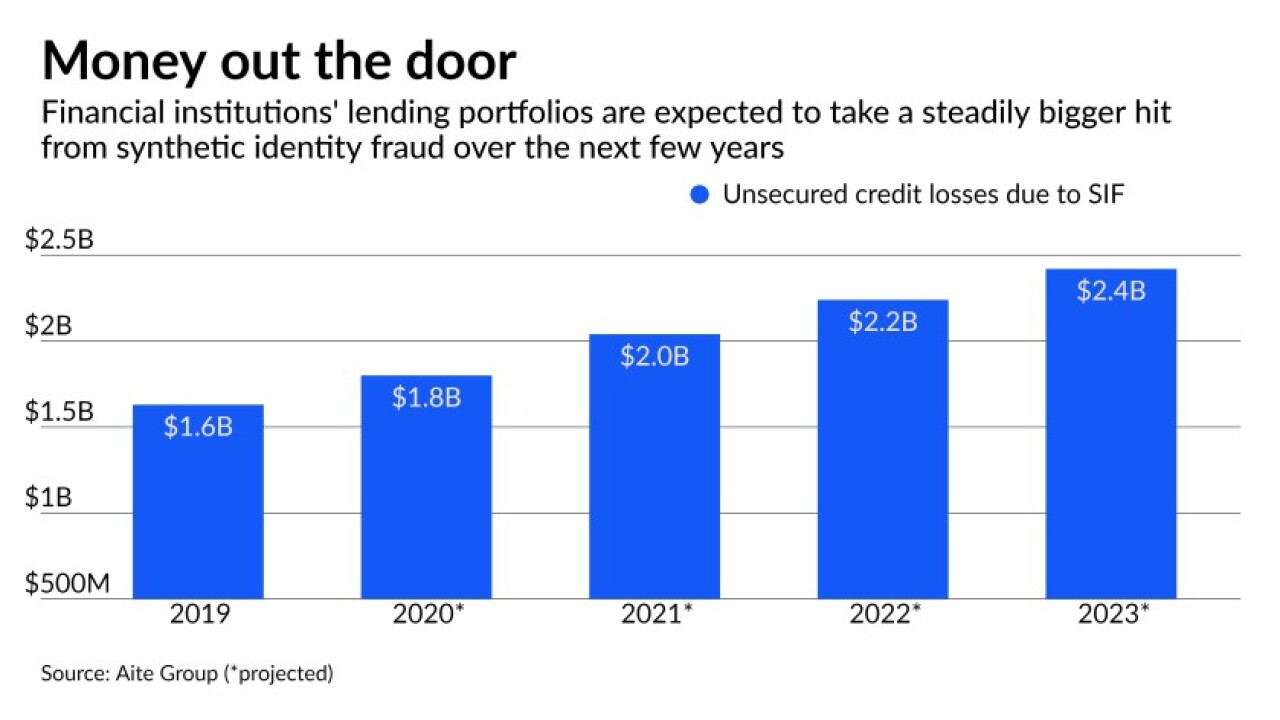
Scams in which a real person’s information is used to create fictitious businesses or individuals have led to $6 billion in credit losses. The Federal Reserve has developed a standard definition for synthetic identity fraud so lenders can distinguish it from traditional identity theft.
June 2 -
 LIBOR
LIBORFederal Reserve Vice Chair Randal Quarles has made it clear that banks failing to make the transition away from the benchmark rate could face supervisory consequences.
June 1 -

A week of light data could possibly lead to further mortgage-rate volatility ahead depending on what monetary officials say in the coming days.
May 20 -

Financial institutions said they needed more time to weigh in on issues such as how they use artificial intelligence for fraud prevention and underwriting.
May 17 -

The head of the Federal Reserve appeared to support Congress’s expanding the scope of the Community Reinvestment Act to unregulated institutions, just as regulators weigh how to modernize the framework for banks.
May 3 -

U.S. personal incomes soared in March by the most in monthly records back to 1946, powered by a third round of pandemic-relief checks that also sparked a sharp gain in spending.
April 30 -

Federal Reserve Chair Jerome Powell is dismissing claims that loose monetary policy has led to rising home values and shrinking inventory and insists that the market is buoyed by creditworthy borrowers and investors.
April 28 -
More than two-thirds of the economists surveyed expect the Federal Open Market Committee will give an early-warning signal of tapering this year, with the largest number — 45% — looking for a nod during the July-September quarter.
April 26 -

The markets and the Fed are not on the same page about the future of inflation. Luke Tilley Senior Vice President and Chief Economist at Wilmington Trust will discuss the economy and inflation.
-

Economists see two quarter-point hikes in 2023. But they also expect the U.S. central bank’s own forecast will show the median Fed official projecting rates staying on hold near zero throughout that year.
March 15 -

Some nominees poised to take their agencies in a new direction appear headed for Senate confirmation while an intraparty squabble has delayed the administration’s choice to lead the Office of the Comptroller of the Currency. Here’s the roster update.
March 9


