
-
The 30-year average passed the 4.5% mark for the first time since January 2019 as the labor market tightened and prices rose.
 March 31
-
Federal Reserve Governor Christopher Waller said longer-run structural issues will continue to put upward pressure on home prices and rents even as the central bank begins a campaign to raise borrowing costs.
March 24
-
Averages rose sharply across the board, as investors focus on the central bank's response to ongoing economic and geopolitical developments.
March 24
-
It was the highest percentage reached in almost three years.
March 17
-
The increase is the first since 2018 and, combined with reductions in the mortgage and Treasury bond portfolio, it could drive 30-year home loan rates to 4.5% by year-end.
 March 16
-
The Federal Open Market Committee is all but certain to raise rates by a quarter percentage point at the conclusion of its two-day policy meeting.
March 16
-
Executives speak on the uncertainty created by the Russia-Ukraine war and Federal Reserve announcements.
March 14
-
The surging volatility in the world’s biggest bond market is challenging traders trying to play both tighter global monetary policy and a war-induced commodity price shock that’s raising the specter of 1970s-style stagflation.
March 14
-
In addition to the Russia-Ukraine conflict, persistent inflationary pressures and expected monetary policy moves are contributing to volatility.
March 10
-
A quarter-percent increase would eliminate more than a million buyers for median-priced homes according to the National Association of Home Builders.
March 8
-
After a tumultuous week of big yield swings and heightened volatility in the U.S. Treasury market, investors are bracing for another hot inflation report, while the war in Ukraine increasingly casts a pall over Europe and the global economy.
March 7
-
The Ukraine-Russia conflict has caused volatility in mortgage rates and that is likely to attract more buyers into a tight housing market, the analysis found.
 March 4
-
The effect of the conflict and upcoming Fed announcements have left much of the industry guessing about what happens next.
March 3
-
The Federal Reserve Chair Jerome Powell said the central bank expects to raise interest rates later this month to tackle hot inflation amid a tight labor market while Russia’s invasion of Ukraine has added uncertainty.
March 2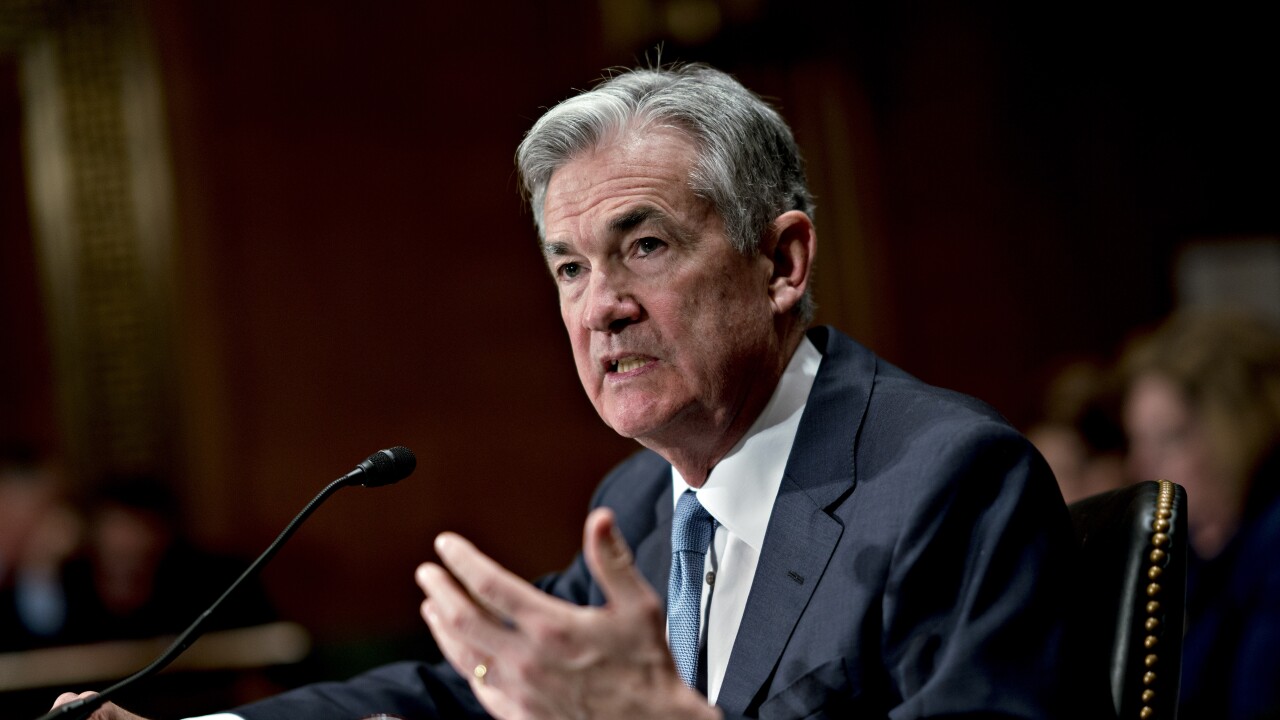
-
Optimal Blue researchers found correlations of 75% or more when looking at numbers of different loan-size cohorts, but the percentages came in lower when state data was analyzed.
February 28
-
Strong economic data was countered by international political developments, sending the 30-year rate lower for the first time in a month.
February 24
-
Federal Reserve Governor Michelle Bowman suggested that a half percentage-point increase in interest rates could be on the table next month if incoming readings on inflation come in too high.
February 21
-
The 30-year average increased by 23 basis points on inflation, geopolitical news.
February 17
-
Minutes of the Jan. 25-26 Federal Open Market Committee meeting, released Wednesday, “[tell] us that they will raise the fed funds rate in March, and that a 50 basis point rate hike is in play,” said Gus Faucher, chief economist for PNC Financial Services Group.
February 17
-
Federal Reserve Bank of St. Louis President James Bullard said he supports raising interest rates by a full percentage point by the start of July — including the first half-point hike since 2000 — in response to the hottest inflation in four decades.
February 11


