
-
A majority of the justices concluded that the law establishing the Federal Housing Finance Agency violated the Constitution when it said a president may only remove the agency's chief "for cause."
June 23
-
A 2019 decision by Amy Coney Barrett, then a 7th Circuit judge, cited an earlier Supreme Court ruling suggesting a high bar for plaintiffs to claim harm. But other jurists have favored a less onerous standard.
October 27
-
Arizent's latest survey finds that respondents are sharply divided on key issues regarding the upcoming election.
September 25
-
Kathy Kraninger told the House Financial Services Committee that she supports proposed action to revamp the bureau's leadership framework following a major Supreme Court decision.
July 30
-
A recent ruling declaring the Consumer Financial Protection Bureau’s structure unconstitutional signaled that a similar outcome awaits the Federal Housing Finance Agency. But the FHFA will argue in a new case that it does not deserve the same fate.
July 14
-
B. Riley FBR raised its ratings for both Fannie Mae and Freddie Mac to sell from neutral on the possibility the net worth sweep is declared illegal.
July 13
-
The high court ruled June 29 that the structure of the Consumer Financial Protection Bureau violated the separation of powers.
July 9
-
The agency sought to provide certainty that most actions from the past eight years remain in effect despite the ruling that the bureau's leadership structure is unconstitutional.
July 7
-
Legal experts say it is now more likely that the Supreme Court will strike down the single-director governance framework for Fannie Mae and Freddie Mac’s regulator.
July 2
-
The Supreme Court threw out a key statutory provision concerning the agency’s leadership structure, but the presidential election and possible legislative reforms could bring about more changes to the embattled bureau.
June 29
-
In a split 5-4 decision, the justices gave presidents new power to remove the agency's head at will. The ruling could have far-reaching implications for other regulators with single directors.
June 29
-
With just 13 decisions remaining on the docket this session, the high court's highly anticipated ruling in a case challenging the agency's leadership structure could come as early as next Monday.
June 25 -
The court’s liberal bloc and Chief Justice John Roberts, who holds a crucial swing vote, appeared reluctant to remove a contentious provision that limits a president’s ability to fire a sitting director of the bureau.
March 3
-
John Roberts could play a familiar role as the swing vote in determining whether the Supreme Court curbs the consumer bureau’s power.
March 2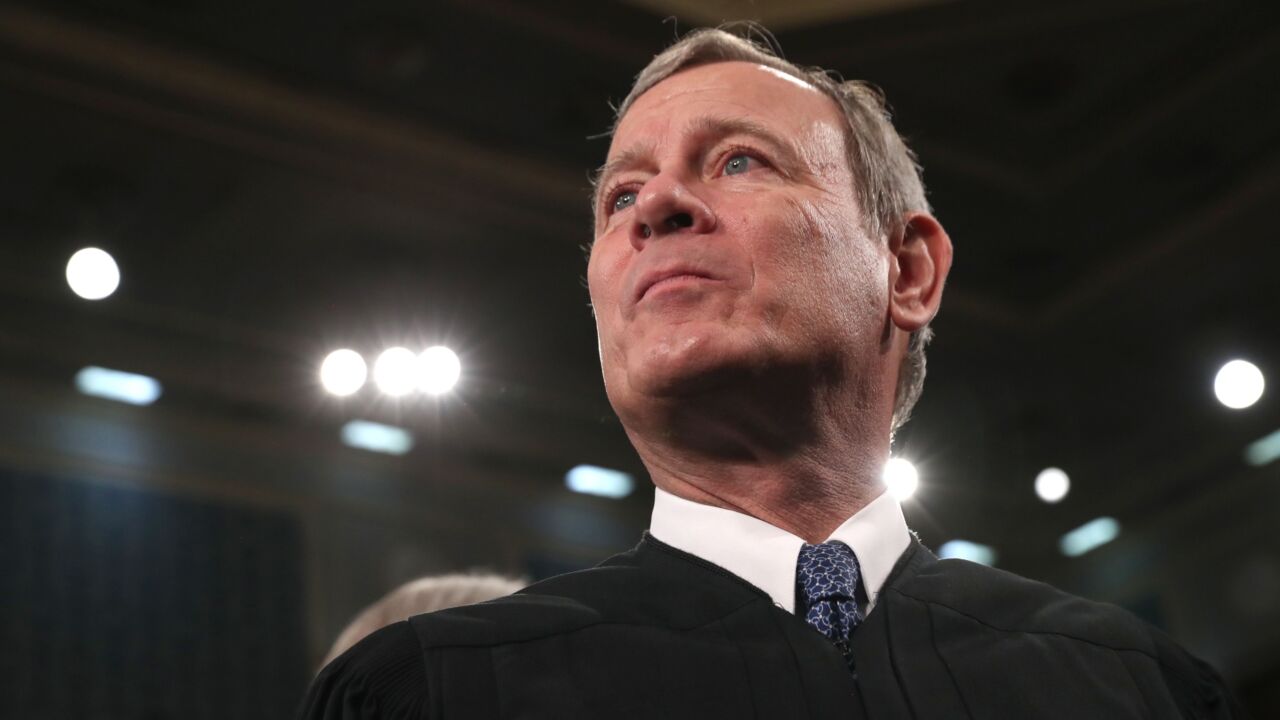
-
Democratic lawmakers, state attorneys general and others filed briefs with the Supreme Court rebutting claims that the agency’s leadership structure is unconstitutional.
January 24
-
The Supreme Court appointed Paul Clement to represent the agency after the bureau’s current director questioned its constitutionality.
January 15
-
The case before the court deals mainly with a statutory clause limiting the president’s ability to fire a CFPB director. But briefs filed with the court say striking that provision does not fully solve the bureau’s constitutional problems.
January 3 -
The high court scheduled oral arguments on March 3 in the lawsuit dealing with a president's ability to fire the head of the Consumer Financial Protection Bureau.
November 26
-
The Supreme Court is ready to weigh in on the CFPB’s leadership structure, but both agencies are facing similar constitutional challenges, suggesting a broader impact of any decision.
November 4
-
A lower court “erred” when it sided with Fannie Mae and Freddie Mac’s investors, the Justice Department said in its petition to the high court.
October 30


