
-
The number of grievances about evictions and federal student loans declined between January 2020 and May 2021. Nonetheless, the Consumer Financial Protection Bureau warned financial firms that poor customer service can undermine government efforts to provide aid.
 July 2
-
Although activity crept down in May from April, it posted “dramatic” increases from the year before, according to Attom Data Solutions.
 June 15
-
Most of the activity covered vacant and abandoned properties or commercial loans, according to Attom Data Solutions.
May 12
-
Servicers of loans not related to the government most often capitalized missed payments and converted them into a deferred, non-amortizing balance, said Vadim Verkhoglyad of dv01.
 April 12
-
The development bodes well for outcomes on distressed loans backed by major government-related mortgage investors Fannie Mae and Freddie Mac.
 March 26
-
The agency will allow an additional three months of forbearance for multifamily property loans backed by Fannie Mae and Freddie Mac, as long as tenant protections are offered.
March 4 -
The agency will allow an additional three months of forbearance for loans backed by Fannie Mae and Freddie Mac, giving homeowners up to 18 months to suspend payments due to the pandemic.
February 25
-
Both in terms of interest expense and the sheer cost of dealing with consumers, the mortgage industry is out hundreds of millions of dollars due to this unfunded mandate from Congress, analyst Chris Whalen says.
February 16 Whalen Global Advisors LLC
 -
The CARES Act-related forbearances could be “lulling us into a false sense of security” as 12-month expirations approach, according to Black Knight.
February 1
-
The uptick marks only the third increase in consecutive weeks since reaching a peak in May, according to Black Knight.
January 29
-
The uptick follows the pandemic-era trend of midmonth increases in active plans, according to Black Knight.
January 22
-
A slowdown in the increase of loans exiting forbearance “implies that those who were able to absorb the shock of the pandemic and get back on their feet, may have already done so,” said Andy Walden, Black Knight economist.
January 8
-
The forbearance rate rose behind slowed economic recovery, according to the Mortgage Bankers Association.
December 21
-
The new bill ordering $600 stimulus checks and $25 billion in emergency rental assistance won't be enough to help millions of Americans struggling to make housing payments, according to industry watchers.
December 21
-
The Federal Reserve has already agreed to shut down emergency credit programs funded by the Coronavirus Aid, Relief and Economic Security Act, but Sen. Pat Toomey, R-Pa., and others want Congress to ensure the central bank cannot revive them.
 December 17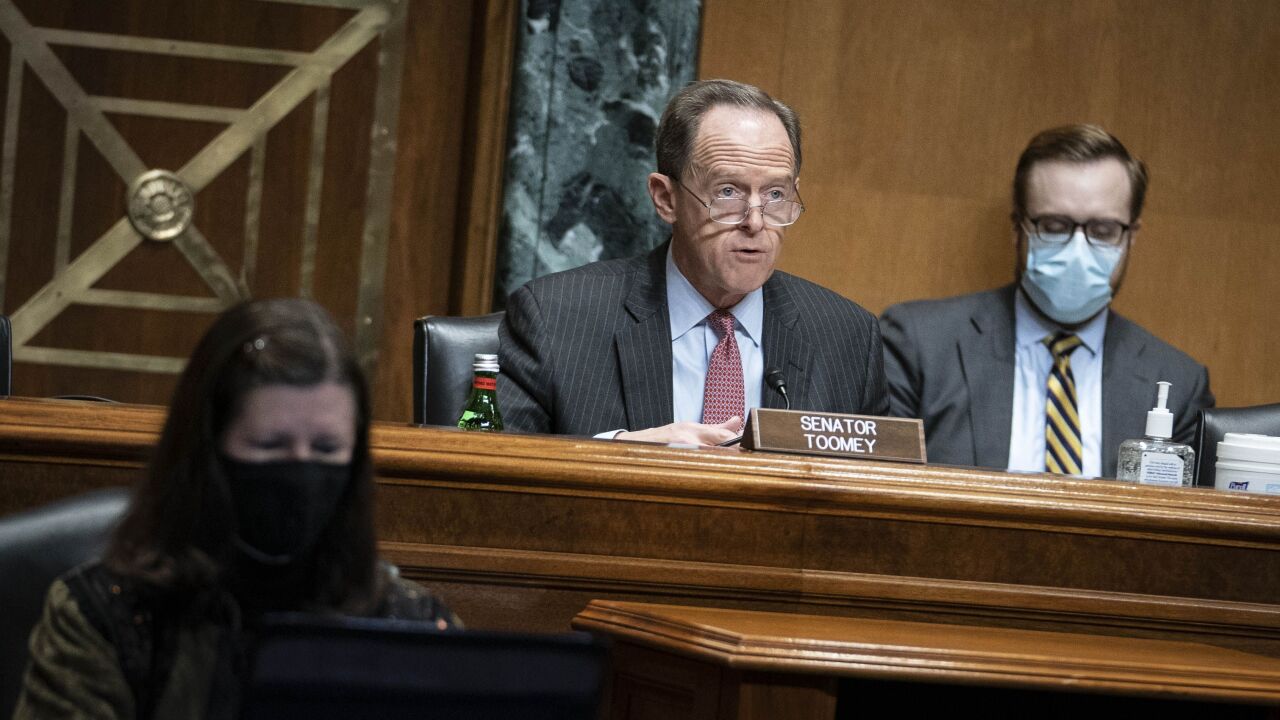
-
The forbearance rate continued its improvement, but the surge of COVID-19 cases could lead to more borrowers needing mortgage relief, according to the Mortgage Bankers Association.
December 14
-
The largest concerns are with pandemic risk and defaults, along with business resilience and adaptability, according to a Wolters Kluwer survey.
December 14
-
Borrowers who exit CARES Act-related forbearance in the spring and have stacks of other bills to attend to may be in search of liquidity via such products, the company predicts.
December 10
-
The surge of COVID-19 cases slowed economic recovery and hampered improvements in the forbearance rate, according to the Mortgage Bankers Association.
December 7
-
Tuesday's hearing on the CARES Act was dominated by bickering over Treasury's decision to shut down the Fed's emergency lending facilities, drowning out pleas from some lawmakers for more aid.
December 1


