
-
In the midst of the coronavirus pandemic, San Antonio's housing market is booming.
December 31
-
From the CARES Act’s effects to the spate of nonbanks going public, these developments stand to shape how the playing field looks in 2021.
December 31
-
The Federal Reserve is credited with containing damage to the financial system from the coronavirus pandemic, but experts say the limits of the central bank’s power to prop up the economy will likely become more apparent in the new year.
December 28
-
The forbearance rate rose behind slowed economic recovery, according to the Mortgage Bankers Association.
 December 21
-
The new bill ordering $600 stimulus checks and $25 billion in emergency rental assistance won't be enough to help millions of Americans struggling to make housing payments, according to industry watchers.
December 21
-
The company expects a good year ahead for mortgage insurers, assuming that rising employment, higher home prices and payment timing deferrals will help them to mitigate risk.
 December 18
-
Bank and credit union groups are pushing to include the industry’s front-line workers in the next priority group, but even as a recommendation is coming soon from a CDC advisory panel, the decision ultimately will be made state by state.
December 18
-
With infection rates rising and unemployment claims increasing since Thanksgiving, mortgages in coronavirus-related forbearance rose by 37,000 last week, according to Black Knight.
December 18
-
The Federal Reserve has already agreed to shut down emergency credit programs funded by the Coronavirus Aid, Relief and Economic Security Act, but Sen. Pat Toomey, R-Pa., and others want Congress to ensure the central bank cannot revive them.
 December 17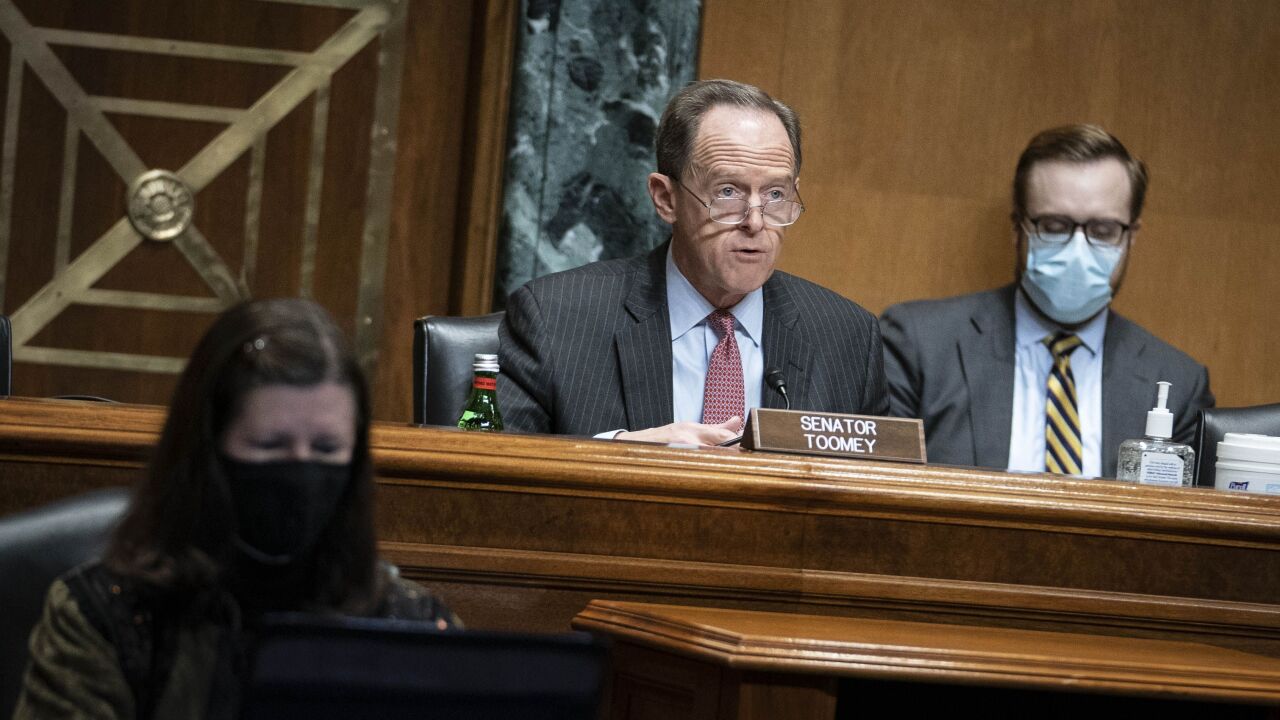
-
Noninterest income has bolstered profits this year. But its growth is expected to slow over the next two years, making for a gloomy earnings outlook unless vaccine distributions and the economic recovery are relatively swift.
 December 17
-
The percentage of seriously delinquent loans hit 5.8% in the third quarter, up from 1.5% a year earlier but down from 6.8% in the second quarter.
 December 16
-
Economic instability during the quarter drove the increase in findings regarding income and employment, Aces Quality Management reported.
December 16
-
The forbearance rate continued its improvement, but the surge of COVID-19 cases could lead to more borrowers needing mortgage relief, according to the Mortgage Bankers Association.
December 14
-
While 12,000 mortgages exited forbearance, the most borrowers entered forbearance protection in a week since early September, according to Black Knight.
December 11
-
The Biden administration could curtail federal support for farmers, even with bankruptcies and requests for loan workouts on the rise. Banks are hoping that increases in crop prices and exports to China could help avert a credit crisis.
December 10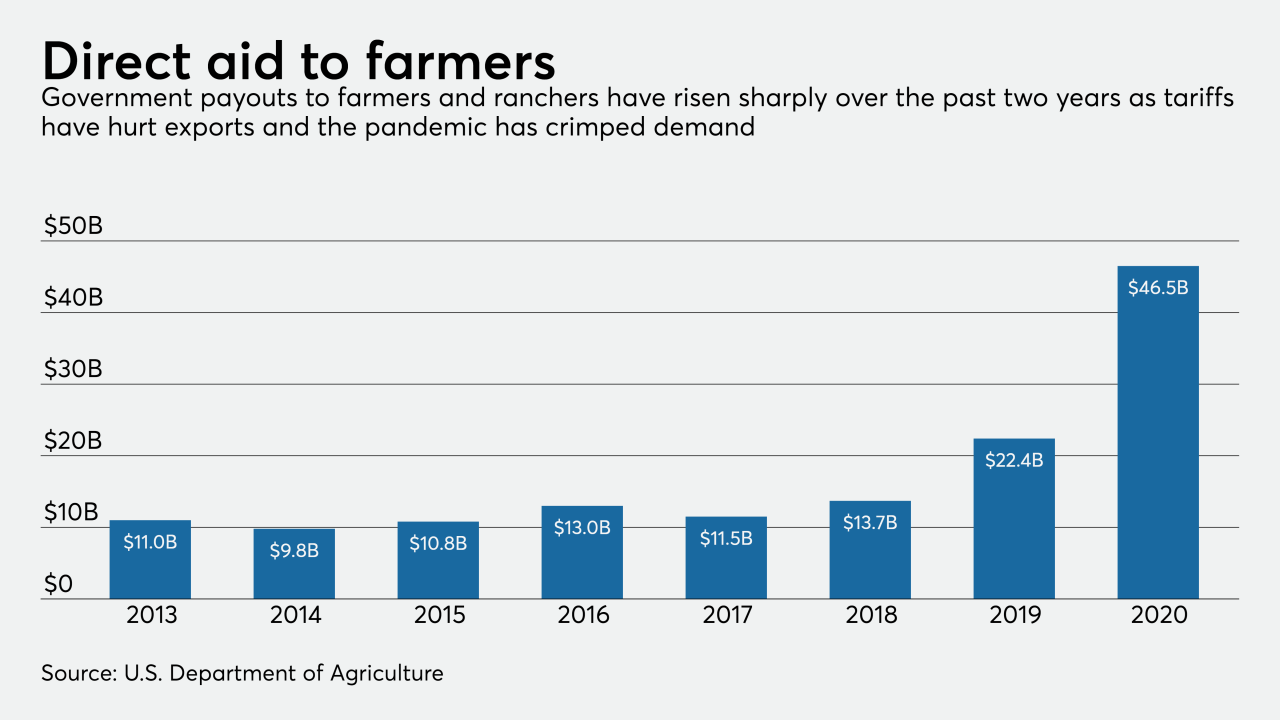
-
The ongoing coronavirus pandemic has done nothing to quell the upward trajectory of home prices in Southern Nevada.
December 10
-
But existing deals are likely to experience issues resulting from higher defaults, faster prepayment speeds.
December 9
-
The COVID-19 pandemic has radically changed consumers’ attitudes and behaviors toward money and payments. What has changed?
December 8
-
The surge of COVID-19 cases slowed economic recovery and hampered improvements in the forbearance rate, according to the Mortgage Bankers Association.
December 7
-
Lower cure rates and possible rises in foreclosures and claims could force these companies to raise capital next year, Fitch Ratings said.
December 4


